Using Curtain Wall Glass to Maximize Views and Natural Light in Modern Architecture
2025-12-29

Using Curtain Wall Glass to Maximize Views and Natural Light in Modern Architecture
Introduction to Curtain Wall Glass
In the world of **modern architecture**, curtain wall glass has emerged as a pivotal element. This innovative building material not only enhances the **aesthetic appeal** of structures but also plays a critical role in maximizing both views and natural light within interior spac
Using Curtain Wall Glass to Maximize Views and Natural Light in Modern Architecture
Introduction to Curtain Wall Glass
In the world of **modern architecture**, curtain wall glass has emerged as a pivotal element. This innovative building material not only enhances the **aesthetic appeal** of structures but also plays a critical role in maximizing both views and natural light within interior spaces. By utilizing curtain wall systems, architects can create open, airy environments that foster a deeper connection between the indoors and the outdoors.
The Advantages of Curtain Wall Glass
The incorporation of curtain wall glass brings with it a multitude of advantages that extend beyond mere aesthetics. Below, we delve into the primary benefits that make curtain wall systems a popular choice among architects and builders alike.
1. Enhanced Natural Lighting
One of the foremost benefits of using curtain wall glass is its ability to flood interiors with natural light. This not only reduces reliance on artificial lighting, leading to lower energy costs, but also creates a more inviting atmosphere. Studies have shown that spaces filled with natural light can improve mood, productivity, and overall well-being. The transparent nature of glass maximizes daylight penetration, ensuring that every corner of a room benefits from sunlight.
2. Unobstructed Views
Curtain wall glass enables uninterrupted views of the surrounding landscape. Whether it’s a city skyline or natural beauty, occupants can enjoy these views without hindrance. This integration of the external environment enhances the overall experience of the space, making it more desirable for both residents and visitors.
3. Improved Energy Efficiency
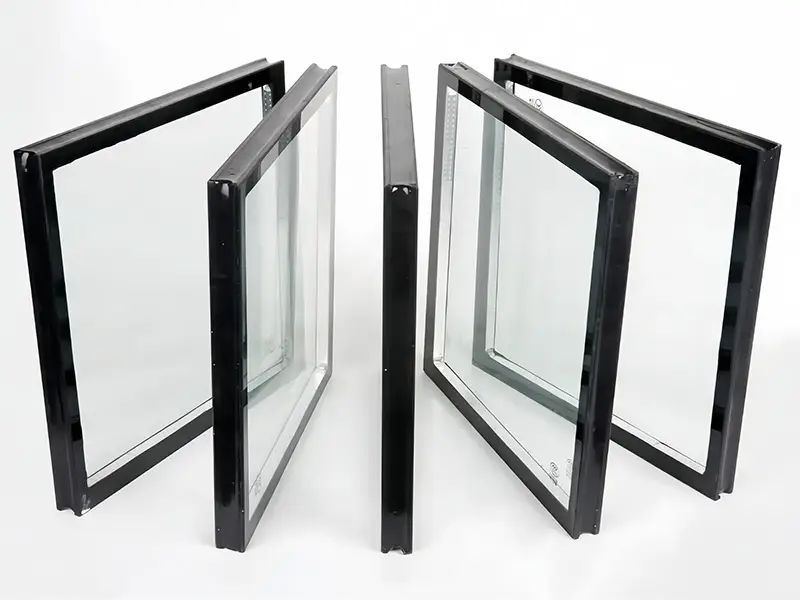
Modern advancements in **glass technology** have led to the development of energy-efficient curtain wall systems. These systems often utilize double or triple glazing, which minimizes heat transfer and enhances insulation. By reducing energy consumption for heating and cooling, buildings can achieve significant cost savings while also contributing to sustainability efforts.
4. Versatility in Design
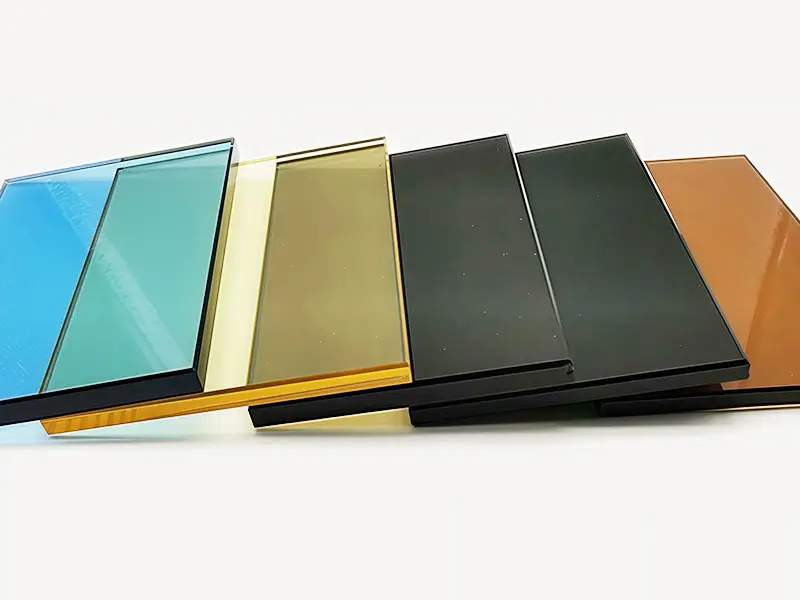
Curtain wall glass offers remarkable versatility in architectural design. Available in various configurations, finishes, and colors, it can be tailored to complement a range of architectural styles. This adaptability allows architects to push the boundaries of creativity and innovation in their designs, resulting in stunning, unique structures.
Applications of Curtain Wall Glass in Architecture
The versatility of curtain wall glass allows for its application in various types of buildings, including commercial, residential, and institutional structures. Below are some specific applications that illustrate its effectiveness:
1. Commercial Buildings
In the realm of commercial architecture, curtain wall glass is frequently used in **office buildings** and skyscrapers. These structures benefit from the glass's ability to provide expansive views, enhancing the work environment for employees. Moreover, the modern facade created by curtain wall systems helps businesses project a contemporary and professional image.
2. Residential Homes
The use of curtain wall glass is not limited to commercial applications. In residential architecture, it allows homeowners to enjoy panoramic views of their surroundings while creating bright and airy living spaces. Featuring large glass panels, these homes can blend indoor and outdoor living, enriching the homeowner's experience.
3. Educational Institutions
Educational institutions are increasingly integrating curtain wall glass into their designs. Such structures create engaging learning environments that inspire creativity and focus. By utilizing natural light, schools and universities can foster a positive atmosphere conducive to education.
Innovative Techniques for Maximizing Natural Light
While curtain wall glass inherently allows for natural light infiltration, several innovative techniques can further enhance this aspect. Implementing these strategies can result in an even brighter and more welcoming atmosphere.
1. Strategic Orientation
The orientation of the building plays a crucial role in maximizing natural light. By strategically positioning the curtain wall glass to face the sun's path, architects can optimize light exposure during peak hours. This can significantly enhance the indoor lighting experience.
2. Use of Light Shelves
Light shelves are architectural features designed to reflect natural light deeper into the building. By placing light shelves above windows or in conjunction with curtain wall systems, light can be redirected into the interior spaces, reducing the need for artificial lighting and enhancing comfort.
3. Translucent Glass Panels
Incorporating **translucent glass panels** into curtain wall designs can further maximize natural light while maintaining privacy. These panels allow diffused sunlight to enter, creating a softer lighting effect that can be particularly beneficial in spaces such as bathrooms or conference rooms.
4. Integration with Greenery
Integrating greenery or vertical gardens with curtain wall glazing can enhance both aesthetics and light quality. Plants can filter light in a way that softens the intensity, creating a calming atmosphere while also contributing to indoor air quality.
Challenges and Considerations
While the benefits of curtain wall glass are substantial, there are also challenges and considerations to keep in mind when designing and constructing buildings with this material.
1. Structural Integrity
Ensuring the structural integrity of curtain wall systems is paramount. Proper engineering must be conducted to support the weight of the glass and withstand external forces such as wind and seismic activity. Collaborating closely with structural engineers is essential to ensure safety and durability.
2. Thermal Performance
Although modern curtain wall systems are designed for energy efficiency, thermal performance can be a concern. Careful selection of glazing types and framing materials is crucial to minimize heat gain during summer months and heat loss in winter.
3. Maintenance and Cleaning
The cleaning and maintenance of curtain wall glass can pose challenges, particularly in high-rise buildings. Regular maintenance is necessary to ensure that the glass remains clear and free of dirt and grime, preserving both aesthetics and functionality.
Conclusion: The Future of Curtain Wall Glass in Architecture
Curtain wall glass serves as a powerful tool in modern architecture, enabling designers to maximize views and natural light while creating stunning, functional spaces. As advancements in glass technology continue to evolve, we can expect even greater innovations that enhance energy efficiency and aesthetic appeal. Embracing curtain wall systems not only elevates architectural design but also contributes to improving the overall quality of life within our built environments.
FAQs
1. What is curtain wall glass?
Curtain wall glass is a non-structural cladding system typically made of glass and aluminum, designed to protect buildings while allowing natural light and stunning views.
2. How does curtain wall glass improve energy efficiency?
Curtain wall glass systems often utilize insulated glazing and advanced coatings that reduce heat transfer, leading to lower energy costs for heating and cooling.
3. Can curtain wall glass be used in residential buildings?
Yes, curtain wall glass is increasingly popular in residential architecture, allowing homeowners to enjoy expansive views and natural light.
4. What maintenance is required for curtain wall glass?
Regular cleaning and inspections are essential to maintain the appearance and performance of curtain wall glass, particularly in high-rise buildings.
5. Are there any design limitations with curtain wall glass?
While curtain wall glass offers versatility, considerations must be made regarding structural support, thermal performance, and maintenance during the design phase.
Incorporating curtain wall glass into architectural designs not only enhances the physical space but also enriches the lives of those who inhabit it. Embracing this innovative material can lead to striking results that redefine modern living.
TAG:
Related Posts

Exploring the Unique Qualities of Oil Jade Frosted Glass in Architectural Design
Oil jade frosted glass is becoming increasingly popular in the realm of architectural design and decorative materials. This type of glass is characterized by its unique frosted finish that mimics the serene and elegant appearance of jade, providing a sophisticated touch to any space. Architects and designers are drawn to oil jade frosted glass due to its versatility and ability to blend seamlessly

MESSAGES
We will contact you within one working day. Please pay attention to your email.