

Laminated Glass - Safe, Silent, Explosion proof
product overview
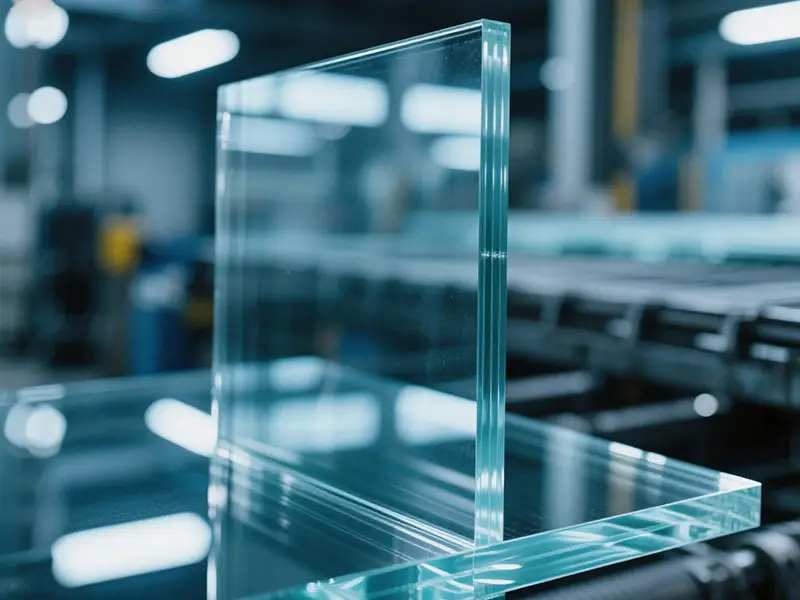
Laminated glass is a composite glass made by sandwiching one or more layers of polyvinyl butyral (PVB) or ionic intermediate layer (SGP) between two or more pieces of glass, and bonding them together under high temperature and high pressure. Even if shattered, the fragments still firmly adhere to the adhesive layer, avoiding splashing and injuring people, and possessing safety, sound insulation, and impact resistance.
Core advantages
1. Safety and explosion prevention
Strong impact resistance: When subjected to external impact, glass fragments adhere to the adhesive layer and will not fall off, protecting personal safety.
Anti penetration: The PVB/SGP layer has high toughness and can resist violent damage or accidental impacts (such as typhoons and earthquakes).
2. Excellent sound insulation
Noise reduction of over 35dB: The intermediate adhesive layer effectively absorbs sound waves and vibrations, making it suitable for noise sensitive areas such as street facing buildings, airports, and concert halls.
3. UV blocking
Block 99% UV rays: protect indoor furniture and flooring from fading and aging.
4. Multiple design options available
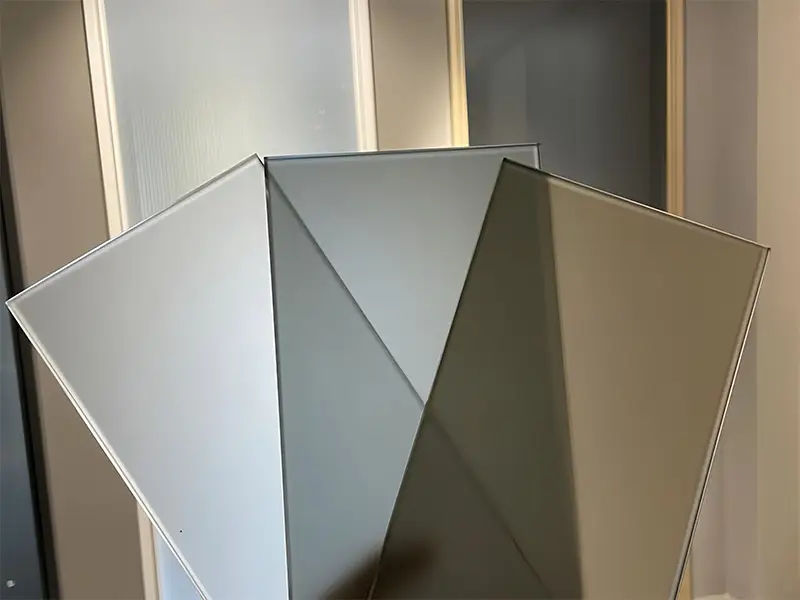
Transparent/colored/frosted/patterned interlayer: meets decorative needs while balancing privacy and aesthetics.
Can be combined with other processes, such as tempered laminated (more sturdy), hollow laminated (upgraded insulation and sound insulation).
Technical Parameter
|
project |
Parameter details |
|
Thickness |
5.38mm~19.38 (flexible combination of glass and adhesive layer) |
|
transmittance |
≥ 85% (transparent version) |
|
Adhesive layer material |
PVB (Standard)/SGP (High Strength) |
|
Standards |
National standard GB 15763.3, European standard EN ISO 12543 |
Application scenarios
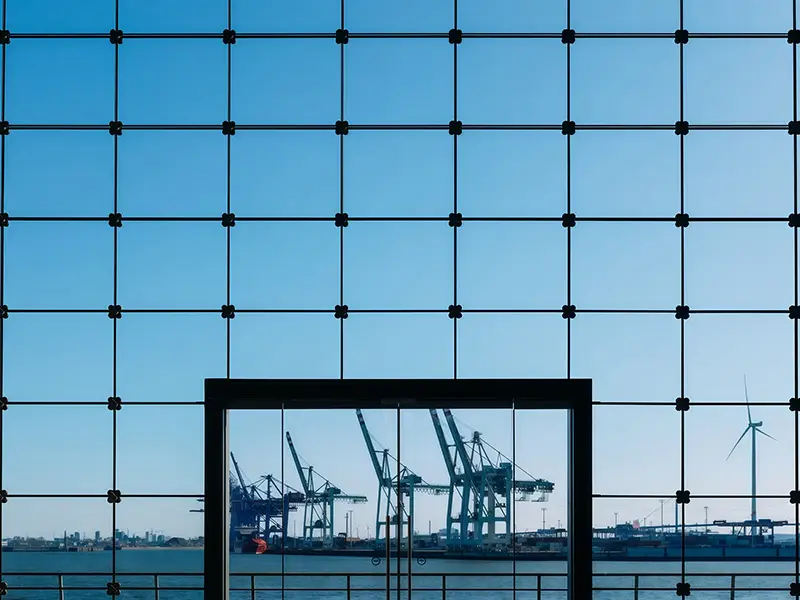
Building doors and windows: high-rise buildings, sunrooms, curtain walls (fall prevention safety requirements).
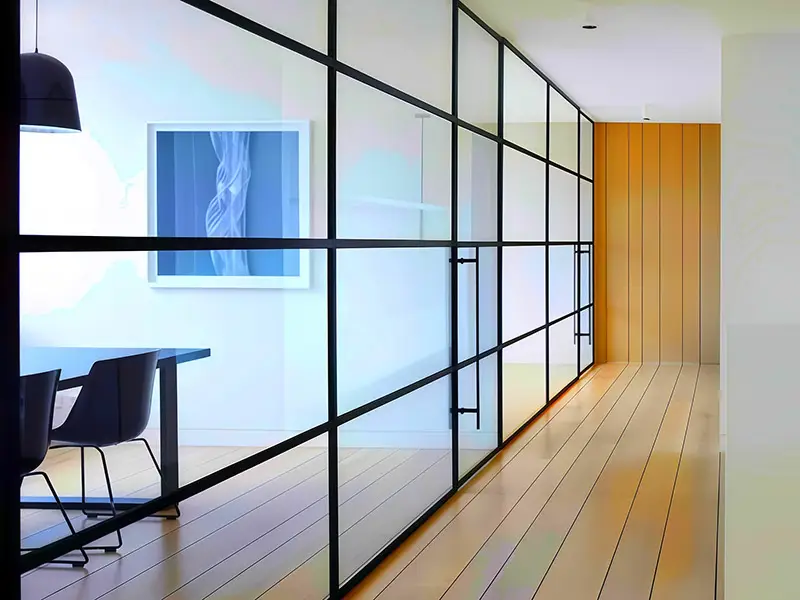
Home design: shower room, stair railing, children's room partition.
Commercial space: mall skylights, hotel soundproof windows, bank explosion-proof glass.
Transportation sector: car windshields, subway station screens.
Why choose our laminated glass?
High quality raw materials: using international brand PVB film (such as DuPont) ™), No bubbles, no yellowing.
Customized service: supports personalized customization of size, shape, and color.
Professional certification: Passed SGS impact resistance test and UV aging test.
Frequently asked questions
Which is safer, laminated glass or tempered glass?
The two are often used in combination (such as tempered laminated glass), but when compared separately: laminated glass is resistant to debris splashing, while tempered glass has stronger resistance to temperature differences.
Can laminated glass prevent theft?
→ Can delay intrusion time, with better anti-theft frame effect, but not professional riot control level (needs to be upgraded to explosion-proof laminated glass).
Get exclusive solutions now
Contact customer service for free quotes and samples!
Promise: 3-year warranty and lifetime maintenance.
3C security laminated glass is rapidly gaining popularity in modern architecture, commercial construction, and high-end interior projects due to its outstanding combination of safety, durability, and elegant appearance. As global demand for safer and more energy-efficient building materials continues to rise, laminated glass products certified under the 3C standard have become an important solution for architects, developers, and contractors seeking reliable protection and premium design performance.
Manufactured using multiple layers of high-quality glass bonded together with strong interlayer materials such as PVB or SGP film, 3C security laminated glass provides exceptional resistance to impact, pressure, and accidental breakage. Unlike ordinary glass, the laminated structure prevents shattered fragments from scattering when damaged. Even after heavy impact, the broken pieces remain attached to the interlayer, greatly reducing injury risks and improving overall building safety. This feature makes the product highly suitable for shopping malls, office buildings, schools, hospitals, airports, hotels, banks, and residential properties where safety standards are especially important.
The 3C certification demonstrates compliance with strict manufacturing, quality control, and safety regulations. Products that meet these standards are recognized for stable performance, reliable durability, and consistent production quality. As construction projects increasingly emphasize certified materials, 3C laminated glass has become a preferred choice for large-scale infrastructure and modern urban development projects.
In addition to security advantages, laminated glass also offers excellent sound insulation performance. The interlayer effectively reduces external noise transmission, creating quieter and more comfortable indoor environments. This benefit is particularly valuable for buildings located in busy city centers, transportation hubs, or commercial districts. Furthermore, the glass can block a significant amount of ultraviolet radiation, helping protect furniture, flooring, and interior decorations from fading caused by prolonged sun exposure.
Modern architectural trends also favor large glass surfaces and open visual spaces. 3C security laminated glass supports these trends by combining transparency with structural strength. Designers can use it in curtain walls, skylights, glass railings, partitions, facades, staircases, and balcony systems while maintaining both aesthetics and safety. Customized processing options, including tinted colors, frosted surfaces, digital printing, curved glass, and decorative laminations, allow architects to create unique visual effects for different projects.
Energy efficiency is another important advantage. Laminated glass can be combined with insulating glass structures and Low-E coatings to improve thermal performance and reduce energy consumption in buildings. By helping regulate indoor temperatures and reducing heating and cooling costs, the product supports sustainable construction goals and environmentally friendly building practices.
Manufacturers today also provide flexible customization services to meet diverse market requirements. Different thicknesses, dimensions, edge treatments, drilling options, and performance specifications can be tailored according to project needs. Whether used for residential renovations, commercial facades, luxury interiors, or public infrastructure, 3C security laminated glass delivers reliable long-term performance under demanding conditions.
As the construction industry continues to prioritize safety, sustainability, and modern aesthetics, the market demand for high-performance laminated glass solutions is expected to grow steadily. With certified quality, advanced processing technology, and versatile design capabilities, 3C security laminated glass represents an ideal combination of protection, functionality, and contemporary architectural beauty for future building projects worldwide.
Laminated glass
Share to:
Category:
GLASS ENCYCLOPEDIA
Can frosted glass be cleaned with wet wipes?
→ Okay! Recommend using glass cleaner and fish scale cloth to avoid scratching the matte layer with hard objects.
How to choose between single-sided frosted and double-sided frosted?
→Single sided frosted (smooth surface facing inward) is easier to clean; Double sided frosted provides stronger privacy.
Will frosted glass reduce light transmittance?
→ It will decrease by about 20% -40%, and the ultra white glass substrate can reduce the loss of light transmission.
What are the common glass products in daily life?
Get A Quote
We will contact you within one working day. Please pay attention to your email.
Related Products
MESSAGES
We will contact you within one working day. Please pay attention to your email.