
Understanding Louvered Glass: A Versatile Solution for Modern Architecture
2026-02-07

Louvered glass consists of multiple glass panels or slats arranged in a way that allows for ventilation and light control while maintaining privacy and energy efficiency. This design is particularly advantageous in modern architecture, as it enables the seamless integration of natural elements within built environments. By utilizing louvered glass, architects and designers can create spaces that n
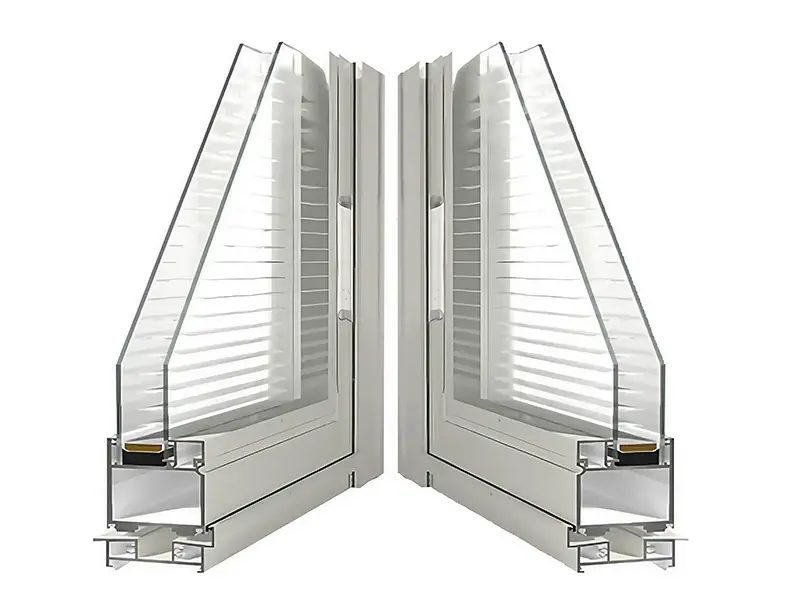
Louvered glass consists of multiple glass panels or slats arranged in a way that allows for ventilation and light control while maintaining privacy and energy efficiency. This design is particularly advantageous in modern architecture, as it enables the seamless integration of natural elements within built environments. By utilizing louvered glass, architects and designers can create spaces that not only look appealing but also enhance the functionality of a building.
One of the primary benefits of louvered glass is its ability to regulate airflow. The angled slats can be adjusted to create a cross-ventilation effect, reducing the reliance on mechanical ventilation systems and improving indoor air quality. This is especially useful in hot climates where cooling costs can significantly impact energy consumption. Additionally, the adjustable nature of louvered glass allows for customized light control, making it an excellent option for spaces that require varying degrees of natural light throughout the day.
In terms of aesthetic appeal, louvered glass can serve as a striking architectural feature. The sleek lines and contemporary look of louvered systems can enhance the visual dynamics of a building’s façade. This versatility allows architects to incorporate louvered glass in various styles, from modern office buildings to residential homes, thereby contributing to the overall character of the structure.
Moreover, louvered glass systems can be designed to meet various performance criteria, including thermal insulation and sound attenuation. By selecting appropriate glass types and coatings, professionals can enhance the energy efficiency of a building, reducing heating and cooling costs. This adaptability makes louvered glass an ideal choice for sustainable building practices, aligning with the growing trend towards environmentally conscious design.
Installation and maintenance considerations are also important when it comes to louvered glass. While the systems can be integrated into new constructions, they can also be retrofitted into existing buildings. Regular maintenance is essential to ensure the longevity of the glass and its mechanical components, which may include hinges and control mechanisms. By establishing a proper maintenance routine, property owners can maximize the lifespan and performance of their louvered glass systems.
In summary, louvered glass presents a multifunctional and visually appealing solution for modern architectural needs. Its ability to provide natural ventilation, light control, and energy efficiency makes it a desirable choice among architects and designers. Whether used in new constructions or renovations, louvered glass stands out as a testament to innovation in building materials, enhancing the overall experience of any environment.
One of the primary benefits of louvered glass is its ability to regulate airflow. The angled slats can be adjusted to create a cross-ventilation effect, reducing the reliance on mechanical ventilation systems and improving indoor air quality. This is especially useful in hot climates where cooling costs can significantly impact energy consumption. Additionally, the adjustable nature of louvered glass allows for customized light control, making it an excellent option for spaces that require varying degrees of natural light throughout the day.
In terms of aesthetic appeal, louvered glass can serve as a striking architectural feature. The sleek lines and contemporary look of louvered systems can enhance the visual dynamics of a building’s façade. This versatility allows architects to incorporate louvered glass in various styles, from modern office buildings to residential homes, thereby contributing to the overall character of the structure.
Moreover, louvered glass systems can be designed to meet various performance criteria, including thermal insulation and sound attenuation. By selecting appropriate glass types and coatings, professionals can enhance the energy efficiency of a building, reducing heating and cooling costs. This adaptability makes louvered glass an ideal choice for sustainable building practices, aligning with the growing trend towards environmentally conscious design.
Installation and maintenance considerations are also important when it comes to louvered glass. While the systems can be integrated into new constructions, they can also be retrofitted into existing buildings. Regular maintenance is essential to ensure the longevity of the glass and its mechanical components, which may include hinges and control mechanisms. By establishing a proper maintenance routine, property owners can maximize the lifespan and performance of their louvered glass systems.
In summary, louvered glass presents a multifunctional and visually appealing solution for modern architectural needs. Its ability to provide natural ventilation, light control, and energy efficiency makes it a desirable choice among architects and designers. Whether used in new constructions or renovations, louvered glass stands out as a testament to innovation in building materials, enhancing the overall experience of any environment.
TAG:
Related Posts
Understanding Louvered Glass: A Versatile Solution for Modern Architecture
Louvered glass consists of multiple glass panels or slats arranged in a way that allows for ventilation and light control while maintaining privacy and energy efficiency. This design is particularly advantageous in modern architecture, as it enables the seamless integration of natural elements within built environments. By utilizing louvered glass, architects and designers can create spaces that n


MESSAGES
We will contact you within one working day. Please pay attention to your email.