Understanding Flat and Curved Tempered Glass: A Key Component in Modern Architecture
2026-08-04

Tempered glass, known for its strength and safety features, is a popular choice in the architectural and decorative materials industry. It is produced through a process of extreme heating and rapid cooling, which significantly increases its strength compared to standard glass. In this discussion, we will explore two primary categories of tempered glass: flat and curved tempered glass, focusing on
Tempered glass, known for its strength and safety features, is a popular choice in the architectural and decorative materials industry. It is produced through a process of extreme heating and rapid cooling, which significantly increases its strength compared to standard glass. In this discussion, we will explore two primary categories of tempered glass: flat and curved tempered glass, focusing on their applications, benefits, and considerations for use in modern buildings.
**Flat Tempered Glass**
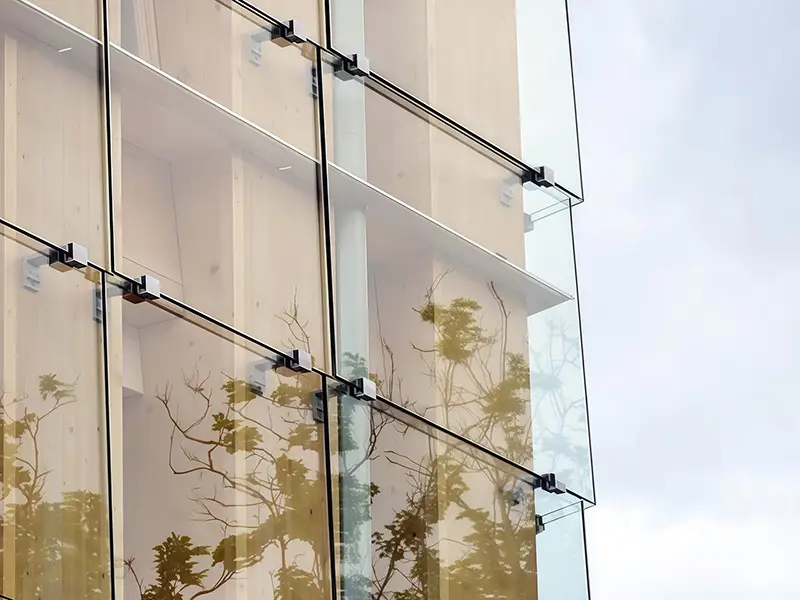
Flat tempered glass is prevalent in a range of architectural applications, including windows, doors, facades, and interior partitions. Its clarity and strength make it an ideal choice for environments where safety and visibility are paramount. Not only does flat tempered glass provide excellent light transmission, but it also possesses a thermal resistance that allows it to withstand sudden temperature changes without breaking. This makes it particularly suitable for both residential and commercial structures.
From an aesthetic standpoint, flat tempered glass can be produced in various thicknesses and finishes, allowing architects and designers significant creative flexibility. It can be treated with coatings for added privacy, UV filtering, or glare reduction, enhancing its functionality in a variety of settings.
**Curved Tempered Glass**
Curved tempered glass, on the other hand, is increasingly sought after for its ability to create unique architectural shapes and design elements. This type of glass is manufactured by heating flat glass and then bending it into the desired shape. The resulting product shares the same strength properties as flat tempered glass, making it an equally safe choice for applications such as curved facades, skylights, and interior features.
The use of curved tempered glass can add a dynamic element to building designs, allowing for innovative solutions that can impressively highlight the structure's aesthetics. Moreover, its ability to diffuse light can reduce harsh glare while maintaining a bright and inviting interior, which is particularly advantageous in large commercial spaces.
**Conclusion**
Both flat and curved tempered glass serve crucial roles in modern architecture. Their combination of safety, functionality, and aesthetic appeal make them indispensable in the construction and design of contemporary buildings. When choosing tempered glass for a project, it is essential to consider the specific requirements and intended use, as well as the design vision. By understanding the characteristics of flat and curved tempered glass, professionals can make informed decisions that enhance the overall quality and appeal of their architectural projects.
**Flat Tempered Glass**
Flat tempered glass is prevalent in a range of architectural applications, including windows, doors, facades, and interior partitions. Its clarity and strength make it an ideal choice for environments where safety and visibility are paramount. Not only does flat tempered glass provide excellent light transmission, but it also possesses a thermal resistance that allows it to withstand sudden temperature changes without breaking. This makes it particularly suitable for both residential and commercial structures.
From an aesthetic standpoint, flat tempered glass can be produced in various thicknesses and finishes, allowing architects and designers significant creative flexibility. It can be treated with coatings for added privacy, UV filtering, or glare reduction, enhancing its functionality in a variety of settings.
**Curved Tempered Glass**
Curved tempered glass, on the other hand, is increasingly sought after for its ability to create unique architectural shapes and design elements. This type of glass is manufactured by heating flat glass and then bending it into the desired shape. The resulting product shares the same strength properties as flat tempered glass, making it an equally safe choice for applications such as curved facades, skylights, and interior features.
The use of curved tempered glass can add a dynamic element to building designs, allowing for innovative solutions that can impressively highlight the structure's aesthetics. Moreover, its ability to diffuse light can reduce harsh glare while maintaining a bright and inviting interior, which is particularly advantageous in large commercial spaces.
**Conclusion**
Both flat and curved tempered glass serve crucial roles in modern architecture. Their combination of safety, functionality, and aesthetic appeal make them indispensable in the construction and design of contemporary buildings. When choosing tempered glass for a project, it is essential to consider the specific requirements and intended use, as well as the design vision. By understanding the characteristics of flat and curved tempered glass, professionals can make informed decisions that enhance the overall quality and appeal of their architectural projects.
TAG:
Related Posts

Understanding Louvered Glass: A Versatile Solution for Modern Architecture
Louvered glass is a specialized type of architectural glass featuring slatted or angled panes that can be adjusted to control light, airflow, and privacy. This innovative material has gained popularity in various architectural applications due to its versatility and functionality. By allowing natural light to permeate while providing necessary ventilation, louvered glass is an excellent choice for


MESSAGES
We will contact you within one working day. Please pay attention to your email.