A Comprehensive Guide to the Different Types of Insulating Glass: Enhancing Energy Efficiency and Comfort
2026-01-16

A Comprehensive Guide to the Different Types of Insulating Glass
Table of Contents
1. Understanding Insulating Glass
2. Why Choose Insulating Glass?
3. Types of Insulating Glass
3.1 Double-Glazed Insulating Glass
3.2 Triple-Glazed Insulating Glass
3.3 Low-Emissivity (Low-E) Glass
3.4 Gas-Filled Insulating Glass
3.5 Laminated Insulating Glass
4. The Benefits of Insulating Glass
A Comprehensive Guide to the Different Types of Insulating Glass
Table of Contents
1. Understanding Insulating Glass
2. Why Choose Insulating Glass?
3. Types of Insulating Glass
3.1 Double-Glazed Insulating Glass
3.2 Triple-Glazed Insulating Glass
3.3 Low-Emissivity (Low-E) Glass
3.4 Gas-Filled Insulating Glass
3.5 Laminated Insulating Glass
4. The Benefits of Insulating Glass
5. Applications of Insulating Glass
6. Factors to Consider When Choosing Insulating Glass
7. Maintenance Tips for Insulating Glass
8. FAQs about Insulating Glass
9. Conclusion
1. Understanding Insulating Glass
Insulating glass is a critical component in modern construction, designed to enhance energy efficiency and improve the comfort of indoor environments. This type of glass typically consists of two or more panes separated by a spacer filled with air or an inert gas, creating a barrier that reduces heat transfer. As energy costs rise and environmental awareness increases, insulating glass has become an essential part of architectural design.
2. Why Choose Insulating Glass?
The primary purpose of insulating glass is to provide thermal insulation, significantly decreasing energy costs associated with heating and cooling. By minimizing heat loss during winter and heat gain during summer, insulating glass helps maintain a stable indoor temperature. Additionally, it offers advantages like enhanced sound insulation, UV protection, and increased security, making it a popular choice for residential and commercial buildings alike.
3. Types of Insulating Glass
When selecting insulating glass, it’s crucial to understand the different types available to make an informed decision that meets your specific needs.
3.1 Double-Glazed Insulating Glass
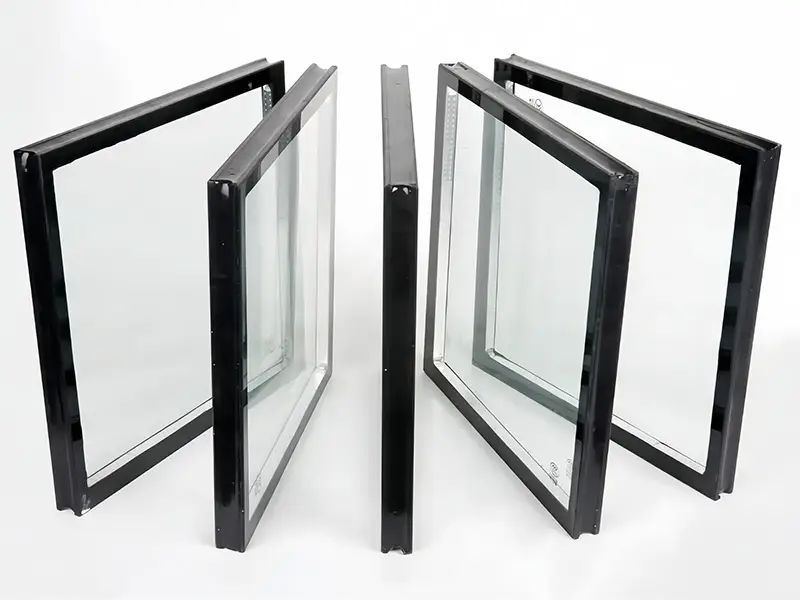
Double-glazed insulating glass consists of two panes of glass separated by a spacer. This configuration creates an air gap that serves as an insulating barrier. Double glazing is widely used in residential buildings due to its balance of cost and efficiency. It effectively reduces heat loss and minimizes external noise, making homes quieter and more comfortable.
3.2 Triple-Glazed Insulating Glass
Triple-glazed insulating glass features three panes of glass, providing superior insulation compared to double glazing. The additional pane adds extra thermal resistance, making it ideal for areas with extreme weather conditions. While triple glazing is more expensive, the long-term energy savings can justify the initial investment, particularly in colder climates.
3.3 Low-Emissivity (Low-E) Glass
Low-E glass is treated with a microscopic coating that reflects heat while allowing light to pass through. This innovative technology enhances thermal performance by minimizing heat transfer through the glass. Low-E coatings can be applied to both double and triple-glazed units, making them versatile options for energy-efficient buildings.
3.4 Gas-Filled Insulating Glass
To further improve energy efficiency, insulating glass units can be filled with inert gases such as argon or krypton. These gases have lower thermal conductivity than air, enhancing the insulating properties of the glass. Gas-filled units are particularly effective in double and triple glazing, providing better insulation without compromising visibility.
3.5 Laminated Insulating Glass
Laminated insulating glass is created by sandwiching a layer of polymer interlayer between two panes of glass. This construction not only improves thermal performance but also enhances safety and security. In the event of breakage, the interlayer holds the glass fragments in place, reducing the risk of injury and making it a suitable choice for high-traffic areas.
4. The Benefits of Insulating Glass
Insulating glass offers a myriad of benefits that enhance both building performance and occupant comfort:
1. **Energy Efficiency**: Reduces heating and cooling costs by minimizing heat transfer.
2. **Sound Insulation**: Provides a quieter indoor environment by blocking external noise.
3. **UV Protection**: Shields interiors from harmful UV rays that can fade furnishings and flooring.
4. **Enhanced Comfort**: Maintains a stable indoor temperature, improving overall comfort.
5. **Increased Property Value**: Energy-efficient homes and buildings are more attractive to buyers.
5. Applications of Insulating Glass
Insulating glass is versatile and finds applications in various settings:
- **Residential Buildings**: Used in windows, doors, and skylights to improve energy efficiency.
- **Commercial Buildings**: Enhances the comfort of office spaces, retail environments, and public facilities.
- **Curtain Walls**: Ideal for large glass facades that require thermal performance and aesthetic appeal.
- **Curtain Wall Systems**: Used in modern architecture to create visually striking and energy-efficient structures.
6. Factors to Consider When Choosing Insulating Glass
When selecting the right type of insulating glass for your project, consider the following factors:
- **Climate**: Assess the local climate to determine the best glazing options for energy efficiency.
- **Building Design**: Ensure the chosen glass complements the architectural style and function of the building.
- **Budget**: Balance the upfront cost with long-term energy savings to make an informed decision.
- **Regulatory Requirements**: Check local building codes and energy efficiency standards to ensure compliance.
7. Maintenance Tips for Insulating Glass
To prolong the lifespan and performance of insulating glass, follow these maintenance tips:
- **Regular Cleaning**: Clean the glass surfaces with a non-abrasive cleaner to maintain clarity and appearance.
- **Inspect Seals**: Regularly check the seals for any signs of damage or condensation, which may indicate a failure.
- **Professional Inspections**: Schedule periodic inspections by professionals to ensure the integrity of the insulating glass units.
8. FAQs about Insulating Glass
**Q1: What is the lifespan of insulating glass?**
A1: Insulating glass can last 20-30 years, depending on the quality of installation and environmental conditions.
**Q2: Does insulating glass reduce noise effectively?**
A2: Yes, insulating glass significantly reduces noise transmission and is ideal for urban areas or noisy environments.
**Q3: Can I replace single-pane glass with insulating glass?**
A3: Yes, replacing single-pane glass with insulating glass is a common upgrade that improves energy efficiency.
**Q4: How can I tell if my insulating glass has failed?**
A4: Signs of failure include condensation between panes and distorted visibility.
**Q5: Is Low-E glass worth the investment?**
A5: Yes, Low-E glass provides excellent energy efficiency and can reduce heating and cooling costs over time.
9. Conclusion
In conclusion, insulating glass plays a pivotal role in enhancing energy efficiency, comfort, and aesthetic appeal in both residential and commercial buildings. With various types available, including double-glazed, triple-glazed, Low-E, gas-filled, and laminated options, there is a suitable choice for every application. Understanding the benefits, applications, and maintenance of insulating glass will empower you to make informed decisions that contribute to a more sustainable and comfortable living environment. Investing in high-quality insulating glass is not just a choice; it's a commitment to energy conservation and improved quality of life.
TAG:
Related Posts

Exploring the Unique Qualities of Oil Jade Frosted Glass in Architectural Design
Oil jade frosted glass is becoming increasingly popular in the realm of architectural design and decorative materials. This type of glass is characterized by its unique frosted finish that mimics the serene and elegant appearance of jade, providing a sophisticated touch to any space. Architects and designers are drawn to oil jade frosted glass due to its versatility and ability to blend seamlessly

MESSAGES
We will contact you within one working day. Please pay attention to your email.