Exploring the Aesthetics and Applications of Various Colored Glass in Architecture
2026-01-19

The use of various colored glass in architecture is an exciting trend that offers both aesthetic and functional benefits. Architects and designers are increasingly integrating colored glass into their projects, leveraging its unique properties to create visually stunning environments. This article explores the reasons behind the growing popularity of colored glass, its applications, and its impact
The use of various colored glass in architecture is an exciting trend that offers both aesthetic and functional benefits. Architects and designers are increasingly integrating colored glass into their projects, leveraging its unique properties to create visually stunning environments. This article explores the reasons behind the growing popularity of colored glass, its applications, and its impact on modern architecture.
Colored glass is not just a beautiful material; it also serves various functional purposes. For instance, it can help control light and heat, contributing to energy efficiency in buildings. By selecting specific colors and opacity levels, architects can dictate how much natural light enters a space, thereby optimizing illumination and reducing the need for artificial lighting. This can lead to significant energy savings, making colored glass an eco-friendly choice in construction.
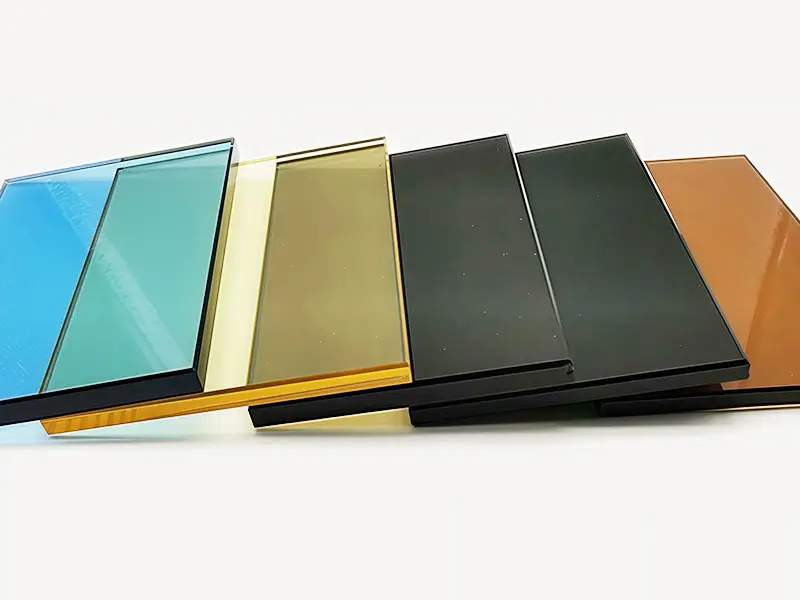
In addition to its energy-saving capabilities, various colored glass enhances a building's aesthetic appeal. It offers an extensive range of colors and finishes, allowing architects to create striking facades and interior spaces that reflect the desired mood or theme. Vibrant hues can evoke emotions, while softer tones can create a sense of tranquility. The versatility of colored glass means it can be used in various applications, from exterior cladding to interior partitions, making it a popular choice for both commercial and residential projects.
The creative potential of colored glass extends beyond traditional applications. For instance, artists and designers are now experimenting with glass in innovative ways, incorporating it into sculptures, mosaics, and decorative features. This trend not only enriches the visual language of a space but also highlights the craftsmanship involved in creating unique pieces that resonate with users on a personal level.
Moreover, the durability and low maintenance of colored glass make it a practical choice for various architectural settings. Unlike other materials, colored glass is resistant to fading and deterioration, ensuring that its visual appeal remains intact over time. This longevity makes it a wise investment for property owners looking to maintain their buildings’ aesthetic integrity.
In summary, various colored glass presents a multitude of benefits in the realm of architecture and decorative materials. Its ability to enhance both the functionality and aesthetic value of spaces makes it an appealing option for architects and designers. By understanding the advantages and possibilities of colored glass, industry professionals can harness its potential to elevate their projects and create lasting impressions. As the industry evolves, exploring innovative uses and applications of colored glass will undoubtedly continue to inspire creative solutions in architectural design.
Colored glass is not just a beautiful material; it also serves various functional purposes. For instance, it can help control light and heat, contributing to energy efficiency in buildings. By selecting specific colors and opacity levels, architects can dictate how much natural light enters a space, thereby optimizing illumination and reducing the need for artificial lighting. This can lead to significant energy savings, making colored glass an eco-friendly choice in construction.
In addition to its energy-saving capabilities, various colored glass enhances a building's aesthetic appeal. It offers an extensive range of colors and finishes, allowing architects to create striking facades and interior spaces that reflect the desired mood or theme. Vibrant hues can evoke emotions, while softer tones can create a sense of tranquility. The versatility of colored glass means it can be used in various applications, from exterior cladding to interior partitions, making it a popular choice for both commercial and residential projects.
The creative potential of colored glass extends beyond traditional applications. For instance, artists and designers are now experimenting with glass in innovative ways, incorporating it into sculptures, mosaics, and decorative features. This trend not only enriches the visual language of a space but also highlights the craftsmanship involved in creating unique pieces that resonate with users on a personal level.
Moreover, the durability and low maintenance of colored glass make it a practical choice for various architectural settings. Unlike other materials, colored glass is resistant to fading and deterioration, ensuring that its visual appeal remains intact over time. This longevity makes it a wise investment for property owners looking to maintain their buildings’ aesthetic integrity.
In summary, various colored glass presents a multitude of benefits in the realm of architecture and decorative materials. Its ability to enhance both the functionality and aesthetic value of spaces makes it an appealing option for architects and designers. By understanding the advantages and possibilities of colored glass, industry professionals can harness its potential to elevate their projects and create lasting impressions. As the industry evolves, exploring innovative uses and applications of colored glass will undoubtedly continue to inspire creative solutions in architectural design.
TAG:
Related Posts

Exploring the Unique Qualities of Oil Jade Frosted Glass in Architectural Design
Oil jade frosted glass is becoming increasingly popular in the realm of architectural design and decorative materials. This type of glass is characterized by its unique frosted finish that mimics the serene and elegant appearance of jade, providing a sophisticated touch to any space. Architects and designers are drawn to oil jade frosted glass due to its versatility and ability to blend seamlessly

MESSAGES
We will contact you within one working day. Please pay attention to your email.