
Exploring the Versatility of Glass Partitions for Modern Interiors
2026-01-22

Exploring the Versatility of Glass Partitions for Modern Interiors
Table of Contents
1. Introduction to Glass Partitions
2. The Benefits of Glass Partitions in Modern Interiors
2.1 Enhancing Natural Light
2.2 Creating an Illusion of Space
2.3 Sound Insulation and Privacy
3. Different Types of Glass Partitions
3.1 Frameless Glass Partitions
3.2 Framed Glass Partitions
3.3 Movable Glass Walls
4. Des
Exploring the Versatility of Glass Partitions for Modern Interiors
Table of Contents
1. Introduction to Glass Partitions
2. The Benefits of Glass Partitions in Modern Interiors
2.1 Enhancing Natural Light
2.2 Creating an Illusion of Space
2.3 Sound Insulation and Privacy
3. Different Types of Glass Partitions
3.1 Frameless Glass Partitions
3.2 Framed Glass Partitions
3.3 Movable Glass Walls
4. Design Ideas for Glass Partitions
4.1 Office Spaces
4.2 Residential Interiors
4.3 Retail Environments
5. Installation Considerations for Glass Partitions
6. Maintenance Tips for Glass Partitions
7. The Future of Glass Partitions in Interior Design
8. FAQs about Glass Partitions
9. Conclusion
1. Introduction to Glass Partitions
In the realm of interior design, **glass partitions** have emerged as a pivotal element, merging aesthetics with functionality. As urban spaces grow more compact, the need for versatile design solutions that adapt to changing environments has never been more critical. Glass partitions serve as an innovative solution, providing a seamless blend of openness and separation.
2. The Benefits of Glass Partitions in Modern Interiors
Glass partitions offer numerous advantages that cater to the modern design ethos, focusing on minimalism, light, and adaptability.
2.1 Enhancing Natural Light
One of the most significant benefits of glass partitions is their ability to **maximize natural light**. Traditional walls can often block sunlight, making spaces feel cramped and artificial. Glass partitions allow light to flow freely, creating a bright and airy atmosphere that enhances the overall aesthetic of any interior.
2.2 Creating an Illusion of Space
Glass partitions are ideal for creating the illusion of larger spaces. By maintaining visual continuity, they prevent a boxed-in feeling, which is especially beneficial in smaller homes or offices. This illusion can significantly improve the overall mood and functionality of a space.
2.3 Sound Insulation and Privacy
While glass partitions promote openness, they can also provide acoustic benefits. Specialized glass types, such as laminated or double-glazed options, can help in **soundproofing** areas, ensuring that spaces remain private and conducive to productivity, particularly in office environments.
3. Different Types of Glass Partitions
Understanding the various types of glass partitions is crucial for making informed design choices.
3.1 Frameless Glass Partitions
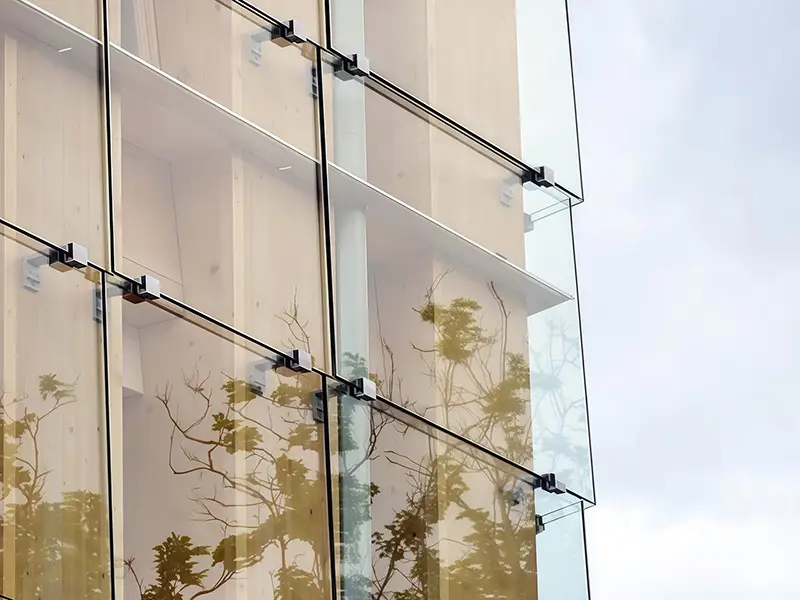
Frameless glass partitions deliver a sleek, modern look without the bulk of traditional framing. These systems utilize structural silicone for support, creating a clean and unobtrusive barrier that enhances visual clarity.
3.2 Framed Glass Partitions
Framed glass partitions offer a more robust solution, with metal framing providing additional structural integrity. This type is often used in commercial spaces where durability is a priority, and it can be customized to fit various design aesthetics.
3.3 Movable Glass Walls
For environments requiring versatility, movable glass walls are the perfect solution. These partitions can be opened or closed as needed, allowing for flexible space usage. They are particularly useful in conference rooms or multi-purpose spaces.
4. Design Ideas for Glass Partitions
The versatility of glass partitions opens up a world of design possibilities for both residential and commercial spaces.
4.1 Office Spaces
In modern office design, glass partitions can create collaborative spaces while still providing individual privacy. Utilizing frosted glass can enhance confidentiality without sacrificing light. Consider integrating writable surfaces on glass for brainstorming sessions.
4.2 Residential Interiors
In homes, glass partitions can delineate areas without overwhelming the layout. For example, a glass partition can separate a home office from a living area, maintaining openness while designating workspaces. Adding decorative elements like plants or art can further enhance the aesthetic.
4.3 Retail Environments
Retail spaces benefit from glass partitions by creating distinct areas for different product categories while allowing customers to view the entire store. This encourages exploration and enhances the shopping experience. Incorporating backlit displays within partitions can add a modern touch.
5. Installation Considerations for Glass Partitions
When planning to install glass partitions, several essential factors must be considered.
First, assess the structural requirements of your space to ensure that it can support the glass system chosen. Additionally, consult with professionals to determine the best type of glass based on your specific needs regarding privacy, aesthetics, and functionality. Finally, consider the local building codes and regulations regarding glass installations to ensure compliance.
6. Maintenance Tips for Glass Partitions
Maintaining glass partitions is relatively straightforward, but proper care is essential for longevity and clarity.
Regular cleaning with non-abrasive solutions will help keep glass surfaces clear and free from streaks. For framed partitions, inspect seals and hardware regularly to prevent issues with functionality. If using frosted or etched glass, avoid harsh chemicals that may damage the finish.
7. The Future of Glass Partitions in Interior Design
As we move toward a more sustainable future, glass partitions will likely become even more prevalent in interior design. Innovations in **smart glass technology**, which can change opacity with a switch, allow for greater flexibility in privacy and light control. This trend aligns with the growing emphasis on sustainability and energy efficiency in construction and design.
8. FAQs about Glass Partitions
Q1: Are glass partitions soundproof?
A1: While glass partitions can provide some sound insulation, the level of soundproofing depends on the type of glass used. Laminated or double-glazed options offer better soundproofing than standard single-pane glass.
Q2: Can I customize glass partitions to fit my aesthetic?
A2: Absolutely! Glass partitions can be customized with different finishes, textures, and colors, allowing them to seamlessly integrate into any design scheme.
Q3: How do I maintain glass partitions?
A3: Regular cleaning with a non-abrasive cleaner is recommended. For framed partitions, ensure seals and hardware are inspected periodically to maintain functionality.
Q4: Are glass partitions safe for homes with children or pets?
A4: Yes, safety glass options are available, which are designed to be shatter-resistant, making them a suitable choice for homes with children or pets.
Q5: What is the cost of installing glass partitions?
A5: The cost can vary significantly based on the type of glass, design complexity, and installation requirements. It is best to obtain quotes from professional installers for an accurate estimate.
9. Conclusion
The versatility of glass partitions makes them an indispensable element in contemporary interior design, catering to both aesthetic and functional needs. By enabling the flow of natural light, creating illusions of space, and offering customizable design solutions, glass partitions redefine how we perceive and interact with our environments. As we look to the future, the role of glass in architecture and interior design will continue to evolve, promising even more innovative solutions for modern living and working spaces. Embrace the possibilities that glass partitions offer to elevate your interior design projects to new heights.
TAG:
Related Posts

Understanding Flat and Curved Tempered Glass: Key Insights for Professionals
Tempered glass, also known as toughened glass, is a type of safety glass that has been processed through controlled thermal treatments to increase its strength compared to normal glass. It is widely used in various applications, particularly in the building and decorative materials sector. This article delves into two prominent forms of tempered glass: flat and curved, both of which serve unique p


MESSAGES
We will contact you within one working day. Please pay attention to your email.