
Designing Open Spaces: The Transformative Role of Glass Partitions in Contemporary Architecture
2026-03-24

Designing Open Spaces: The Transformative Role of Glass Partitions in Contemporary Architecture
Table of Contents
1. Introduction: The Shift Towards Open Spaces
2. Understanding Glass Partitions: Types and Materials
- 2.1 Types of Glass Partitions
- 2.2 Materials Used in Glass Partitions
3. Benefits of Using Glass Partitions in Design
- 3.1 Enhancing Aesthetics and Natural Light
- 3.2
Designing Open Spaces: The Transformative Role of Glass Partitions in Contemporary Architecture
Table of Contents
1. Introduction: The Shift Towards Open Spaces
2. Understanding Glass Partitions: Types and Materials
- 2.1 Types of Glass Partitions
- 2.2 Materials Used in Glass Partitions
3. Benefits of Using Glass Partitions in Design
- 3.1 Enhancing Aesthetics and Natural Light
- 3.2 Acoustic Privacy and Sound Management
- 3.3 Flexibility and Reusability in Space Design
4. Applications of Glass Partitions in Various Settings
- 4.1 Commercial Settings: Offices and Retail Spaces
- 4.2 Residential Settings: Homes and Apartments
- 4.3 Hospitality Industry: Hotels and Restaurants
5. Design Considerations for Glass Partition Integration
- 5.1 Safety and Regulations
- 5.2 Aesthetic Integration with Existing Design
6. Installation and Maintenance of Glass Partitions
7. The Future of Glass Partitions in Architecture
8. Frequently Asked Questions
9. Conclusion: Embracing the Glass Revolution in Design
Introduction: The Shift Towards Open Spaces
In recent years, the design landscape has significantly shifted toward embracing open spaces, a trend driven by the need for flexibility, collaboration, and enhanced aesthetics. **Glass partitions** have emerged as a pivotal element in this evolution, offering innovative solutions for delineating spaces without sacrificing light or openness. This article delves deep into the transformative role of glass partitions in designing open environments, exploring their types, benefits, applications, and future trends.
Understanding Glass Partitions: Types and Materials
Glass partitions are not merely aesthetic choices; they are functional design elements that can drastically alter the dynamics of a space. Understanding the various types and materials involved is crucial for making informed design decisions.
Types of Glass Partitions
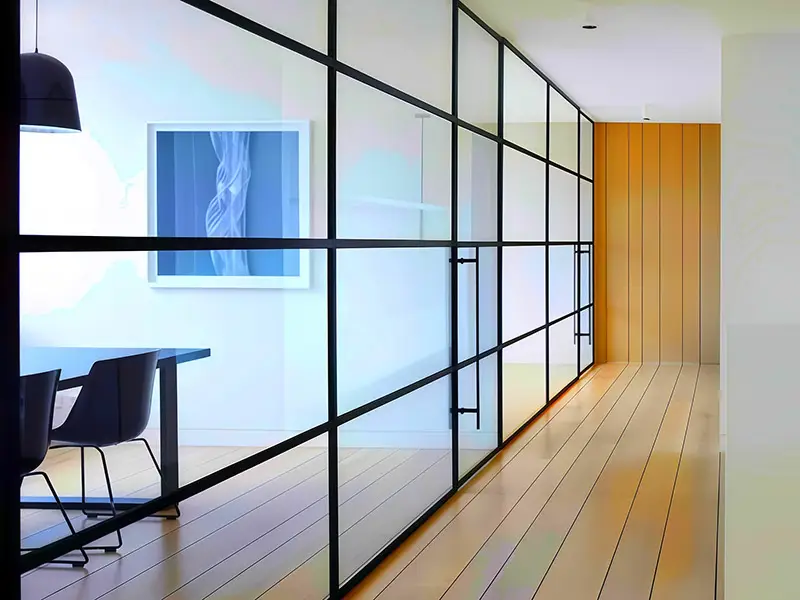
1. **Frameless Glass Partitions**: These feature minimal frame visibility, providing an uninterrupted view and a clean aesthetic. They are perfect for modern offices and homes where sleek design is a priority.
2. **Framed Glass Partitions**: These offer more structural support and can incorporate various materials like aluminum or wood into the frames. They are versatile and can be customized to fit different design styles.
3. **Sliding Glass Partitions**: Ideal for spaces that require adaptability, sliding partitions can be opened or closed as needed, allowing for flexible use of space.
4. **Decorative Glass Partitions**: These can include etched, printed, or colored glass, making them not just functional but also artistic features within a space.
Materials Used in Glass Partitions
The choice of materials significantly impacts both the functionality and aesthetic appeal of glass partitions. Common materials include:
- **Tempered Glass**: Known for its durability, tempered glass is a safety feature that shatters into small, blunt pieces rather than dangerous shards.
- **Laminated Glass**: This type includes a layer of plastic between glass layers, providing additional safety and sound insulation.
- **Double-Glazed Glass**: Incorporating two layers of glass with an insulating space in between, this option is excellent for thermal insulation and soundproofing.
Benefits of Using Glass Partitions in Design
Integrating glass partitions into a design is not just about aesthetics. They offer various practical benefits that enhance the functionality of spaces.
Enhancing Aesthetics and Natural Light
One of the most significant advantages of glass partitions is their ability to create visually appealing environments. By allowing natural light to permeate through spaces, they can make areas appear larger and more inviting. **Natural light** has been shown to improve mood and productivity, making glass partitions an asset in both residential and commercial designs.
Acoustic Privacy and Sound Management
While glass partitions promote openness, they can also be designed to manage sound effectively. Laminated and double-glazed options can reduce noise levels, creating private areas within open spaces. This is particularly important in office environments where focus and confidentiality are crucial.
Flexibility and Reusability in Space Design
Glass partitions offer unparalleled flexibility. Spaces can be reconfigured easily, allowing for quick adaptations to changing needs. This is especially beneficial in commercial settings where space requirements may evolve over time. Additionally, glass partitions can be disassembled and reinstalled in new locations, promoting sustainable design practices.
Applications of Glass Partitions in Various Settings
The versatility of glass partitions allows their application across different sectors, each benefiting uniquely from their integration.
Commercial Settings: Offices and Retail Spaces
In office environments, glass partitions enhance collaboration while maintaining individual privacy. They are often used to create meeting rooms, break areas, and personal offices within an open-plan layout. In retail spaces, these partitions can separate different sections without obstructing customer flow, allowing for a more cohesive shopping experience.
Residential Settings: Homes and Apartments
Homeowners increasingly use glass partitions to define spaces without closing them off. They can create visual breaks between living areas, dining rooms, and kitchens, promoting an airy and spacious feel. Furthermore, decorative glass options can serve as art pieces in themselves, enhancing the overall aesthetic of the home.
Hospitality Industry: Hotels and Restaurants
In hotels and restaurants, glass partitions can separate dining areas, lounges, and conference rooms while maintaining a sense of openness. They contribute to a modern ambiance and can be used creatively to enhance the guest experience through clever lighting and design.
Design Considerations for Glass Partition Integration
When considering glass partitions, several design factors must be taken into account to ensure successful integration.
Safety and Regulations
Adhering to safety regulations is paramount when installing glass partitions. This includes ensuring that the glass used meets local building codes and standards, especially in commercial applications where public safety is a concern.
Aesthetic Integration with Existing Design
To achieve a harmonious look, glass partitions should complement the existing design elements of the space. This can involve matching frame materials, color schemes, and overall design themes.
Installation and Maintenance of Glass Partitions
Proper installation and ongoing maintenance are essential for the longevity and functionality of glass partitions.
**Installation**: Engaging experienced professionals for installation ensures that the partitions are securely fitted and comply with safety standards. The complexity of the installation may vary based on the type of glass and the design of the partition.
**Maintenance**: Regular cleaning and upkeep are necessary to maintain the aesthetic appeal of glass partitions. Using appropriate cleaning solutions and techniques will help prevent scratches and ensure clarity.
The Future of Glass Partitions in Architecture
Looking forward, the role of glass partitions is poised to expand even further. Innovations in glass technology, such as smart glass, which can change opacity and thermal properties on demand, will revolutionize how spaces are designed and experienced. As the demand for flexible, adaptable environments continues to grow, glass partitions will remain at the forefront of architectural trends.
Frequently Asked Questions
**Q1: Are glass partitions soundproof?**
A1: While glass partitions can help reduce noise, they are not completely soundproof. Options like laminated or double-glazed glass provide better sound insulation.
**Q2: How do I maintain glass partitions?**
A2: Regular cleaning with non-abrasive cleaners and avoiding harsh chemicals will help maintain the clarity and appearance of glass partitions.
**Q3: Can glass partitions be customized?**
A3: Yes, glass partitions can be tailored in size, shape, and design to fit specific architectural needs and personal preferences.
**Q4: What safety features should I consider for glass partitions?**
A4: Look for tempered or laminated glass, which offers increased safety by minimizing the risk of injury from breakage.
**Q5: Are glass partitions energy-efficient?**
A5: Double-glazed glass partitions can provide good thermal insulation, contributing to energy efficiency in both commercial and residential settings.
Conclusion: Embracing the Glass Revolution in Design
Glass partitions are redefining the way we approach open space design, offering a blend of functionality, aesthetics, and versatility. By enhancing natural light, improving acoustic privacy, and providing flexible solutions for various environments, they are an invaluable asset in contemporary architecture. As we continue to explore innovative materials and technologies, the role of glass partitions will only become more essential in creating spaces that reflect our evolving needs and desires. Embrace the glass revolution and transform your environment with this dynamic design solution.
TAG:
Previous
Related Posts
Designing Open Spaces: The Transformative Role of Glass Partitions in Contemporary Architecture
Designing Open Spaces: The Transformative Role of Glass Partitions in Contemporary Architecture
Table of Contents
1. Introduction: The Shift Towards Open Spaces
2. Understanding Glass Partitions: Types and Materials
- 2.1 Types of Glass Partitions
- 2.2 Materials Used in Glass Partitions
3. Benefits of Using Glass Partitions in Design
- 3.1 Enhancing Aesthetics and Natural Light
- 3.2


MESSAGES
We will contact you within one working day. Please pay attention to your email.