
Exploring the Benefits of Curtain Wall Glass in Modern Architecture
2026-03-30

Exploring the Benefits of Curtain Wall Glass in Modern Architecture
Table of Contents
1. Introduction to Curtain Wall Glass
2. What is Curtain Wall Glass?
3. Key Benefits of Curtain Wall Glass in Modern Architecture
3.1 Energy Efficiency
3.2 Aesthetic Appeal
3.3 Durability
3.4 Cost-Effectiveness
4. Design Implications of Curtain Wall Glass
5. Sustain
Exploring the Benefits of Curtain Wall Glass in Modern Architecture
Table of Contents
- 1. Introduction to Curtain Wall Glass
- 2. What is Curtain Wall Glass?
- 3. Key Benefits of Curtain Wall Glass in Modern Architecture
- 4. Design Implications of Curtain Wall Glass
- 5. Sustainability and Environmental Impact
- 6. Technological Advancements in Curtain Wall Glass
- 7. Notable Case Studies of Curtain Wall Glass Usage
- 8. Future Trends in Curtain Wall Glass
- 9. Conclusion
- 10. FAQs
1. Introduction to Curtain Wall Glass
In the realm of modern architecture, curtain wall glass has emerged as a prominent choice for both commercial and residential buildings. With its ability to create visually stunning facades while offering functional benefits, this innovative material has redefined architectural aesthetics and performance. In this article, we explore the myriad benefits of curtain wall glass, highlighting why it is a favored option among architects and builders today.
2. What is Curtain Wall Glass?
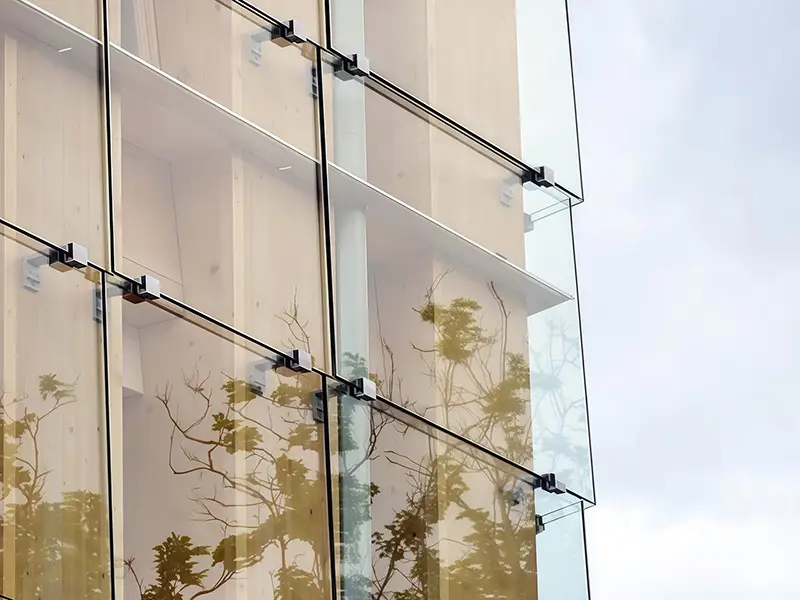
Curtain wall glass refers to a non-structural cladding system that is typically hung from a building's structural framework. Unlike load-bearing walls, curtain walls do not support the weight of the building; rather, they provide an exterior shell that protects against the elements. This system allows for expansive glass panels that can dramatically influence the design and functionality of a space.
3. Key Benefits of Curtain Wall Glass in Modern Architecture
3.1 Energy Efficiency
One of the primary advantages of curtain wall glass is its energy efficiency. Modern advancements in glass technology have led to the development of insulating glass units (IGUs) that significantly reduce heat transfer. By incorporating low-emissivity (Low-E) coatings, these glass panels minimize solar heat gain while allowing natural light to permeate the interior spaces. This results in lower energy consumption for heating and cooling, ultimately reducing operational costs and the building's carbon footprint.
3.2 Aesthetic Appeal
Curtain wall glass offers architects unparalleled design flexibility, enabling them to create visually striking structures that reflect contemporary styles. The seamless integration of glass panels allows for an abundance of natural light, enhancing the interior ambiance and creating a sense of openness. Additionally, the versatility in glass treatments—such as tinted, frosted, or patterned—enables architects to customize appearances that align with their design vision.
3.3 Durability
Durability is a crucial factor in the selection of building materials, and curtain wall glass excels in this regard. Designed to withstand harsh weather conditions, modern glass systems are engineered for impact resistance and structural integrity. The use of high-quality sealants and frames ensures that curtain walls remain watertight and maintain their performance over time, reducing maintenance needs and prolonging the life of the building.
3.4 Cost-Effectiveness
While the initial investment in curtain wall glass may be higher than traditional cladding options, the long-term benefits make it a cost-effective choice. The energy savings from reduced heating and cooling costs, combined with lower maintenance requirements, can lead to substantial savings over the life of the building. Moreover, the aesthetic appeal of glass facades often enhances property values, making it a smart investment for property owners.
4. Design Implications of Curtain Wall Glass
The integration of curtain wall glass into architectural design carries significant implications. It encourages a shift towards transparency and connectivity between indoor and outdoor environments. This design approach not only enhances occupant well-being by providing access to natural light and views but also fosters a sense of community in urban settings. The use of curtain walls can transform urban landscapes, creating iconic structures that define city skylines.
5. Sustainability and Environmental Impact
In an era where sustainability is paramount, curtain wall glass contributes to environmentally-friendly building practices. By optimizing natural light and improving energy efficiency, curtain walls help reduce reliance on artificial lighting and heating systems. Furthermore, many manufacturers offer glass products that are recyclable at the end of their life cycle, thereby minimizing waste and promoting a circular economy in the construction industry.
6. Technological Advancements in Curtain Wall Glass
Recent advancements in technology have revolutionized curtain wall glass applications. Innovations such as dynamic glass, which can change its tint in response to sunlight, offer enhanced energy management solutions. Smart glazing technologies allow for real-time monitoring of energy performance, enabling building managers to optimize conditions for occupants while minimizing energy usage. These technological enhancements align with the growing trend towards smart buildings and sustainable architecture.
7. Notable Case Studies of Curtain Wall Glass Usage
Several landmark projects showcase the capabilities of curtain wall glass in modern architecture:
- **Burj Khalifa, Dubai**: The world’s tallest building features curtain wall glass that plays a crucial role in its aerodynamic design and energy efficiency.
- **The Shard, London**: This iconic structure utilizes glass to create a shimmering facade that reflects the skyline while maximizing natural light.
- **Apple Park, Cupertino**: The main building's impressive use of glass stretches the boundaries of design while promoting an open and collaborative environment.
These case studies illustrate the diverse applications and benefits of curtain wall glass, highlighting its role in pushing architectural boundaries.
8. Future Trends in Curtain Wall Glass
As the industry evolves, several trends are emerging in the realm of curtain wall glass. The increasing demand for sustainable building practices will drive innovation in energy-efficient glass technologies. Furthermore, architects will continue to explore the integration of smart technologies into curtain wall systems, enhancing building efficiency and occupant comfort. The future of curtain wall glass looks promising, with ongoing research and development leading to even more sophisticated applications.
9. Conclusion
Curtain wall glass represents a significant advancement in modern architectural design. Its numerous benefits, including energy efficiency, aesthetic appeal, durability, and cost-effectiveness, make it a preferred choice for architects and builders. As we continue to prioritize sustainability and innovation in construction, the role of curtain wall glass will only become more prominent. By embracing this versatile material, we can create structures that are not only visually stunning but also environmentally responsible and economically viable.
10. FAQs
1. What is the primary purpose of curtain wall glass?
The primary purpose of curtain wall glass is to provide a non-structural cladding system that protects buildings from the elements while allowing for abundant natural light and aesthetic appeal.
2. How does curtain wall glass improve energy efficiency?
Curtain wall glass improves energy efficiency through the use of insulating glass units and Low-E coatings, which reduce heat transfer and minimize solar heat gain, leading to lower energy consumption.
3. Is curtain wall glass durable?
Yes, curtain wall glass is designed to withstand harsh weather conditions, offering high impact resistance and structural integrity, making it a long-lasting choice for building exteriors.
4. Are there sustainable options for curtain wall glass?
Absolutely! Many manufacturers offer environmentally-friendly glass products that are energy-efficient and recyclable, contributing to sustainable building practices.
5. How does curtain wall glass impact building design?
Curtain wall glass encourages transparency and connectivity between indoor and outdoor spaces, enhancing the overall aesthetic and promoting occupant well-being through natural light and views.
This comprehensive examination of curtain wall glass underscores its vital role in modern architecture, revealing its potential to reshape the built environment. By understanding its numerous advantages, architects, builders, and property owners can make informed decisions that reflect contemporary design philosophies and sustainability goals.
TAG:
Previous
Related Posts
Exploring the Benefits of Curtain Wall Glass in Modern Architecture
Exploring the Benefits of Curtain Wall Glass in Modern Architecture
Table of Contents
1. Introduction to Curtain Wall Glass
2. What is Curtain Wall Glass?
3. Key Benefits of Curtain Wall Glass in Modern Architecture
3.1 Energy Efficiency
3.2 Aesthetic Appeal
3.3 Durability
3.4 Cost-Effectiveness
4. Design Implications of Curtain Wall Glass
5. Sustain


MESSAGES
We will contact you within one working day. Please pay attention to your email.