Innovative Applications of Insulating Glass in Architecture: Enhancing Aesthetics and Energy Efficiency
2026-04-17

Innovative Applications of Insulating Glass in Architecture
Introduction to Insulating Glass
In contemporary architecture, the use of insulating glass has revolutionized building design, providing an optimal blend of energy efficiency and visual appeal. Insulating glass units (IGUs) consist of two or more glass panes separated by a spacer and sealed to create an airspace that enhances thermal in
Innovative Applications of Insulating Glass in Architecture
Introduction to Insulating Glass
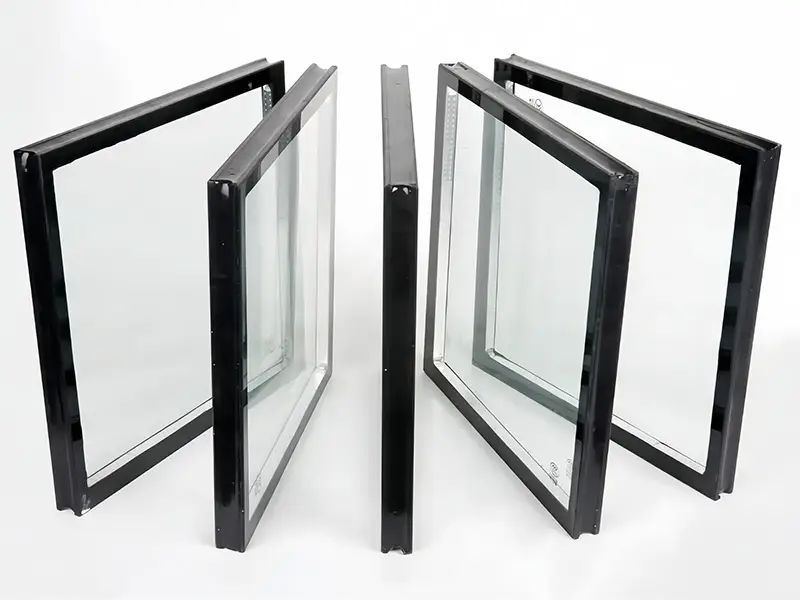
In contemporary architecture, the use of insulating glass has revolutionized building design, providing an optimal blend of energy efficiency and visual appeal. Insulating glass units (IGUs) consist of two or more glass panes separated by a spacer and sealed to create an airspace that enhances thermal insulation. This technology does not merely serve aesthetic purposes but is fundamental to modern sustainable building practices.
The Benefits of Insulating Glass in Architecture
The advantages of insulating glass extend beyond mere aesthetics. Here, we explore the primary benefits that make insulating glass a preferred choice among architects and builders:
1. Energy Efficiency
One of the standout features of insulating glass is its ability to significantly reduce heat transfer. IGUs are designed to maintain indoor temperatures, reducing reliance on heating and cooling systems. This not only lowers energy bills but also minimizes the building's carbon footprint, making it a sustainable choice for eco-conscious projects.
2. Enhanced Comfort
Buildings equipped with insulating glass provide a more comfortable environment for occupants. By regulating indoor temperatures and minimizing drafts, IGUs contribute to better overall comfort. Additionally, they help control glare and improve acoustic insulation, creating serene spaces that enhance productivity and well-being.
3. Aesthetic Versatility
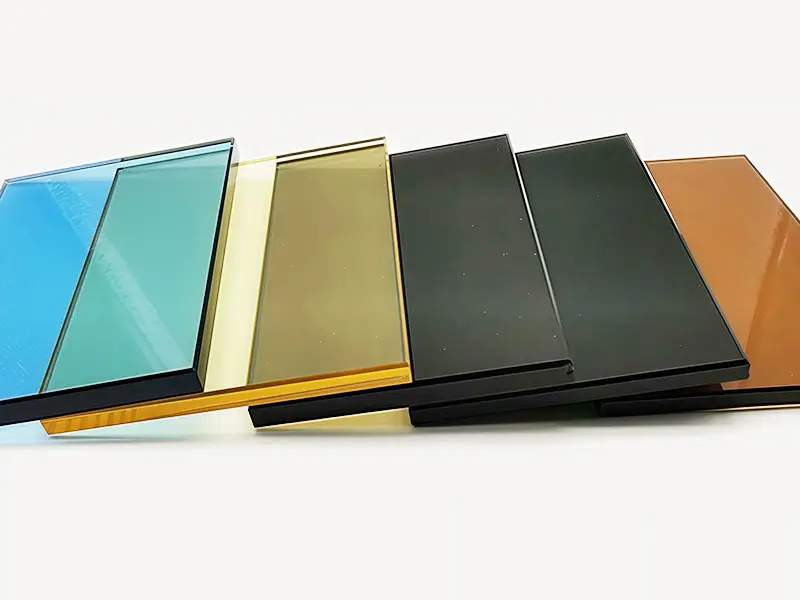
Insulating glass comes in various styles, tints, and finishes, allowing architects to create stunning and innovative designs. The transparency of glass allows for breathtaking views and natural light while maintaining privacy and structure integrity. This versatility enables creative solutions tailored to specific architectural visions.
4. Improved Safety and Security
Modern insulating glass can be treated to enhance its strength and resistance to impact. Laminated and tempered versions offer increased safety, making them ideal for high-rise buildings and areas prone to extreme weather. This added layer of security is crucial for ensuring occupant safety.
Innovative Applications of Insulating Glass
As architects continue to push the boundaries of design, the applications of insulating glass have expanded dramatically. Here are some innovative uses that showcase the material’s versatility:
1. Curtain Walls
Curtain walls are a popular architectural feature that employs large spans of insulating glass. These structures provide a seamless aesthetic while maximizing natural light intake. They are ideal for commercial buildings, offering impressive views and enhancing the overall experience for occupants and visitors alike.
2. Skylights and Roof Glazing
Skylights constructed with insulating glass bring natural light to interior spaces, reducing the reliance on artificial lighting. By incorporating IGUs, architects can ensure that these installations provide thermal efficiency, resulting in comfortable and well-lit environments.
3. Greenhouses and Atriums
Insulating glass plays a pivotal role in the construction of greenhouses and atriums, allowing for optimal light transmission while mitigating heat loss. This energy-efficient approach not only enhances plant growth but also creates inviting communal spaces within larger buildings.
4. Facade Systems
Modern facade systems increasingly utilize insulating glass to achieve striking visual effects while ensuring energy efficiency. Facades featuring IGUs can be designed for passive solar heating, improving a building’s overall energy profile while creating visually dynamic external appearances.
5. Passive House Design
In the field of sustainable architecture, passive house design relies heavily on high-performance insulating glass. These buildings are designed to consume minimal energy for heating and cooling, and the integration of IGUs is crucial in achieving the rigorous energy performance standards set forth in passive house criteria.
Technological Advancements in Insulating Glass
The field of insulating glass has seen numerous advancements that enhance its performance. Below, we explore some of the most significant technological innovations:
1. Low-Emissivity (Low-E) Glass
Low-E glass is treated with a microscopically thin coating that reflects infrared light while allowing visible light to pass through. This technology significantly improves energy efficiency by keeping heat inside during winter and blocking excessive heat during summer.
2. Gas Fills
The airspace between panes can be filled with inert gases like argon or krypton to further reduce thermal transfer. These gases have lower thermal conductivity than air, enhancing the insulation properties of the glass units.
3. Smart Glass Technology
Smart glass, or switchable glass, can change its properties based on external conditions or user input. This innovative technology allows for dynamic control of light and heat entering a building, leading to further energy savings.
Design Considerations for Using Insulating Glass
When integrating insulating glass into architectural designs, several factors must be considered to maximize its benefits:
1. Building Orientation
The orientation of a building plays a crucial role in how insulating glass performs. Architects should consider sun angles and prevailing winds when designing glazing systems to optimize energy efficiency.
2. Local Climate
Understanding the local climate is essential in selecting the right type of insulating glass. For instance, regions with extreme temperatures may require specialized coatings or gas fills to ensure optimal performance.
3. Aesthetic Integration
Designers should ensure that the insulating glass complements the overall architectural style of the building. This might include considering frame materials, colors, and finishes that harmonize with the design ethos.
Case Studies: Successful Implementations of Insulating Glass
To illustrate how insulating glass has been effectively utilized in architecture, we present a few notable case studies:
1. The Edge, Amsterdam
The Edge is renowned for its energy-efficient design, utilizing large spans of insulating glass to maximize natural light and reduce energy consumption. The building's smart glass technology further enhances its sustainability features.
2. Bosco Verticale, Milan
This residential project showcases the innovative use of insulating glass in combination with vertical gardens, achieving an aesthetic that integrates nature with urban living. The insulating glass units contribute to the building's energy efficiency while providing stunning views of the surrounding landscape.
3. One World Trade Center, New York
The use of insulating glass in One World Trade Center not only enhances energy efficiency but also symbolizes resilience and modern architectural prowess. The building features IGUs designed to withstand significant wind loads and impacts, showcasing the material's strength.
Conclusion
Insulating glass has become an essential component in modern architectural design, marrying functionality with aesthetic appeal. Its innovative applications, driven by technological advancements, are paving the way for sustainable, energy-efficient buildings that address the needs of contemporary society. As we continue to explore the capabilities of insulating glass, it's clear that its role in architecture will only expand, leading to exciting possibilities for future designs. Embracing this material not only enhances the beauty of structures but also significantly contributes to a greener, more efficient world.
Frequently Asked Questions (FAQs)
1. What is insulating glass?
Insulating glass is a type of glazing that features two or more panes of glass separated by a spacer, creating an airspace that enhances thermal insulation properties.
2. How does insulating glass improve energy efficiency?
Insulating glass reduces heat transfer between the interior and exterior of a building, thereby lowering energy consumption for heating and cooling.
3. What are the different types of insulating glass?
Common types of insulating glass include double-glazed and triple-glazed units, as well as variations with low-emissivity coatings and gas fills for enhanced performance.
4. Can insulating glass be used in residential buildings?
Yes, insulating glass is widely used in both residential and commercial buildings to enhance energy efficiency and aesthetics.
5. What are the maintenance requirements for insulating glass?
Maintenance typically involves regular cleaning and inspection of seals to ensure optimal performance and longevity of the insulating properties.
By leveraging the unique advantages of insulating glass, architects and builders can create spaces that are not only visually stunning but also energy-efficient and sustainable.
TAG:
Related Posts

Exploring the Unique Qualities of Oil Jade Frosted Glass in Architectural Design
Oil jade frosted glass is becoming increasingly popular in the realm of architectural design and decorative materials. This type of glass is characterized by its unique frosted finish that mimics the serene and elegant appearance of jade, providing a sophisticated touch to any space. Architects and designers are drawn to oil jade frosted glass due to its versatility and ability to blend seamlessly

MESSAGES
We will contact you within one working day. Please pay attention to your email.