Exploring the Aesthetic and Functional Benefits of Various Colored Glass in Architecture
2026-04-20

In recent years, the use of various colored glass has gained significant traction in the architectural and decorative materials sector. This trend is not merely about aesthetics; it encompasses a range of functional benefits that can transform both the interior and exterior of buildings. Colored glass can serve as a versatile tool in design, providing opportunities for creativity while ensuring st
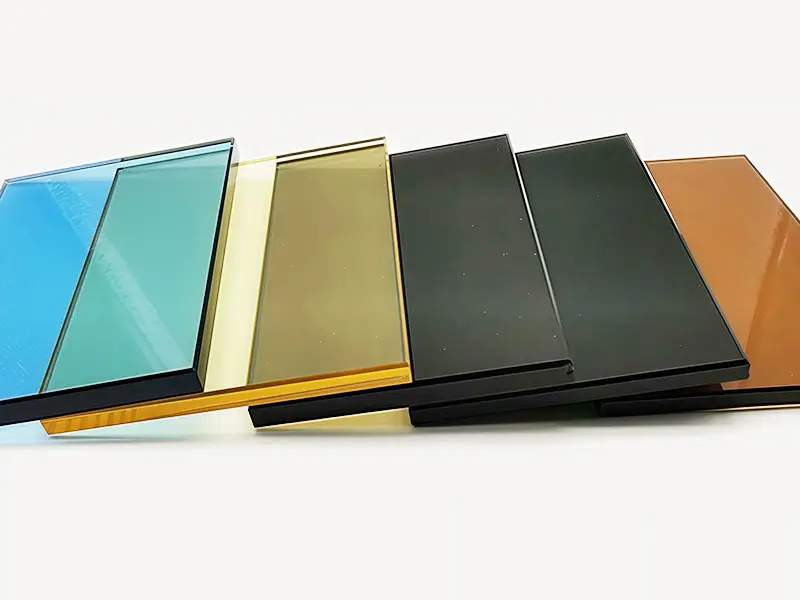
In recent years, the use of various colored glass has gained significant traction in the architectural and decorative materials sector. This trend is not merely about aesthetics; it encompasses a range of functional benefits that can transform both the interior and exterior of buildings. Colored glass can serve as a versatile tool in design, providing opportunities for creativity while ensuring structural integrity and energy efficiency.
One of the primary advantages of using various colored glass is its ability to affect light transmission. Different colors can influence the ambiance of a space in unique ways. For instance, blue glass can create a calm and serene atmosphere, while red or orange hues can evoke warmth and energy. This interaction with light is not just visually appealing but can also contribute to the psychological impact of a space, enhancing the overall experience for its occupants.
In addition to aesthetic properties, various colored glass can be designed to improve energy efficiency. For example, tinted glass can reduce glare and heat gain, making buildings more comfortable and reducing reliance on artificial cooling systems. This characteristic is particularly beneficial in regions with intense sunlight, where managing indoor temperatures can lead to significant energy savings over time. Furthermore, advancements in glass technology have enabled manufacturers to create colored glass with insulating properties, enhancing thermal performance while maintaining visual appeal.
The architectural flexibility provided by colored glass is another compelling reason for its popularity. It can be utilized in a wide range of applications, from facades and windows to decorative panels and partitions. Whether used in residential designs or large commercial projects, various colored glass can be tailored to meet specific design requirements. This adaptability allows architects and designers to explore unique forms and compositions, ultimately contributing to innovative and striking building designs.
Moreover, the sustainability aspect of using various colored glass cannot be overlooked. Many modern manufacturers are committed to environmentally friendly practices, producing glass from recycled materials and ensuring the recyclability of their products. This not only reduces the environmental footprint of construction projects but also aligns with the growing trend towards sustainable architecture.
Lastly, integrating various colored glass into architectural designs can also increase property value. Properties that showcase unique design elements often attract more attention in the market, making them more desirable to potential buyers or tenants. As more developers recognize the benefits of using colored glass, it’s clear that this material is becoming a staple in contemporary architecture.
In summary, the incorporation of various colored glass in architecture is a trend that combines functionality with artistic expression. Its potential to influence light, enhance energy efficiency, offer design flexibility, promote sustainability, and elevate property value makes it an invaluable resource in building and decorative materials. As the industry continues to evolve, the applications and benefits of colored glass are set to expand even further, paving the way for innovative architectural solutions.
One of the primary advantages of using various colored glass is its ability to affect light transmission. Different colors can influence the ambiance of a space in unique ways. For instance, blue glass can create a calm and serene atmosphere, while red or orange hues can evoke warmth and energy. This interaction with light is not just visually appealing but can also contribute to the psychological impact of a space, enhancing the overall experience for its occupants.
In addition to aesthetic properties, various colored glass can be designed to improve energy efficiency. For example, tinted glass can reduce glare and heat gain, making buildings more comfortable and reducing reliance on artificial cooling systems. This characteristic is particularly beneficial in regions with intense sunlight, where managing indoor temperatures can lead to significant energy savings over time. Furthermore, advancements in glass technology have enabled manufacturers to create colored glass with insulating properties, enhancing thermal performance while maintaining visual appeal.
The architectural flexibility provided by colored glass is another compelling reason for its popularity. It can be utilized in a wide range of applications, from facades and windows to decorative panels and partitions. Whether used in residential designs or large commercial projects, various colored glass can be tailored to meet specific design requirements. This adaptability allows architects and designers to explore unique forms and compositions, ultimately contributing to innovative and striking building designs.
Moreover, the sustainability aspect of using various colored glass cannot be overlooked. Many modern manufacturers are committed to environmentally friendly practices, producing glass from recycled materials and ensuring the recyclability of their products. This not only reduces the environmental footprint of construction projects but also aligns with the growing trend towards sustainable architecture.
Lastly, integrating various colored glass into architectural designs can also increase property value. Properties that showcase unique design elements often attract more attention in the market, making them more desirable to potential buyers or tenants. As more developers recognize the benefits of using colored glass, it’s clear that this material is becoming a staple in contemporary architecture.
In summary, the incorporation of various colored glass in architecture is a trend that combines functionality with artistic expression. Its potential to influence light, enhance energy efficiency, offer design flexibility, promote sustainability, and elevate property value makes it an invaluable resource in building and decorative materials. As the industry continues to evolve, the applications and benefits of colored glass are set to expand even further, paving the way for innovative architectural solutions.
TAG:
Related Posts

Exploring the Unique Qualities of Oil Jade Frosted Glass in Architectural Design
Oil jade frosted glass is becoming increasingly popular in the realm of architectural design and decorative materials. This type of glass is characterized by its unique frosted finish that mimics the serene and elegant appearance of jade, providing a sophisticated touch to any space. Architects and designers are drawn to oil jade frosted glass due to its versatility and ability to blend seamlessly

MESSAGES
We will contact you within one working day. Please pay attention to your email.