
The Role of Curtain Wall Glass in Sustainable Building Design: Enhancing Aesthetics and Energy Efficiency
2026-05-29

The Role of Curtain Wall Glass in Sustainable Building Design
Table of Contents
1. Introduction to Curtain Wall Glass
2. The Importance of Sustainable Building Design
3. Benefits of Curtain Wall Glass in Sustainability
3.1 Energy Efficiency
3.2 Aesthetic Appeal
3.3 Durability and Maintenance
4. Types of Curtain Wall Glass Systems
4.1 Stick System
4.2 Unitized System
4.3 Semi-unitized System
5. Inn
The Role of Curtain Wall Glass in Sustainable Building Design
Table of Contents
1. Introduction to Curtain Wall Glass
2. The Importance of Sustainable Building Design
3. Benefits of Curtain Wall Glass in Sustainability
3.1 Energy Efficiency
3.2 Aesthetic Appeal
3.3 Durability and Maintenance
4. Types of Curtain Wall Glass Systems
4.1 Stick System
4.2 Unitized System
4.3 Semi-unitized System
5. Innovations in Curtain Wall Glass Technology
5.1 Low-E Coatings
5.2 Smart Glass
5.3 Photovoltaic Glass
6. Case Studies: Successful Implementation of Curtain Wall Systems
7. Challenges in Using Curtain Wall Glass
8. Future Trends in Sustainable Building Design
9. Frequently Asked Questions (FAQs)
10. Conclusion
1. Introduction to Curtain Wall Glass
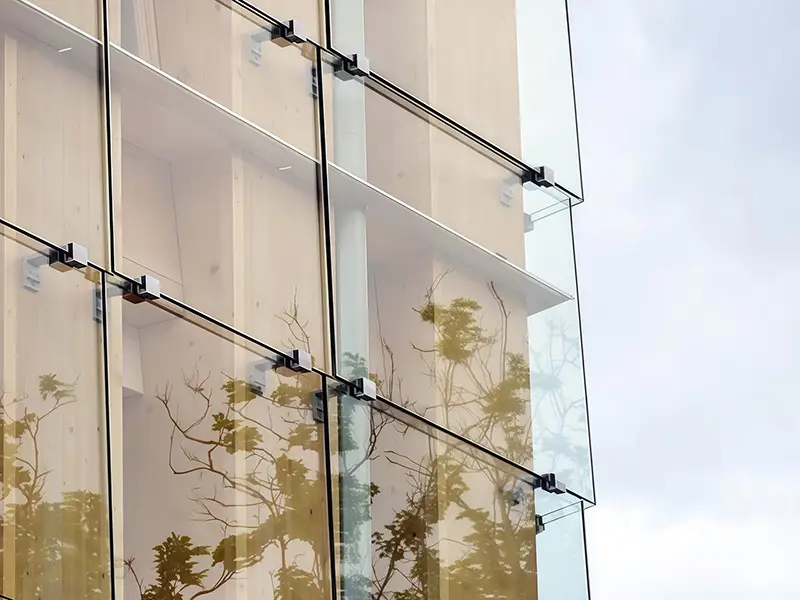
In the realm of architectural design, **curtain wall glass** plays a pivotal role in creating visually stunning facades while promoting sustainable practices. A **curtain wall** is a non-structural outer covering of a building that protects against environmental elements while allowing natural light to permeate the interior spaces. This glass system is particularly significant in sustainable building design, as it bridges the gap between aesthetics and energy efficiency.
2. The Importance of Sustainable Building Design
Sustainable building design aims to minimize energy consumption and environmental impact while enhancing occupant comfort and well-being. With the rapid urbanization and the pressing challenges of climate change, architects and builders must prioritize sustainability in their projects. Implementing materials and systems that support **energy efficiency**, including **curtain wall glass**, is essential for achieving these goals.
3. Benefits of Curtain Wall Glass in Sustainability
Curtain wall glass systems offer numerous advantages that align with sustainable building practices. Below, we explore some of these benefits in detail.
3.1 Energy Efficiency
One of the primary benefits of curtain wall glass is its ability to enhance energy efficiency. Advanced glazing technologies, such as **Low-E (low emissivity) glass**, significantly reduce heat transfer, allowing buildings to maintain comfortable indoor temperatures without excessive reliance on heating or cooling systems. This reduction in energy consumption translates to lower utility bills and a reduced carbon footprint.
3.2 Aesthetic Appeal
Beyond functionality, curtain wall glass contributes significantly to the visual appeal of a building. Large glass panels create a sense of openness and connection to the outdoor environment, allowing natural light to flood interior spaces. This not only enhances the aesthetic quality of the design but also improves the psychological well-being of occupants by providing views of nature.
3.3 Durability and Maintenance
Curtain wall glass systems are designed to withstand harsh environmental conditions, including wind, rain, and temperature fluctuations. The materials used in these systems, such as aluminum and treated glass, are highly durable and require minimal maintenance. This longevity contributes to the overall sustainability of the building, reducing the need for frequent replacements and repairs.
4. Types of Curtain Wall Glass Systems
Understanding the different types of curtain wall systems is crucial for architects and builders aiming to implement sustainable practices effectively. Here are three common types:
4.1 Stick System
The **stick system** involves the assembly of individual components on-site. This method allows for flexibility in design but can be labor-intensive. While it is often more cost-effective for smaller projects, the installation process can lead to increased energy loss if not properly executed.
4.2 Unitized System
In contrast, the **unitized system** consists of pre-assembled panels that are manufactured in a factory setting. These panels are then transported to the construction site for installation. This method enhances quality control and reduces installation time, resulting in improved energy efficiency and lower overall project costs.
4.3 Semi-unitized System
The **semi-unitized system** combines elements of both stick and unitized systems. While some components are pre-assembled, others are installed on-site. This hybrid approach offers a balance between efficiency and flexibility, making it suitable for a range of building designs.
5. Innovations in Curtain Wall Glass Technology
As technology continues to advance, so does the potential for curtain wall glass systems to contribute to sustainable building practices.
5.1 Low-E Coatings
**Low-E coatings** are a game-changer in the world of curtain wall glass. These thin, transparent layers reduce the amount of infrared and ultraviolet light that passes through the glass, minimizing heat gain while still allowing natural light to illuminate indoor spaces. This not only enhances energy efficiency but also protects interior furnishings from fading due to UV exposure.
5.2 Smart Glass
**Smart glass**, or switchable glass, represents the forefront of innovation in curtain wall technology. This dynamic glass can change its transparency or tint in response to environmental conditions. By regulating the amount of sunlight that enters a building, smart glass minimizes the reliance on artificial lighting and reduces cooling loads, significantly contributing to energy savings.
5.3 Photovoltaic Glass
**Photovoltaic glass** integrates solar energy generation into the building facade. This technology allows buildings to harness renewable energy while maintaining aesthetic appeal. By incorporating these glass panels into curtain wall systems, architects can design structures that are not only visually stunning but also self-sustaining.
6. Case Studies: Successful Implementation of Curtain Wall Systems
Examining successful projects can provide valuable insights into the effective use of curtain wall glass in sustainable building design.
One notable example is the **One World Trade Center** in New York City. The building utilizes an advanced curtain wall system that incorporates Low-E glass and a highly insulated frame. This design maximizes energy efficiency while providing breathtaking views of the city skyline.
Another exemplary project is the **California Academy of Sciences** in San Francisco, which features a stunning glass facade that seamlessly integrates with its natural surroundings. The use of curtain wall glass not only enhances the building's aesthetic appeal but also contributes to its LEED Platinum certification through energy-efficient design.
7. Challenges in Using Curtain Wall Glass
Despite its numerous benefits, the use of curtain wall glass is not without challenges. Some of the common issues include:
- **Cost**: High-quality curtain wall systems can be expensive to manufacture and install. While they offer long-term savings through energy efficiency, the initial investment can be a barrier for some projects.
- **Thermal Performance**: If not designed and installed correctly, curtain wall systems can lead to thermal bridging, which can compromise energy efficiency and occupant comfort.
- **Complexity of Installation**: The installation of curtain wall systems requires specialized skills and knowledge. Improper installation can result in leaks, air infiltration, and other performance issues.
8. Future Trends in Sustainable Building Design
As the building industry evolves, so too do the trends in sustainable design. Some key trends to watch include:
- **Increased Integration of Renewable Energy**: More buildings will be designed to incorporate renewable energy technologies, such as photovoltaic glass, to achieve energy independence.
- **Emphasis on Biophilic Design**: Architects will increasingly focus on designs that promote connections between occupants and nature, using curtain wall glass to enhance views and natural light.
- **Advancements in Smart Technologies**: The integration of smart technologies in curtain wall systems will continue to rise, enabling buildings to adapt dynamically to changing environmental conditions.
9. Frequently Asked Questions (FAQs)
What is curtain wall glass?
Curtain wall glass is a non-structural exterior facade system made of glass and metal that protects buildings from environmental elements while allowing natural light to enter.
How does curtain wall glass contribute to energy efficiency?
Curtain wall glass systems, especially those with Low-E coatings, reduce heat transfer and energy consumption, helping buildings maintain comfortable indoor temperatures with less reliance on HVAC systems.
What are the different types of curtain wall systems?
The primary types of curtain wall systems are stick systems, unitized systems, and semi-unitized systems. Each has its own advantages and applications.
What are the benefits of using smart glass in curtain wall systems?
Smart glass can dynamically change its transparency or tint, helping to regulate indoor temperatures, reduce glare, and lower energy consumption for lighting and cooling.
Are there challenges associated with curtain wall glass systems?
Yes, challenges include high costs, potential thermal performance issues, and complexities in installation that can affect the overall performance of the system.
10. Conclusion
The role of **curtain wall glass** in sustainable building design cannot be overstated. Its ability to provide energy efficiency, aesthetic appeal, and durability makes it an essential component in modern architecture. As innovations continue to emerge, such as smart and photovoltaic glass, the potential for curtain walls to contribute to **sustainable practices** will only increase. By embracing these technologies, architects and builders can create structures that not only meet the demands of today but also pave the way for a more sustainable future.
TAG:
Previous:
Related Posts
The Role of Curtain Wall Glass in Sustainable Building Design
Table of Contents
1. Introduction to Curtain Wall Glass
2. The Importance of Sustainable Building Design
3. Benefits of Curtain Wall Glass in Sustainability
3.1 Energy Efficiency
3.2 Aesthetic Appeal
3.3 Durability and Maintenance
4. Types of Curtain Wall Glass Systems
4.1 Stick System
4.2 Unitized System
4.3 Semi-unitized System
5. Inn


MESSAGES
We will contact you within one working day. Please pay attention to your email.