The Versatile Benefits of Laminated Glass in Modern Architecture
2026-08-16

Laminated glass is a type of safety glass that consists of two or more layers of glass bonded together by an interlayer, typically made of polyvinyl butyral (PVB) or ethylene-vinyl acetate (EVA). This construction not only enhances the durability of the glass but also provides additional benefits that are highly valued in the architecture and construction industry.
One of the most significant adva
Laminated glass is a type of safety glass that consists of two or more layers of glass bonded together by an interlayer, typically made of polyvinyl butyral (PVB) or ethylene-vinyl acetate (EVA). This construction not only enhances the durability of the glass but also provides additional benefits that are highly valued in the architecture and construction industry.
One of the most significant advantages of laminated glass is its ability to withstand impact. In the event of a breakage, the interlayer holds the shards of glass in place, preventing them from scattering and causing injury. This characteristic makes laminated glass an excellent choice for applications where safety is paramount, such as in windows and glass facades in commercial buildings, schools, and residential properties.
Another benefit of laminated glass is its sound insulation properties. The interlayer significantly reduces sound transmission, making it an ideal solution for buildings located in noisy environments. By incorporating laminated glass, architects can create tranquil indoor spaces that enhance comfort and productivity.
Moreover, laminated glass can be manufactured with different levels of UV protection, which helps in protecting interior furnishings from fading and damage caused by prolonged exposure to sunlight. This quality is particularly beneficial for retail spaces, galleries, and homes with valuable artworks or furnishings.
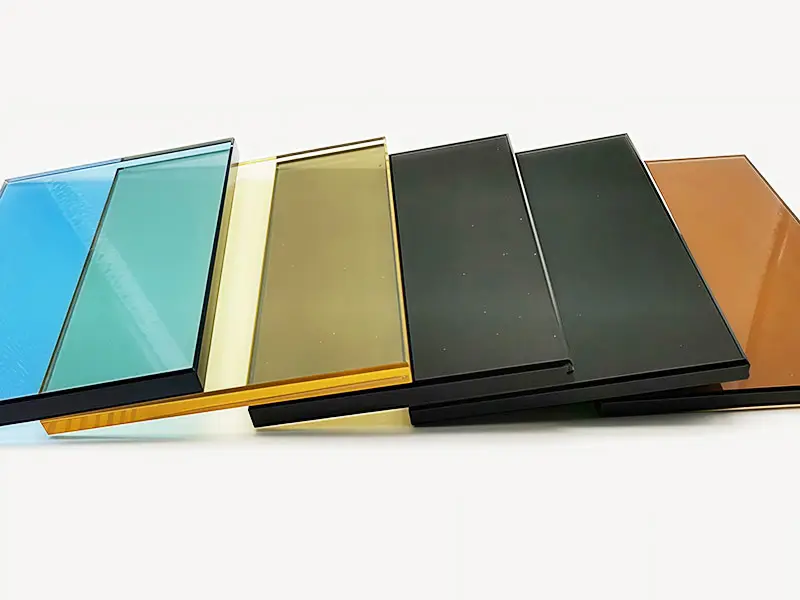
In terms of aesthetics, laminated glass can be manufactured in various colors and finishes, allowing for creative design possibilities. Architects can use laminated glass to create visually striking elements, such as colored glass facades or decorative glass partitions, enhancing the overall visual appeal of a building.
Laminated glass is also a sustainable option, as it can be recycled, and its energy-efficient properties can contribute to a building's overall sustainability goals. It can be used in energy-efficient windows that help reduce heating and cooling costs, thereby supporting green building practices.
In summary, laminated glass offers a wide range of benefits for professionals in the architecture and construction sectors. Its safety features, sound insulation capabilities, UV protection, aesthetic versatility, and sustainability make it an attractive choice for modern building projects. As the demand for innovative and functional materials continues to rise, laminated glass is poised to play an essential role in shaping the future of architectural design.
TAG:
Related Posts
Top Trends in Curtain Wall Glass Design for 2024: Embracing Innovation and Sustainability
Top Trends in Curtain Wall Glass Design for 2024
Building design is an ever-evolving field, and one of the most significant components of modern architecture is the curtain wall glass system. As we step into 2024, we observe a remarkable shift towards innovation, sustainability, and aesthetic appeal in curtain wall glass design. This article delves into the top trends that are redefining the lands


MESSAGES
We will contact you within one working day. Please pay attention to your email.