Top Trends in Curtain Wall Glass Design for 2024: Embracing Innovation and Sustainability
2026-11-10

Top Trends in Curtain Wall Glass Design for 2024
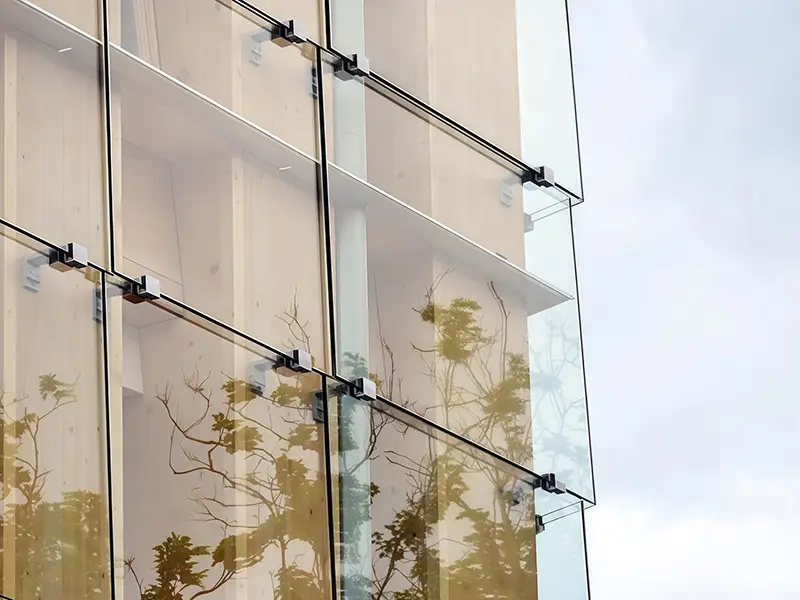
Building design is an ever-evolving field, and one of the most significant components of modern architecture is the curtain wall glass system. As we step into 2024, we observe a remarkable shift towards innovation, sustainability, and aesthetic appeal in curtain wall glass design. This article delves into the top trends that are redefining the landscape of architectural glass, making it a pivotal element in both commercial and residential projects.
Table of Contents
- 1. The Rise of Sustainable Curtain Wall Glass Solutions
- 2. Aesthetic Innovations in Curtain Wall Glass Design
- 3. Smart Glass Technology: The Future of Curtain Walls
- 4. Energy-Efficient Curtain Wall Systems
- 5. Enhancing Safety: Fire-Resistant and Impact-Resistant Glass
- 6. Customization Trends in Curtain Wall Glass
- 7. Integrating Curtain Wall Glass with Other Building Materials
- 8. Maintenance and Durability Considerations for Curtain Wall Glass
- 9. Frequently Asked Questions (FAQs)
- 10. Conclusion
1. The Rise of Sustainable Curtain Wall Glass Solutions
Sustainability continues to lead the conversation in architectural design, and **curtain wall glass** is no exception. In 2024, there is a notable shift towards using materials that minimize environmental impact. Manufacturers are focusing on glass that utilizes recycled materials and processes. This not only reduces waste but also lowers the carbon footprint associated with production.
Innovative coatings and treatments, such as low-emissivity (Low-E) coatings, are becoming standard. These coatings enhance the thermal performance of glass, contributing to energy-efficient buildings. Furthermore, the integration of *biodegradable sealants* and *chemical-free adhesives* in curtain wall systems presents a compelling case for sustainable construction practices.
2. Aesthetic Innovations in Curtain Wall Glass Design
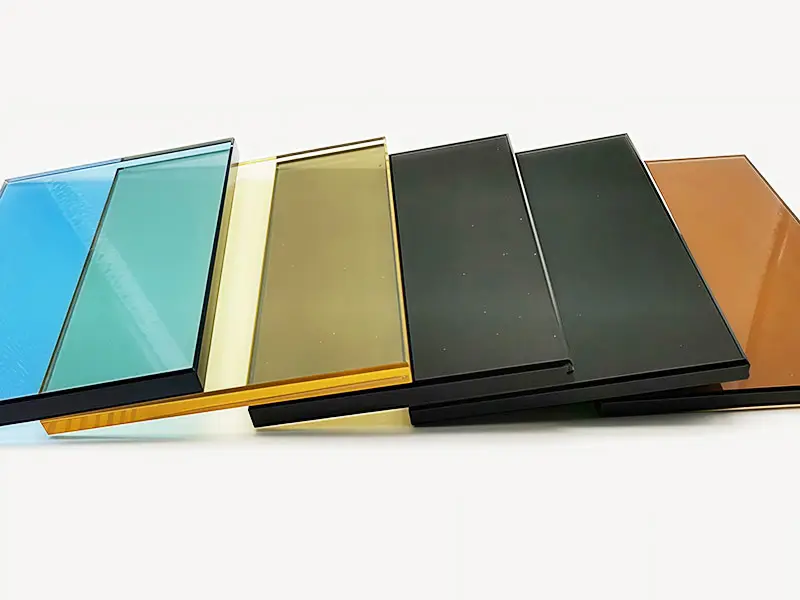
Aesthetics play a crucial role in curtain wall glass design. In 2024, architects are emphasizing unique textures, colors, and finishes to create visually striking facades. **Translucent glass**, for instance, is gaining popularity as it allows natural light to filter through while providing privacy.
Moreover, the trend of using **decorative films** on glass surfaces adds another layer of creativity. These films can mimic various materials, including wood and stone, allowing architects the flexibility to design stunning facades that stand out.
Patterns and digital printing on glass are also on the rise. Custom graphics can be incorporated directly into the glass, allowing for a blend of art and architecture that enhances the overall building design.
3. Smart Glass Technology: The Future of Curtain Walls
The advent of **smart glass technology** is transforming curtain wall systems. This technology enables glass to change its properties in response to external conditions, such as sunlight and temperature. In 2024, we expect to see a significant increase in the usage of **electrochromic glass**, which can tint on demand, reducing glare and heat gain for building occupants.
Additionally, smart glass can be integrated with building management systems to optimize energy use. For instance, sensors can adjust the opacity of the glass in real-time, contributing to enhanced comfort and reduced energy consumption.
4. Energy-Efficient Curtain Wall Systems
Energy efficiency remains a top priority in building design. In 2024, the focus on creating **energy-efficient curtain wall systems** will intensify. High-performance glass, which minimizes heat loss and solar gain, is becoming increasingly common.
**Triple glazing**, which consists of three panes of glass instead of the traditional two, provides superior insulation, making it an attractive option for colder climates. Additionally, the use of argon or krypton gas between the panes enhances thermal performance.
Innovative framing materials, such as thermally broken aluminum, are also gaining traction. These materials reduce thermal bridging, further enhancing the energy efficiency of curtain wall systems.
5. Enhancing Safety: Fire-Resistant and Impact-Resistant Glass
Safety is paramount in building design, and the demand for **fire-resistant and impact-resistant glass** is on the rise. In 2024, architects are increasingly opting for glass that meets stringent safety standards while maintaining aesthetic appeal.
**Fire-rated glass** can withstand high temperatures and prevent the spread of fire, making it essential for high-rise buildings. Meanwhile, impact-resistant glass provides additional protection against extreme weather conditions, vandalism, or accidental impacts. This trend not only enhances safety but also assures building occupants of their well-being.
6. Customization Trends in Curtain Wall Glass
As the architectural landscape continues to evolve, customization is becoming a key trend in curtain wall glass design. In 2024, we anticipate a surge in bespoke solutions tailored to individual project needs.
Architects are increasingly collaborating with manufacturers to create unique glass configurations that meet specific design requirements. This includes variations in size, thickness, and finish. Customization extends to the integration of architectural features such as shading devices and sunshades, providing both functionality and aesthetic value.
7. Integrating Curtain Wall Glass with Other Building Materials
In 2024, we will see a trend towards integrating curtain wall glass with other building materials. The combination of different materials can create dynamic facades, enhancing both functionality and design.
For instance, the use of **composite materials** alongside glass can improve durability and thermal performance. Additionally, integrating green elements, such as living walls and vertical gardens, with curtain wall systems offers a unique approach to urban design, promoting biodiversity and sustainability.
8. Maintenance and Durability Considerations for Curtain Wall Glass
As curtain wall systems become more advanced, the focus on maintenance and durability intensifies. In 2024, architects and builders are prioritizing easy-to-maintain materials that can withstand the test of time.
Self-cleaning glass, which utilizes a special coating to break down dirt and grime, is gaining popularity. This technology not only reduces maintenance costs but also maintains the aesthetic appeal of the building. Furthermore, manufacturers are investing in durable sealants and weatherproofing solutions to enhance the longevity of curtain wall systems.
9. Frequently Asked Questions (FAQs)
1. What are curtain walls made of?
Curtain walls are typically made from a combination of materials, including glass, aluminum, and various composite materials that enhance durability and energy efficiency.
2. What is the purpose of a curtain wall?
The primary purpose of a curtain wall is to provide a non-structural exterior facade that offers protection from the elements while allowing natural light to penetrate the interior of the building.
3. How does smart glass work?
Smart glass utilizes electrochromic or thermochromic technology to change its opacity based on external conditions, allowing for better light management and energy efficiency.
4. What are the benefits of using energy-efficient curtain wall systems?
Energy-efficient curtain wall systems reduce energy consumption, improve occupant comfort, and can contribute to lower operational costs for buildings.
5. Why is customization important in curtain wall design?
Customization allows architects to create unique building facades that meet specific aesthetic and functional requirements, enhancing the overall architectural vision.
10. Conclusion
The trends in curtain wall glass design for 2024 reflect a growing emphasis on sustainability, safety, and aesthetic appeal. As architects and builders navigate the complexities of modern construction, the innovations in curtain wall systems pave the way for smarter, more efficient, and visually striking buildings. By embracing these trends, the architectural community can create structures that not only meet the demands of today but also inspire future generations. As we move forward, the integration of technology, sustainability, and design will undoubtedly continue to shape the future of curtain wall glass in the architectural landscape.
TAG:
Related Posts
Top Trends in Curtain Wall Glass Design for 2024: Embracing Innovation and Sustainability


MESSAGES
We will contact you within one working day. Please pay attention to your email.