
Understanding Flat and Curved Tempered Glass: Key Insights for Professionals
2026-02-01

Tempered glass, also known as toughened glass, is a type of safety glass that has been processed through controlled thermal treatments to increase its strength compared to normal glass. It is widely used in various applications, particularly in the building and decorative materials sector. This article delves into two prominent forms of tempered glass: flat and curved, both of which serve unique p
Tempered glass, also known as toughened glass, is a type of safety glass that has been processed through controlled thermal treatments to increase its strength compared to normal glass. It is widely used in various applications, particularly in the building and decorative materials sector. This article delves into two prominent forms of tempered glass: flat and curved, both of which serve unique purposes in architectural designs.
**Flat Tempered Glass**
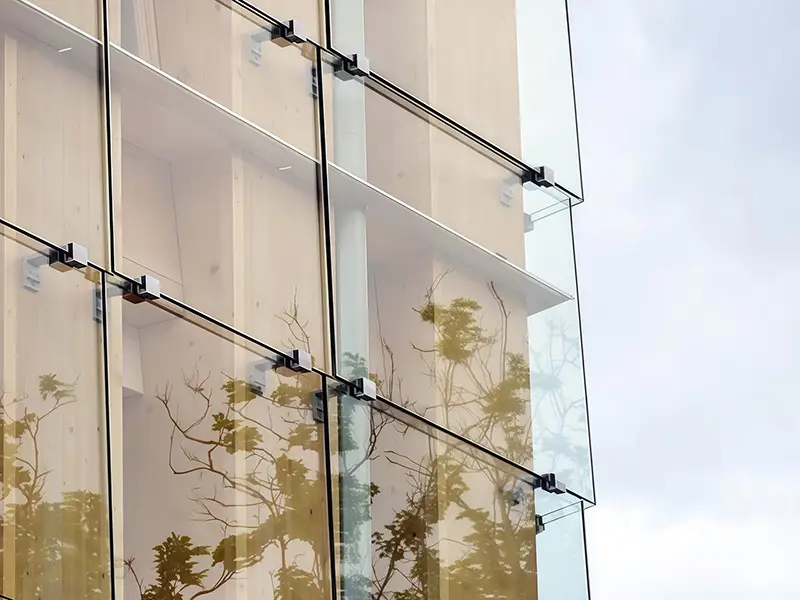
Flat tempered glass is produced by heating glass sheets to high temperatures and then rapidly cooling them. This process enhances the glass's strength, making it more resistant to impact and thermal stress. Flat tempered glass is commonly used in windows, doors, facades, and interior partitions. One of the significant advantages of flat tempered glass is its ability to provide clarity and transparency, which is essential for modern architectural designs. Furthermore, it can be treated with various coatings to improve energy efficiency and UV protection.
While flat tempered glass offers numerous benefits, it is essential to consider its installation and maintenance. Proper handling is crucial, as improper installation can lead to breakage or compromised structural integrity. Professionals in the architecture and construction fields often recommend using certified installers to ensure the optimal performance of flat tempered glass.
**Curved Tempered Glass**
On the other hand, curved tempered glass is shaped through a process that involves bending flat glass sheets while they are heated. This type of glass is often used in applications that require a distinctive aesthetic appeal, such as in the design of modern buildings, curved facades, and decorative elements. The use of curved tempered glass can create a sense of fluidity and movement in architectural designs, allowing for innovative and eye-catching structures.
Like flat tempered glass, curved tempered glass is also subjected to thermal strengthening, making it more durable and safer than ordinary glass. However, the production of curved tempered glass can be more complex and costly due to the shaping process. Therefore, architects and designers should collaborate closely with manufacturers to ensure that the specific requirements of their projects are met.
**Conclusion**
Both flat and curved tempered glass play vital roles in contemporary architecture. Their unique properties not only enhance safety but also contribute significantly to the aesthetic qualities of buildings. For professionals in the construction and design sectors, understanding the differences and applications of these two types of tempered glass is crucial for making informed decisions that align with project goals. As the industry continues to evolve, the demand for innovative and high-quality glass solutions will likely increase, making it imperative to stay informed about the latest advancements in glass technology.
**Flat Tempered Glass**
Flat tempered glass is produced by heating glass sheets to high temperatures and then rapidly cooling them. This process enhances the glass's strength, making it more resistant to impact and thermal stress. Flat tempered glass is commonly used in windows, doors, facades, and interior partitions. One of the significant advantages of flat tempered glass is its ability to provide clarity and transparency, which is essential for modern architectural designs. Furthermore, it can be treated with various coatings to improve energy efficiency and UV protection.
While flat tempered glass offers numerous benefits, it is essential to consider its installation and maintenance. Proper handling is crucial, as improper installation can lead to breakage or compromised structural integrity. Professionals in the architecture and construction fields often recommend using certified installers to ensure the optimal performance of flat tempered glass.
**Curved Tempered Glass**
On the other hand, curved tempered glass is shaped through a process that involves bending flat glass sheets while they are heated. This type of glass is often used in applications that require a distinctive aesthetic appeal, such as in the design of modern buildings, curved facades, and decorative elements. The use of curved tempered glass can create a sense of fluidity and movement in architectural designs, allowing for innovative and eye-catching structures.
Like flat tempered glass, curved tempered glass is also subjected to thermal strengthening, making it more durable and safer than ordinary glass. However, the production of curved tempered glass can be more complex and costly due to the shaping process. Therefore, architects and designers should collaborate closely with manufacturers to ensure that the specific requirements of their projects are met.
**Conclusion**
Both flat and curved tempered glass play vital roles in contemporary architecture. Their unique properties not only enhance safety but also contribute significantly to the aesthetic qualities of buildings. For professionals in the construction and design sectors, understanding the differences and applications of these two types of tempered glass is crucial for making informed decisions that align with project goals. As the industry continues to evolve, the demand for innovative and high-quality glass solutions will likely increase, making it imperative to stay informed about the latest advancements in glass technology.
TAG:
Related Posts

Understanding Flat and Curved Tempered Glass: Key Insights for Professionals
Tempered glass, also known as toughened glass, is a type of safety glass that has been processed through controlled thermal treatments to increase its strength compared to normal glass. It is widely used in various applications, particularly in the building and decorative materials sector. This article delves into two prominent forms of tempered glass: flat and curved, both of which serve unique p


MESSAGES
We will contact you within one working day. Please pay attention to your email.