
The Benefits and Applications of Laminated Glass in Modern Architecture
2026-02-13

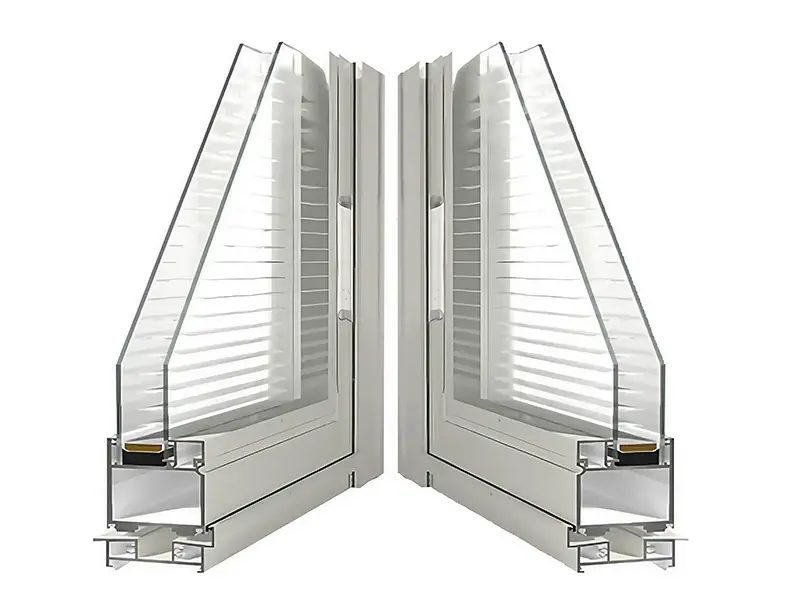
Laminated glass is created by sandwiching a layer of polyvinyl butyral (PVB) or another interlayer material between two or more layers of glass. This unique composition not only provides structural integrity but also offers numerous benefits that are particularly valuable in the context of modern architecture.
One of the most significant advantages of laminated glass is its enhanced safety feature
Laminated glass is created by sandwiching a layer of polyvinyl butyral (PVB) or another interlayer material between two or more layers of glass. This unique composition not only provides structural integrity but also offers numerous benefits that are particularly valuable in the context of modern architecture.
One of the most significant advantages of laminated glass is its enhanced safety features. In the event of breakage, the interlayer holds the glass fragments together, thus preventing shattering and reducing the risk of injury. This makes laminated glass an ideal choice for applications where safety is a high priority, such as in facades, skylights, and glass railings.
In addition to safety, laminated glass also provides superior sound insulation. The interlayer effectively dampens sound waves, making it an excellent option for buildings located in noisy environments, such as urban areas or near highways. By incorporating laminated glass into their designs, architects can create quieter indoor spaces that improve the overall comfort of occupants.
Moreover, laminated glass offers UV protection, blocking up to 99% of harmful ultraviolet rays. This feature helps preserve the integrity of indoor furnishings and materials, reducing the risk of fading and damage over time. As a result, laminated glass can be particularly beneficial in spaces with large windows or glass walls that expose interiors to sunlight for extended periods.
Aesthetically, laminated glass provides design flexibility. It can be produced in various colors, textures, and patterns, allowing architects and designers to achieve their desired visual effects. Additionally, laminated glass can be used in creative ways, such as incorporating printed images or graphics between layers, thus adding a unique artistic element to buildings.
The applications of laminated glass in the construction and decoration sectors are vast. It is commonly used in storefronts, overhead glazing, and partitions, as well as for decorative purposes in residential and commercial buildings. Its combination of safety, acoustic performance, and design versatility makes laminated glass a preferred material for many architects and builders.
In conclusion, laminated glass stands out as a crucial component in modern architecture, providing enhanced safety, sound insulation, UV protection, and aesthetic potential. Its unique properties and diverse applications make it an essential choice for professionals in the building and decorative materials industry. By understanding the benefits of laminated glass, architects and designers can leverage this material to create innovative and functional spaces that meet contemporary demands.
One of the most significant advantages of laminated glass is its enhanced safety features. In the event of breakage, the interlayer holds the glass fragments together, thus preventing shattering and reducing the risk of injury. This makes laminated glass an ideal choice for applications where safety is a high priority, such as in facades, skylights, and glass railings.
In addition to safety, laminated glass also provides superior sound insulation. The interlayer effectively dampens sound waves, making it an excellent option for buildings located in noisy environments, such as urban areas or near highways. By incorporating laminated glass into their designs, architects can create quieter indoor spaces that improve the overall comfort of occupants.
Moreover, laminated glass offers UV protection, blocking up to 99% of harmful ultraviolet rays. This feature helps preserve the integrity of indoor furnishings and materials, reducing the risk of fading and damage over time. As a result, laminated glass can be particularly beneficial in spaces with large windows or glass walls that expose interiors to sunlight for extended periods.
Aesthetically, laminated glass provides design flexibility. It can be produced in various colors, textures, and patterns, allowing architects and designers to achieve their desired visual effects. Additionally, laminated glass can be used in creative ways, such as incorporating printed images or graphics between layers, thus adding a unique artistic element to buildings.
The applications of laminated glass in the construction and decoration sectors are vast. It is commonly used in storefronts, overhead glazing, and partitions, as well as for decorative purposes in residential and commercial buildings. Its combination of safety, acoustic performance, and design versatility makes laminated glass a preferred material for many architects and builders.
In conclusion, laminated glass stands out as a crucial component in modern architecture, providing enhanced safety, sound insulation, UV protection, and aesthetic potential. Its unique properties and diverse applications make it an essential choice for professionals in the building and decorative materials industry. By understanding the benefits of laminated glass, architects and designers can leverage this material to create innovative and functional spaces that meet contemporary demands.
TAG:
Related Posts

The Benefits and Applications of Laminated Glass in Modern Architecture
Laminated glass is created by sandwiching a layer of polyvinyl butyral (PVB) or another interlayer material between two or more layers of glass. This unique composition not only provides structural integrity but also offers numerous benefits that are particularly valuable in the context of modern architecture.
One of the most significant advantages of laminated glass is its enhanced safety feature


MESSAGES
We will contact you within one working day. Please pay attention to your email.