
Curtain Wall Glass in the Context of Modern Urban Planning: A Comprehensive Analysis
2026-02-28

Curtain Wall Glass in the Context of Modern Urban Planning
Introduction to Curtain Wall Glass
In the realm of **modern architecture**, curtain wall glass systems are pivotal. This innovative element not only enhances the visual appeal of buildings but also offers a myriad of functional benefits. As cities evolve, the demand for versatile and efficient building materials grows, positioning curtai
Curtain Wall Glass in the Context of Modern Urban Planning
Introduction to Curtain Wall Glass
In the realm of **modern architecture**, curtain wall glass systems are pivotal. This innovative element not only enhances the visual appeal of buildings but also offers a myriad of functional benefits. As cities evolve, the demand for versatile and efficient building materials grows, positioning curtain wall glass as a cornerstone of **urban design**.
The Role of Curtain Wall Glass in Urban Architecture
Curtain wall glass serves several essential functions in the **urban landscape**. It acts as a non-structural outer covering for buildings, providing aesthetic value while allowing natural light to permeate interior spaces. This feature is crucial in densely populated urban areas, where maximizing light and minimizing energy consumption is increasingly vital.
1. Aesthetic Appeal and Urban Identity
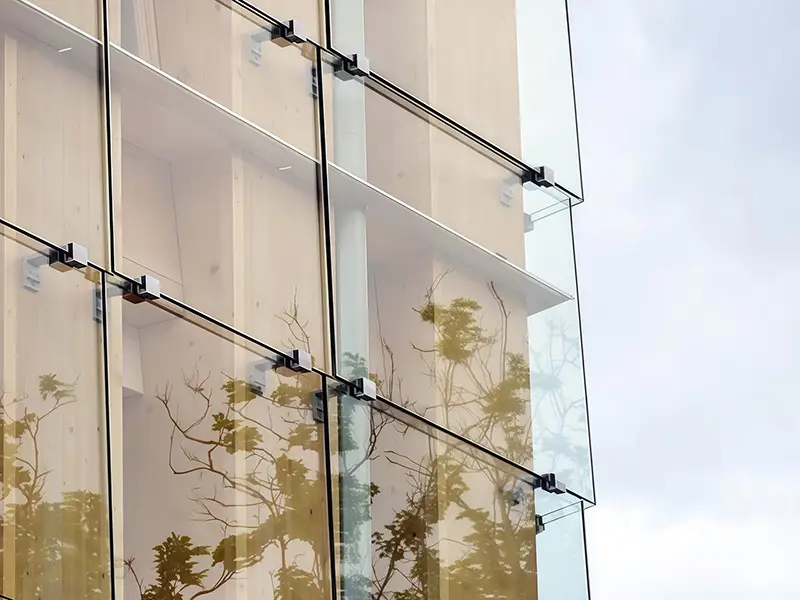
Cities today are defined by their skyline. **Curtain wall glass** contributes to this identity by offering sleek and modern facades. Architects utilize different glass types, colors, and textures to create unique visual statements. The reflective properties of glass can also enhance the surrounding environment by mirroring the cityscape, thus integrating buildings into their urban context.
2. Functional Benefits of Curtain Wall Systems
Beyond aesthetics, curtain wall systems provide numerous practical advantages. These include:
- **Thermal Efficiency**: High-performance glass minimizes heat loss, contributing to energy savings and reducing utility costs.
- **Sound Insulation**: Properly installed curtain wall systems can significantly reduce noise pollution, creating a more comfortable indoor environment.
- **Weather Resistance**: Modern curtain wall materials are engineered to withstand various climatic conditions, ensuring durability and longevity.
Types of Curtain Wall Glass
Not all curtain wall glass is created equal. Understanding the different types can help in making informed architectural decisions.
1. Insulated Glass Units (IGUs)
Insulated Glass Units are composed of two or more glass panes separated by a spacer and sealed to create an air space that enhances thermal performance. IGUs are essential in reducing energy consumption within buildings.
2. Low-Emissivity (Low-E) Glass
Low-E glass features a thin metallic coating that reflects heat while allowing visible light to pass through. This type of glass is increasingly popular in urban buildings as it improves energy efficiency without compromising natural light.
3. Laminated Glass
Laminated glass consists of two or more layers of glass bonded with a plastic interlayer. This type of curtain wall glass is ideal for safety and sound insulation, making it suitable for urban environments with high traffic and noise levels.
Impact of Curtain Wall Glass on Urban Sustainability
As cities strive for sustainability, curtain wall glass plays a critical role in environmentally friendly construction.
1. Energy Efficiency
The integration of energy-efficient glass systems contributes significantly to reducing a building's carbon footprint. By utilizing natural daylight and minimizing reliance on artificial lighting, buildings can achieve substantial energy savings.
2. Sustainable Materials
Many manufacturers are now offering eco-friendly glass products made from recycled materials or with lower environmental impact. This trend aligns with urban planning goals focused on sustainability and resource conservation.
3. Green Building Certifications
The use of curtain wall glass can contribute to obtaining various green building certifications, such as LEED (Leadership in Energy and Environmental Design). These certifications not only enhance a building's marketability but also demonstrate a commitment to sustainability.
Curtain Wall Glass: Challenges and Considerations
Despite its numerous benefits, there are challenges associated with the implementation of curtain wall glass in urban planning.
1. Cost Implications
High-quality curtain wall glass systems can be cost-prohibitive, especially for smaller projects. However, when considering long-term energy savings, these costs may be justified.
2. Maintenance Requirements
While curtain wall glass is durable, it requires regular maintenance to ensure longevity and performance. Cleaning and inspecting the glass and framing systems can be labor-intensive, particularly in large urban buildings.
3. Structural Limitations
In high-rise buildings, curtain wall systems must be designed to withstand wind loads and seismic activities. Careful engineering and design considerations are essential to ensure safety and structural integrity.
Case Studies: Successful Implementation of Curtain Wall Glass
Several notable projects around the world illustrate the successful integration of curtain wall glass in urban planning.
1. The Shard, London
As one of the tallest buildings in Europe, The Shard features an extensive curtain wall system that enhances its iconic silhouette while allowing for natural light to fill interior spaces. Its energy-efficient glass significantly contributes to the building's sustainability goals.
2. One World Trade Center, New York
This landmark building utilizes a sophisticated curtain wall system designed for both aesthetics and resilience. The low-E glass contributes to energy efficiency, while the overall design reflects the building's commitment to sustainability and modern urban identity.
3. Bosco Verticale, Milan
This innovative residential project consists of two residential towers covered in greenery and curtain wall glass. The design not only provides residents with stunning views but also promotes biodiversity and energy efficiency in the heart of Milan.
Future Trends in Curtain Wall Glass Technology
The future of curtain wall glass is poised for exciting advancements.
1. Smart Glass
The rise of smart glass technology allows for dynamic control of light and heat. These systems can adapt to changing environmental conditions, enhancing energy efficiency and occupant comfort.
2. Advanced Coatings
New developments in glass coatings can improve energy performance even further. These innovations aim to maximize light transmittance while minimizing solar heat gain.
3. Integration with Renewable Energy
Future curtain wall systems may incorporate photovoltaic glass, allowing buildings to generate their own energy. This integration aligns with the growing trend of renewable energy sources in urban planning.
FAQs About Curtain Wall Glass and Urban Planning
1. What are the primary benefits of using curtain wall glass in urban buildings?
Curtain wall glass offers aesthetic appeal, thermal efficiency, sound insulation, and weather resistance, making it ideal for modern urban architecture.
2. How does curtain wall glass contribute to sustainability?
By maximizing natural light and reducing energy consumption, curtain wall glass plays a significant role in sustainable building practices and can help achieve green certifications.
3. What are the different types of curtain wall glass available?
The main types include insulated glass units (IGUs), low-emissivity (Low-E) glass, and laminated glass, each with specific benefits.
4. What challenges are associated with curtain wall glass systems?
Challenges include cost implications, maintenance requirements, and structural limitations, especially in high-rise buildings.
5. How is curtain wall glass expected to evolve in the future?
Future trends include smart glass technology, advanced coatings, and the integration of renewable energy sources such as photovoltaic glass.
Conclusion
Curtain wall glass plays a vital role in the context of modern urban planning. With its combination of aesthetic appeal, energy efficiency, and sustainability, it is an indispensable component in the architecture of contemporary cities. As technology advances and urban landscapes continue to evolve, the potential of curtain wall systems will undoubtedly expand, shaping the way we design and inhabit urban spaces for generations to come. By adopting innovative glass solutions, architects and urban planners can create environments that are not only visually striking but also sustainable and efficient.
TAG:
Previous
Related Posts
Curtain Wall Glass in the Context of Modern Urban Planning: A Comprehensive Analysis
Curtain Wall Glass in the Context of Modern Urban Planning
Introduction to Curtain Wall Glass
In the realm of **modern architecture**, curtain wall glass systems are pivotal. This innovative element not only enhances the visual appeal of buildings but also offers a myriad of functional benefits. As cities evolve, the demand for versatile and efficient building materials grows, positioning curtai


MESSAGES
We will contact you within one working day. Please pay attention to your email.