
Glass Partitions vs. Traditional Walls: Which Is Better for You?
2026-02-22

Glass Partitions vs. Traditional Walls: Which Is Better for You?
Table of Contents
1. Introduction to Glass Partitions and Traditional Walls
2. Understanding Glass Partitions
2.1 What Are Glass Partitions?
2.2 Types of Glass Partitions
3. Exploring Traditional Walls
3.1 What Are Traditional Walls?
3.2 Types of Traditional Walls
4. Aesthetic Appeal: Glass Partitions vs. Traditional Walls
5. Functio
Glass Partitions vs. Traditional Walls: Which Is Better for You?
Table of Contents
1. Introduction to Glass Partitions and Traditional Walls
2. Understanding Glass Partitions
2.1 What Are Glass Partitions?
2.2 Types of Glass Partitions
3. Exploring Traditional Walls
3.1 What Are Traditional Walls?
3.2 Types of Traditional Walls
4. Aesthetic Appeal: Glass Partitions vs. Traditional Walls
5. Functionality and Space Utilization
5.1 Natural Light and Visibility
5.2 Flexibility in Design
6. Cost Considerations: Budgeting for Glass vs. Traditional Walls
7. Acoustic Performance: Which Offers Better Sound Insulation?
8. Maintenance and Durability
9. Environmental Impact: Glass Partitions or Traditional Walls?
10. Conclusion: Making the Right Choice for Your Space
11. Frequently Asked Questions (FAQs)
1. Introduction to Glass Partitions and Traditional Walls
In the world of interior design and architecture, the choice between **glass partitions** and **traditional walls** is a pivotal decision that can significantly affect the functionality and aesthetics of a space. As open layouts gain popularity, many individuals and businesses are contemplating which option serves their needs best. This article examines these two alternatives, offering insights into their strengths and weaknesses, and ultimately guiding you to make the right choice for your environment.
2. Understanding Glass Partitions
2.1 What Are Glass Partitions?
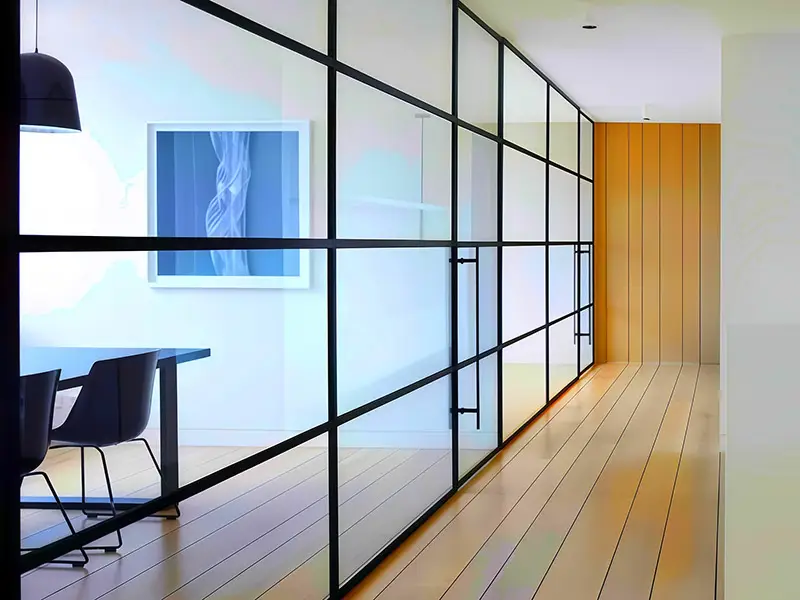
**Glass partitions** are transparent or translucent walls that serve to divide spaces without obstructing light or visibility. They are often used in commercial environments, such as offices, to create private work areas while maintaining an open and airy feel. By allowing natural light to permeate, glass partitions enhance the overall ambiance and make spaces feel larger.
2.2 Types of Glass Partitions
There are several types of glass partitions available, each with unique characteristics:
- **Frameless Glass Partitions**: These offer a sleek, modern aesthetic, utilizing minimal hardware for a seamless look.
- **Framed Glass Partitions**: These incorporate metal or wooden frames, providing more structural support while still allowing light to flow through.
- **Movable Glass Partitions**: Ideal for dynamic environments, these partitions can be reconfigured to alter room layouts as needed.
3. Exploring Traditional Walls
3.1 What Are Traditional Walls?
**Traditional walls** are solid structures, typically made from materials like drywall, brick, or concrete, used to define spaces within a building. They provide privacy and noise insulation, making them a popular choice for residential and commercial applications.
3.2 Types of Traditional Walls
Traditional walls come in various forms:
- **Load-Bearing Walls**: These structural elements support the weight of the building above.
- **Non-Load-Bearing Walls**: These walls serve to partition space without contributing to the structural integrity of the building.
- **Curtain Walls**: Often used in commercial buildings, these are non-structural and hang from the building frame.
4. Aesthetic Appeal: Glass Partitions vs. Traditional Walls
Aesthetics play a crucial role in the decision-making process. **Glass partitions** are synonymous with modern design, offering a sleek and contemporary look that can elevate any space. They create an illusion of openness and can be adorned with decorative film for added privacy. In contrast, **traditional walls** provide a sense of warmth and security, allowing for a variety of finishes and colors that can reflect personal style and design themes.
5. Functionality and Space Utilization
When it comes to functionality, each option has its distinct advantages.
5.1 Natural Light and Visibility
One of the significant benefits of glass partitions is their ability to allow **natural light** to flow freely throughout a space. This illumination can enhance mood and productivity, particularly in office settings. Traditional walls, while excellent for privacy, often create darker environments unless supplemented with additional lighting solutions.
5.2 Flexibility in Design
Glass partitions offer a unique level of flexibility in design. They can be easily moved or reconfigured, adapting to changing needs over time. Traditional walls, while more permanent, can limit reconfiguration options without extensive renovations.
6. Cost Considerations: Budgeting for Glass vs. Traditional Walls
Cost is a critical factor in any building project. Glass partitions typically have a higher upfront cost due to the materials and installation requirements. However, they can save money in the long run by reducing lighting costs and enhancing the overall appeal of a space, potentially increasing property value. Traditional walls are often more budget-friendly initially but may require additional investments in lighting and finishes to achieve a desired look.
7. Acoustic Performance: Which Offers Better Sound Insulation?
**Acoustic performance** is vital for maintaining privacy and minimizing noise in shared spaces. Traditional walls typically provide superior sound insulation due to their solid construction, making them ideal for offices, conference rooms, and residential areas where quiet is essential. Glass partitions, while stylish, may require additional soundproofing measures to ensure adequate noise control.
8. Maintenance and Durability
Both glass partitions and traditional walls require maintenance, but the nature of that maintenance differs. Glass partitions can show fingerprints and dust more readily, necessitating regular cleaning to maintain their aesthetic appeal. Traditional walls may require repainting, patching, or refinishing over time, particularly in high-traffic areas. The choice between the two may depend on the level of maintenance you are willing to commit to.
9. Environmental Impact: Glass Partitions or Traditional Walls?
Sustainability is becoming increasingly important in building materials. Glass partitions can be more environmentally friendly if sourced from recycled materials and designed for energy efficiency. They can help reduce energy consumption by maximizing natural light. Traditional walls, depending on the materials used, can have a more significant environmental footprint. When considering environmental impact, evaluate the materials' sustainability and the building's overall energy efficiency.
10. Conclusion: Making the Right Choice for Your Space
Choosing between glass partitions and traditional walls ultimately comes down to your specific needs, budget, and design preferences. **Glass partitions** offer a modern, flexible solution that enhances natural light and visual connectivity, making them ideal for contemporary workspaces. In contrast, **traditional walls** provide durability, acoustic performance, and design versatility, suitable for various environments. Assess all factors carefully, and consider your long-term goals to make the best decision for your space.
11. Frequently Asked Questions (FAQs)
1. Are glass partitions more expensive than traditional walls?
Yes, glass partitions typically have a higher initial cost due to materials and installation but can provide long-term energy savings.
2. How do glass partitions affect natural light in a space?
Glass partitions allow natural light to flow freely, creating a brighter and more open environment compared to traditional walls.
3. Which option provides better sound insulation?
Traditional walls generally offer superior sound insulation, making them more suitable for spaces requiring privacy.
4. Can glass partitions be customized for privacy?
Yes, glass partitions can be customized with frosted or decorative films to enhance privacy without sacrificing light.
5. How do maintenance requirements differ between the two options?
Glass partitions require regular cleaning to maintain clarity, while traditional walls may need repainting or refinishing over time.
By understanding the various aspects of both glass partitions and traditional walls, we empower you to make a choice that aligns with your vision, needs, and budget. Your space should reflect your values, functionality, and aesthetic preferences, and both options offer unique benefits to achieve that goal.
TAG:
Previous
Related Posts
Glass Partitions vs. Traditional Walls: Which Is Better for You?
Glass Partitions vs. Traditional Walls: Which Is Better for You?
Table of Contents
1. Introduction to Glass Partitions and Traditional Walls
2. Understanding Glass Partitions
2.1 What Are Glass Partitions?
2.2 Types of Glass Partitions
3. Exploring Traditional Walls
3.1 What Are Traditional Walls?
3.2 Types of Traditional Walls
4. Aesthetic Appeal: Glass Partitions vs. Traditional Walls
5. Functio


MESSAGES
We will contact you within one working day. Please pay attention to your email.