
Understanding Flat and Curved Tempered Glass in Modern Architecture
2026-04-02

Flat and curved tempered glass are integral components in modern architectural design, offering a blend of aesthetic appeal and functional durability. This type of glass is produced through a heat treatment process that increases its strength and thermal resistance, making it a preferred choice in various construction and decoration applications.
**Flat Tempered Glass**
Flat tempered glass is wi
Flat and curved tempered glass are integral components in modern architectural design, offering a blend of aesthetic appeal and functional durability. This type of glass is produced through a heat treatment process that increases its strength and thermal resistance, making it a preferred choice in various construction and decoration applications.
**Flat Tempered Glass**
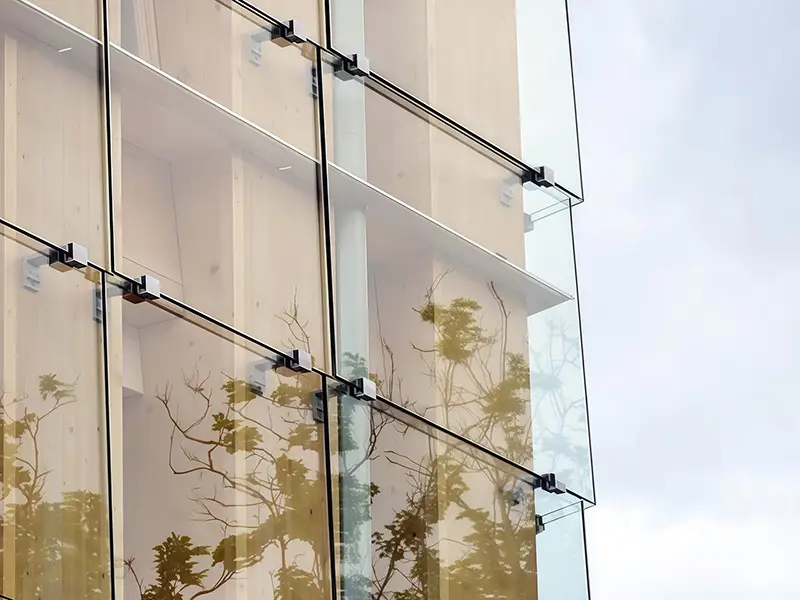
Flat tempered glass is widely recognized for its versatility and is commonly used in windows, doors, and facades. It can be cut, drilled, and polished to meet specific design requirements, offering a sleek appearance that complements contemporary architecture. One of its primary advantages is safety; when shattered, flat tempered glass breaks into small, blunt pieces, significantly reducing the risk of injury. Additionally, its resistance to temperature changes makes it suitable for environments with varying climatic conditions.
**Curved Tempered Glass**
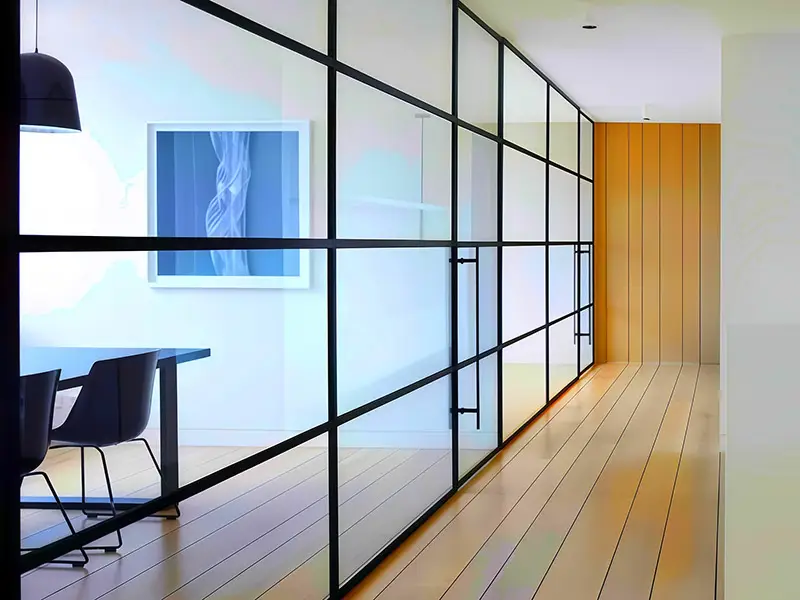
Curved tempered glass offers a unique aesthetic and is increasingly popular in modern architecture for its ability to create dynamic shapes and forms. It is used in applications such as curved facades, skylights, and glass partitions. The process of creating curved tempered glass involves heating the glass to a pliable state before shaping it into the desired form, followed by rapid cooling to enhance its strength. This type of glass not only provides architectural flexibility but also allows for innovative designs that can transform spaces.
**Applications and Benefits**
Both flat and curved tempered glass serve various functions in building design, from enhancing natural light to improving energy efficiency. They can be treated with coatings to provide additional benefits, such as UV protection and glare reduction. In commercial settings, these glass types contribute to a modern aesthetic, attracting clients and enhancing brand visibility. Their ability to withstand environmental stresses makes them a reliable choice for both interior and exterior applications.
**Considerations for Use**
When selecting flat or curved tempered glass for a project, it is crucial to consider factors such as thickness, size, and the specific requirements of the installation environment. Collaborating with experienced fabricators can ensure that the glass is produced to meet industry standards and design specifications. Additionally, it is essential to be aware of local building codes and regulations related to the use of tempered glass to ensure compliance and safety.
In conclusion, flat and curved tempered glass are vital materials in the building and decorative arts industry, offering both functionality and design versatility. Understanding their properties and applications can empower architects and designers to create safer, more visually appealing environments.
**Flat Tempered Glass**
Flat tempered glass is widely recognized for its versatility and is commonly used in windows, doors, and facades. It can be cut, drilled, and polished to meet specific design requirements, offering a sleek appearance that complements contemporary architecture. One of its primary advantages is safety; when shattered, flat tempered glass breaks into small, blunt pieces, significantly reducing the risk of injury. Additionally, its resistance to temperature changes makes it suitable for environments with varying climatic conditions.
**Curved Tempered Glass**
Curved tempered glass offers a unique aesthetic and is increasingly popular in modern architecture for its ability to create dynamic shapes and forms. It is used in applications such as curved facades, skylights, and glass partitions. The process of creating curved tempered glass involves heating the glass to a pliable state before shaping it into the desired form, followed by rapid cooling to enhance its strength. This type of glass not only provides architectural flexibility but also allows for innovative designs that can transform spaces.
**Applications and Benefits**
Both flat and curved tempered glass serve various functions in building design, from enhancing natural light to improving energy efficiency. They can be treated with coatings to provide additional benefits, such as UV protection and glare reduction. In commercial settings, these glass types contribute to a modern aesthetic, attracting clients and enhancing brand visibility. Their ability to withstand environmental stresses makes them a reliable choice for both interior and exterior applications.
**Considerations for Use**
When selecting flat or curved tempered glass for a project, it is crucial to consider factors such as thickness, size, and the specific requirements of the installation environment. Collaborating with experienced fabricators can ensure that the glass is produced to meet industry standards and design specifications. Additionally, it is essential to be aware of local building codes and regulations related to the use of tempered glass to ensure compliance and safety.
In conclusion, flat and curved tempered glass are vital materials in the building and decorative arts industry, offering both functionality and design versatility. Understanding their properties and applications can empower architects and designers to create safer, more visually appealing environments.
TAG:
Related Posts

Understanding Flat and Curved Tempered Glass in Modern Architecture
Flat and curved tempered glass are integral components in modern architectural design, offering a blend of aesthetic appeal and functional durability. This type of glass is produced through a heat treatment process that increases its strength and thermal resistance, making it a preferred choice in various construction and decoration applications.
**Flat Tempered Glass**
Flat tempered glass is wi

MESSAGES
We will contact you within one working day. Please pay attention to your email.