Exploring the Versatility of Flat and Curved Tempered Glass in Modern Architecture
2026-06-01

Flat and curved tempered glass has become increasingly prominent in the building and decorative materials sector, offering a blend of strength, safety, and design flexibility. Tempered glass, which undergoes a rigorous heating and cooling process, is renowned for its increased durability and ability to withstand thermal stress. This makes it an ideal choice for a variety of architectural applicati
Flat and curved tempered glass has become increasingly prominent in the building and decorative materials sector, offering a blend of strength, safety, and design flexibility. Tempered glass, which undergoes a rigorous heating and cooling process, is renowned for its increased durability and ability to withstand thermal stress. This makes it an ideal choice for a variety of architectural applications.
Flat tempered glass is widely used in facades, windows, and doors, providing unobstructed views and maximizing natural light. Its flat surface allows for easy installation and is compatible with a range of framing systems. Moreover, the strength of flat tempered glass is significantly enhanced compared to standard glass, making it resistant to breakage under normal conditions. It can also be manufactured in various thicknesses, accommodating different structural requirements and aesthetic preferences.
On the other hand, curved tempered glass offers unique design opportunities that flat glass cannot. It is often used in applications such as custom skylights, partitions, and balustrades, where smooth, flowing lines are desired. The bending process of curved tempered glass must be meticulously controlled to ensure uniform thickness and structural integrity. The result is a visually striking element that enhances the overall design of a space. Architects often choose curved tempered glass to create dynamic and innovative building designs that stand out.
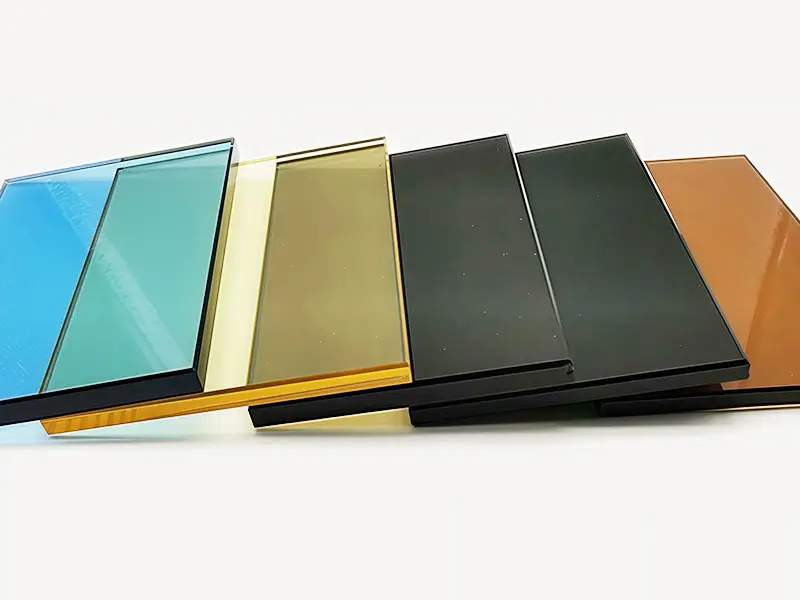
Both flat and curved tempered glass are available in various finishes and can be customized to meet specific project needs. Options like frosted, tinted, or reflective surfaces not only contribute to aesthetic goals but also improve energy efficiency by reducing heat gain and glare. Additionally, these glass variants can be combined with other materials, such as metal or wood, to create stunning visual contrasts and functional elements.
Safety is a paramount concern in the use of any glass in construction. Tempered glass, when broken, shatters into small, blunt pieces that are less likely to cause injury, making it a safer choice for both residential and commercial applications. Furthermore, many building codes and regulations encourage or require the use of tempered glass in certain installations to enhance safety standards.
In conclusion, flat and curved tempered glass plays a crucial role in modern architecture, providing not just safety and durability but also aesthetic versatility. As the demand for innovative building materials continues to grow, understanding the unique properties and applications of these glass types can empower architects and builders to create exceptional structures that meet both functional and design objectives.
Flat tempered glass is widely used in facades, windows, and doors, providing unobstructed views and maximizing natural light. Its flat surface allows for easy installation and is compatible with a range of framing systems. Moreover, the strength of flat tempered glass is significantly enhanced compared to standard glass, making it resistant to breakage under normal conditions. It can also be manufactured in various thicknesses, accommodating different structural requirements and aesthetic preferences.
On the other hand, curved tempered glass offers unique design opportunities that flat glass cannot. It is often used in applications such as custom skylights, partitions, and balustrades, where smooth, flowing lines are desired. The bending process of curved tempered glass must be meticulously controlled to ensure uniform thickness and structural integrity. The result is a visually striking element that enhances the overall design of a space. Architects often choose curved tempered glass to create dynamic and innovative building designs that stand out.
Both flat and curved tempered glass are available in various finishes and can be customized to meet specific project needs. Options like frosted, tinted, or reflective surfaces not only contribute to aesthetic goals but also improve energy efficiency by reducing heat gain and glare. Additionally, these glass variants can be combined with other materials, such as metal or wood, to create stunning visual contrasts and functional elements.
Safety is a paramount concern in the use of any glass in construction. Tempered glass, when broken, shatters into small, blunt pieces that are less likely to cause injury, making it a safer choice for both residential and commercial applications. Furthermore, many building codes and regulations encourage or require the use of tempered glass in certain installations to enhance safety standards.
In conclusion, flat and curved tempered glass plays a crucial role in modern architecture, providing not just safety and durability but also aesthetic versatility. As the demand for innovative building materials continues to grow, understanding the unique properties and applications of these glass types can empower architects and builders to create exceptional structures that meet both functional and design objectives.
TAG:
Related Posts

Exploring the Unique Qualities of Oil Jade Frosted Glass in Architectural Design
Oil jade frosted glass is becoming increasingly popular in the realm of architectural design and decorative materials. This type of glass is characterized by its unique frosted finish that mimics the serene and elegant appearance of jade, providing a sophisticated touch to any space. Architects and designers are drawn to oil jade frosted glass due to its versatility and ability to blend seamlessly

MESSAGES
We will contact you within one working day. Please pay attention to your email.