
How Insulating Glass Contributes to a Quieter Home Environment
2026-02-16

How Insulating Glass Contributes to a Quieter Home Environment
In today’s fast-paced world, finding a sanctuary within our homes is essential for mental and emotional well-being. One of the most effective solutions to achieve a quieter home environment is the use of insulating glass. This specialized glass not only serves as energy-efficient windows but also plays a pivotal role in soundproofing. In this article, we will delve deep into how insulating glass contributes to a quieter home environment, exploring its features, benefits, and installation tips.
Table of Contents
- Understanding Insulating Glass and Its Construction
- The Science Behind Soundproofing with Insulating Glass
- Benefits of Using Insulating Glass for Noise Reduction
- Installation Techniques for Optimal Performance
- Common Issues with Insulating Glass and Their Solutions
- Additional Soundproofing Options for Enhanced Noise Control
- Understanding Frequency of Noise and Its Impact on Insulation
- Frequently Asked Questions
Understanding Insulating Glass and Its Construction
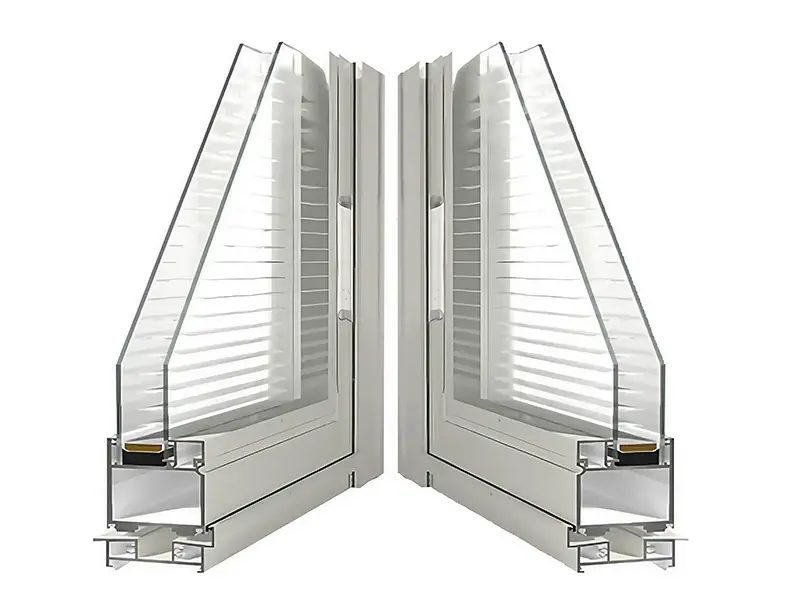
Insulating glass, often referred to as double or triple glazing, consists of two or more panes of glass separated by a space filled with air or gas, such as argon or krypton. This construction not only enhances thermal insulation but also significantly contributes to sound insulation. The **airspace** between the glass panes acts as a buffer that absorbs sound waves, preventing them from traveling through the glass and into your home.
Additionally, the thickness of the glass panes can be varied to optimize sound reduction. **Laminated glass**, which incorporates a layer of plastic between two panes, can further enhance sound insulation by dampening vibrations caused by external noises.
The Science Behind Soundproofing with Insulating Glass
Understanding how sound travels is crucial in appreciating the effectiveness of insulating glass. Sound waves move through air, solid materials, and liquids, with varying efficiency. The **decibel (dB)** level of sound refers to its intensity; the higher the dB level, the louder the sound. Insulating glass can significantly reduce the transmission of sound, thereby lowering the dB levels that penetrate into your home.
The soundproofing capabilities of insulating glass depend on several factors:
- Thickness of Glass: Thicker glass panes provide better sound insulation.
- Type of Gas Used: The type of gas filling the space between the panes can affect sound absorption. For instance, argon is denser than air, enhancing soundproofing.
- Pane Separation: The distance between the glass panes influences sound transmission; greater separation can lead to better sound isolation.
Benefits of Using Insulating Glass for Noise Reduction
Utilizing insulating glass for your windows and doors provides a multitude of benefits, particularly in noise reduction:
1. Enhanced Privacy
Reducing noise from outside enhances your home’s privacy. Insulating glass effectively blocks disruptive sounds from neighbors, traffic, and other external sources.
2. Improved Comfort
A quieter home contributes to overall comfort. By minimizing noise pollution, insulating glass helps create a serene living environment ideal for relaxation, work, or family time.
3. Energy Efficiency
While insulating glass primarily reduces noise, it also serves as an effective energy-efficient solution. The insulating properties help maintain your home’s temperature, reducing heating and cooling costs.
4. Increased Property Value
Homes equipped with insulated glass windows often attract higher property values. Potential buyers recognize the benefits of soundproofing and energy efficiency, making your home more desirable in the real estate market.
Installation Techniques for Optimal Performance
For insulating glass to deliver maximum benefits, proper installation is crucial. Here are some key techniques to consider:
1. Professional Installation
Hiring professionals ensures the correct installation of insulating glass. They possess the expertise to handle various window types and can guarantee a perfect seal, which is essential for both energy efficiency and noise control.
2. Choosing the Right Frame Material
Frame materials can influence the effectiveness of insulating glass. For example, vinyl and fiberglass frames provide better thermal and sound insulation than aluminum frames. Selecting the appropriate frame material can enhance the overall performance of the insulating glass.
3. Sealing and Weatherstripping
Proper sealing and weatherstripping prevent air leaks, which can compromise both energy efficiency and sound insulation. Ensure that all gaps and joints are adequately sealed during installation.
Common Issues with Insulating Glass and Their Solutions
While insulating glass is an excellent choice for noise reduction, it can encounter some common issues:
1. Condensation Between Panes
If you notice condensation forming between the glass panes, it may indicate a seal failure. This issue requires immediate attention to prevent further damage. Replacing the glass unit may be necessary.
2. Frame Deterioration
Over time, window frames can deteriorate, compromising the effectiveness of the insulating glass. Regular maintenance and timely repairs can mitigate this issue.
3. Poor Soundproofing Performance
If you find that your insulating glass is not providing the expected soundproofing, it may be due to improper installation or inadequate thickness. Consulting with a professional for reassessment can help identify the problem.
Additional Soundproofing Options for Enhanced Noise Control
While insulating glass significantly improves sound insulation, combining it with other soundproofing methods can yield even better results:
1. Acoustic Panels
Installing **acoustic panels** on walls can further absorb sound. These panels come in various designs and can enhance both the aesthetic and acoustic properties of your home.
2. Rugs and Carpets
Soft furnishings, such as rugs and carpets, can dampen sound and reduce echo within a room. They provide an additional layer of noise control, particularly in multi-story homes.
3. Heavy Curtains
Using heavy curtains or drapes can block external noises, especially if you live in a busy area. Opting for lined or thermal curtains can enhance their noise-reducing capabilities.
Understanding Frequency of Noise and Its Impact on Insulation
Different types of noise have varying frequencies, and understanding this can help in choosing the right insulating glass:
- Low-Frequency Sounds: These sounds, such as those from traffic or machinery, require thicker glass and larger airspaces for effective insulation.
- High-Frequency Sounds: Sounds like voices or music are generally easier to block. Laminated glass can be particularly effective against these types of sounds.
Frequently Asked Questions
1. How much noise can insulating glass reduce?
Insulating glass can reduce noise levels by up to 50% or more, depending on the thickness of the glass and the design.
2. Is laminated glass better for soundproofing than regular insulating glass?
Yes, laminated glass typically provides superior soundproofing due to its unique construction, which includes a layer of plastic that dampens sound vibrations.
3. Can I install insulating glass myself?
While some homeowners may attempt DIY installation, hiring professionals is recommended to ensure proper sealing and fit, which are critical for soundproofing.
4. How does the frame material affect sound insulation?
Frame materials can influence sound insulation; materials like vinyl and fiberglass provide better performance compared to aluminum, which conducts sound more easily.
5. What is the average lifespan of insulating glass windows?
With proper maintenance, insulating glass windows can last 20 years or more, although this can vary based on climate and usage.
Conclusion
Creating a quieter home environment is within reach with the use of insulating glass. This innovative solution not only enhances soundproofing but also contributes to energy efficiency and comfort. Understanding the construction, benefits, and proper installation techniques of insulating glass enables homeowners to make informed choices that lead to a more peaceful living space. By considering additional soundproofing methods, you can achieve a serene atmosphere that promotes relaxation and well-being, making your home truly your sanctuary.
TAG:
Related Posts

How Insulating Glass Contributes to a Quieter Home Environment


MESSAGES
We will contact you within one working day. Please pay attention to your email.