Exploring Flat and Curved Tempered Glass: Versatile Solutions for Architectural Needs
2026-03-03

Tempered glass, known for its exceptional strength and durability, is an increasingly popular choice in the construction and decorative materials sector. It undergoes a thermal treatment process that makes it approximately five to six times stronger than standard glass, allowing it to withstand high levels of stress and impact. Both flat and curved tempered glass offer unique applications, caterin
Tempered glass, known for its exceptional strength and durability, is an increasingly popular choice in the construction and decorative materials sector. It undergoes a thermal treatment process that makes it approximately five to six times stronger than standard glass, allowing it to withstand high levels of stress and impact. Both flat and curved tempered glass offer unique applications, catering to a variety of architectural and design requirements.
**Flat Tempered Glass**
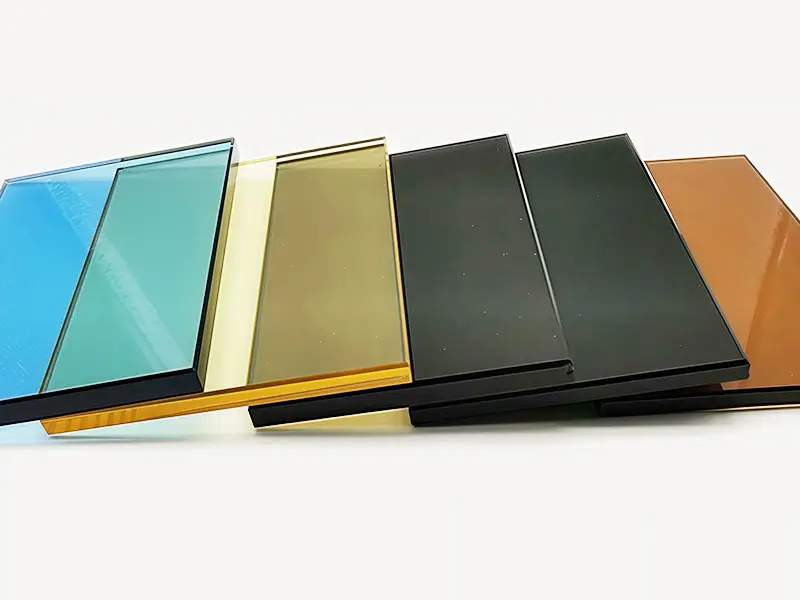
Flat tempered glass is commonly used in a wide range of applications, from windows and doors to facades and glass partitions. Its clarity and transparency provide an unobstructed view, enhancing natural light in interior spaces. This type of glass can also be treated with various coatings to improve energy efficiency or reduce glare. Additionally, flat tempered glass is often used in furniture design, such as tabletops and shelves, where both aesthetics and safety are paramount.
**Curved Tempered Glass**
Curved tempered glass, on the other hand, brings a dynamic element to design. It is shaped through a process that involves heating the glass and then bending it to the desired curvature. This type of glass is frequently utilized in architectural features like skylights, curved facades, and decorative installations. The ability to create fluid shapes allows architects and designers to push the boundaries of creativity, resulting in visually stunning structures that stand out.
**Benefits of Using Tempered Glass**
One of the most significant advantages of using flat and curved tempered glass is its safety features. In the event of breakage, tempered glass shatters into small, blunt pieces, reducing the risk of injury. This makes it an ideal choice for high-traffic areas and public spaces where safety is a concern.
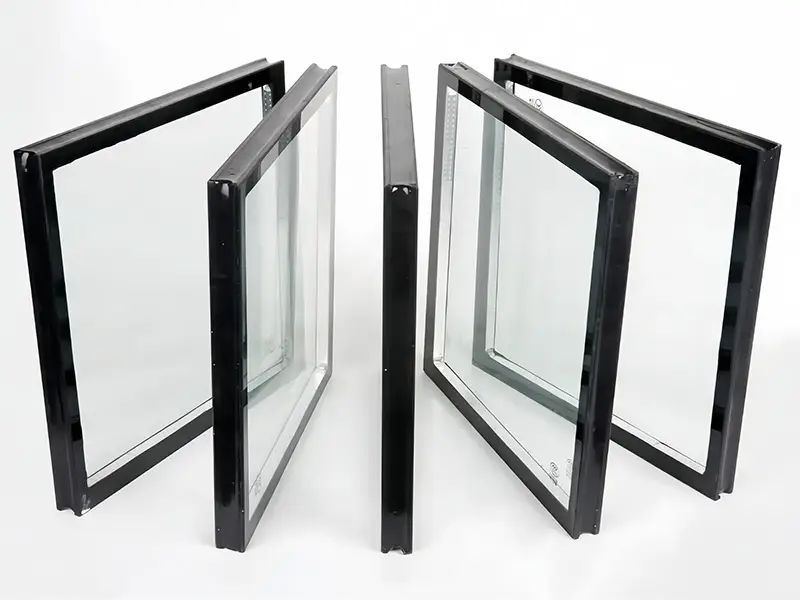
Moreover, both flat and curved tempered glass can help enhance energy efficiency. By incorporating insulating properties or low-emissivity (Low-E) coatings, these glass types can assist in regulating indoor temperatures, leading to reduced energy consumption and cost savings.
**Conclusion**
In summary, flat and curved tempered glass are versatile materials that cater to diverse architectural needs. Their unique properties not only enhance the aesthetic appeal of a space but also ensure safety and energy efficiency. As more architects and designers recognize the benefits of these materials, their popularity in the construction industry is likely to continue to grow. By understanding the specific applications and advantages of flat and curved tempered glass, professionals can make informed decisions that align with their project goals.
**Flat Tempered Glass**
Flat tempered glass is commonly used in a wide range of applications, from windows and doors to facades and glass partitions. Its clarity and transparency provide an unobstructed view, enhancing natural light in interior spaces. This type of glass can also be treated with various coatings to improve energy efficiency or reduce glare. Additionally, flat tempered glass is often used in furniture design, such as tabletops and shelves, where both aesthetics and safety are paramount.
**Curved Tempered Glass**
Curved tempered glass, on the other hand, brings a dynamic element to design. It is shaped through a process that involves heating the glass and then bending it to the desired curvature. This type of glass is frequently utilized in architectural features like skylights, curved facades, and decorative installations. The ability to create fluid shapes allows architects and designers to push the boundaries of creativity, resulting in visually stunning structures that stand out.
**Benefits of Using Tempered Glass**
One of the most significant advantages of using flat and curved tempered glass is its safety features. In the event of breakage, tempered glass shatters into small, blunt pieces, reducing the risk of injury. This makes it an ideal choice for high-traffic areas and public spaces where safety is a concern.
Moreover, both flat and curved tempered glass can help enhance energy efficiency. By incorporating insulating properties or low-emissivity (Low-E) coatings, these glass types can assist in regulating indoor temperatures, leading to reduced energy consumption and cost savings.
**Conclusion**
In summary, flat and curved tempered glass are versatile materials that cater to diverse architectural needs. Their unique properties not only enhance the aesthetic appeal of a space but also ensure safety and energy efficiency. As more architects and designers recognize the benefits of these materials, their popularity in the construction industry is likely to continue to grow. By understanding the specific applications and advantages of flat and curved tempered glass, professionals can make informed decisions that align with their project goals.
TAG:
Related Posts

Exploring the Unique Qualities of Oil Jade Frosted Glass in Architectural Design
Oil jade frosted glass is becoming increasingly popular in the realm of architectural design and decorative materials. This type of glass is characterized by its unique frosted finish that mimics the serene and elegant appearance of jade, providing a sophisticated touch to any space. Architects and designers are drawn to oil jade frosted glass due to its versatility and ability to blend seamlessly

MESSAGES
We will contact you within one working day. Please pay attention to your email.