Colorful Glass Art: Merging Functionality with Aesthetics in Architectural Design
2026-03-06

Colorful Glass Art: Merging Functionality with Aesthetics in Architectural Design
Table of Contents
1. Introduction to Colorful Glass Art
2. History of Glass Art in Architecture
3. Techniques Used in Colorful Glass Art
4. Functional Aspects of Glass Art in Architecture
5. Aesthetic Values of Colorful Glass Art
6. Applications of Colorful Glass Art in Modern Architecture
Colorful Glass Art: Merging Functionality with Aesthetics in Architectural Design
Table of Contents
- 1. Introduction to Colorful Glass Art
- 2. History of Glass Art in Architecture
- 3. Techniques Used in Colorful Glass Art
- 4. Functional Aspects of Glass Art in Architecture
- 5. Aesthetic Values of Colorful Glass Art
- 6. Applications of Colorful Glass Art in Modern Architecture
- 7. Case Studies: Successful Implementations of Glass Art
- 8. Future Trends in Colorful Glass Art
- 9. Frequently Asked Questions
- 10. Conclusion
1. Introduction to Colorful Glass Art
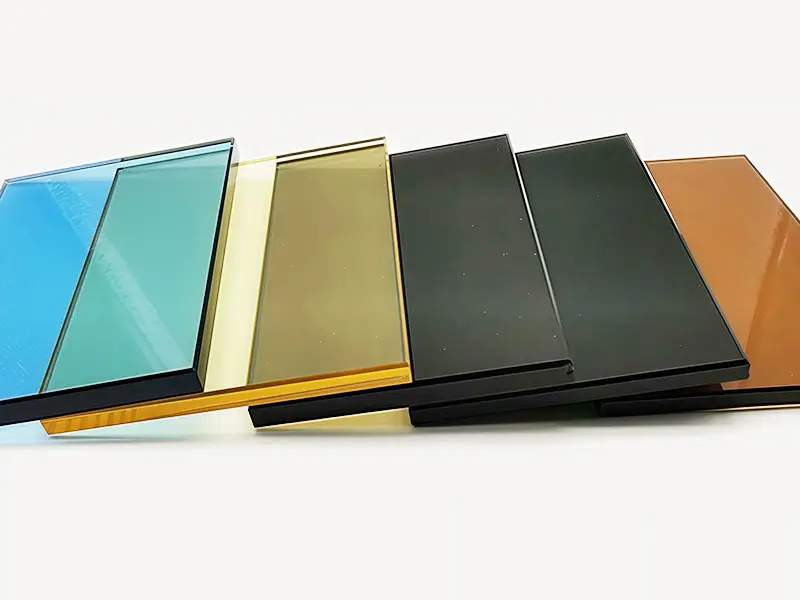
Colorful glass art has emerged as a powerful medium in architectural design, where it combines **functionality** and **aesthetics** in a seamless manner. This unique form of artistry goes beyond mere decoration; it serves practical purposes while enriching the visual experience within a space. Glass art can transform ordinary architectural elements into captivating focal points, reflecting light and color in dynamic ways.
In this article, we will explore how colorful glass art merges functionality with aesthetics, providing a detailed look at its history, techniques, applications, and future trends.
2. History of Glass Art in Architecture
The use of glass in architecture dates back thousands of years, with ancient civilizations utilizing it for both practical and decorative purposes. From the stained glass windows of medieval cathedrals to the modern glass facades of skyscrapers, glass art has evolved significantly over time.
The Evolution of Glass Art Techniques
Initially, glass was primarily used for its transparency and durability. However, as techniques advanced, artists began to experiment with color, texture, and form. The introduction of stained glass during the Gothic period showcased how color could be used to tell stories and evoke emotions. Today, glass art incorporates various techniques, such as fusing, casting, blowing, and engraving, allowing for endless creativity and innovation.
3. Techniques Used in Colorful Glass Art
A variety of techniques contribute to the creation of colorful glass art, each offering unique visual effects and applications.
Glass Blowing
Glass blowing is a traditional technique that involves inflating molten glass into a bubble, which can be shaped into various forms. This technique allows artists to create both functional and sculptural pieces, showcasing vibrant colors and intricate patterns.
Glass Fusing
In glass fusing, pieces of glass are layered and heated together until they melt and bond. This method allows for the incorporation of multiple colors and textures, resulting in stunning artworks that can be used as decorative panels or architectural elements.
Stained Glass
Stained glass remains a beloved technique, often seen in churches and historical buildings. It involves cutting colored glass into shapes and assembling them within a frame. The interplay of light through stained glass creates a magical ambiance, making it a popular choice for both traditional and contemporary designs.
4. Functional Aspects of Glass Art in Architecture
Colorful glass art is not just about looks; it serves multiple functional purposes in architecture.
Natural Light Enhancement
One of the primary functions of glass art is to enhance natural light within a space. By incorporating colorful glass panels or windows, architects can allow sunlight to filter through while adding a splash of color to interiors.
Energy Efficiency
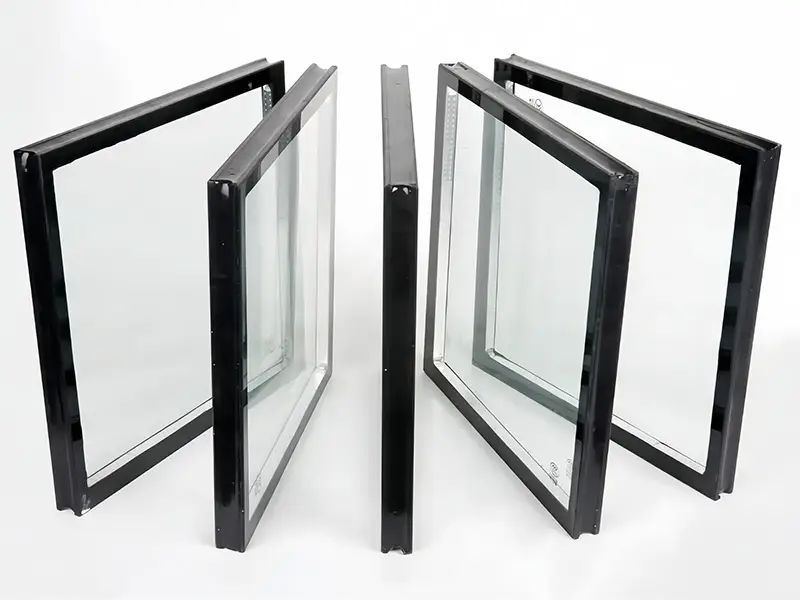
Modern glass art techniques often include energy-efficient solutions, such as insulated glass and low-emissivity coatings. These innovations help regulate indoor temperatures, reducing reliance on artificial heating and cooling systems.
Sound Insulation
Certain types of glass art can also provide sound insulation, making them ideal for urban environments where noise levels can be high. Laminated glass, for example, can effectively dampen sound, creating a more serene indoor atmosphere.
5. Aesthetic Values of Colorful Glass Art
The aesthetic appeal of colorful glass art is undeniable, offering a plethora of visual experiences.
Color and Light Interaction
Colorful glass art interacts uniquely with light, creating an ever-changing display of colors throughout the day. This dynamic relationship enhances the emotional impact of a space, making it more inviting and lively.
Customization
Glass art can be tailored to suit specific design requirements, whether through custom colors, patterns, or shapes. This level of customization allows architects and designers to reflect the personality and brand of a building.
Timeless Elegance
The elegance of colorful glass art transcends trends, making it a timeless choice for both classic and contemporary architecture. Its ability to blend with various styles ensures its relevance across different design eras.
6. Applications of Colorful Glass Art in Modern Architecture
Colorful glass art finds applications in various architectural elements, enhancing both interiors and exteriors.
Windows and Facades
Glass art can be used in windows and facades to create striking visual statements. From large glass walls that bring the outdoors in to intricate glass screens that provide privacy while allowing light, the possibilities are endless.
Partitions and Room Dividers
In interior design, colorful glass art serves as an effective partition solution, allowing for the creation of distinct spaces without compromising the flow of light. These partitions can be designed to add color and vibrancy to otherwise bland environments.
Decorative Elements
Colorful glass art can also be incorporated into furniture, lighting fixtures, and decor. These elements add character and creativity, making spaces feel unique and personalized.
7. Case Studies: Successful Implementations of Glass Art
Examining successful case studies helps illustrate the effective use of colorful glass art in architecture.
The Glass House by Philip Johnson
Philip Johnson’s Glass House in New Canaan, Connecticut, is a hallmark of modern architecture. The extensive use of glass creates a seamless connection between the interior and exterior, emphasizing the beauty of the surrounding landscape.
The Crystal Cathedral
The Crystal Cathedral in California showcases the use of colored glass in a religious setting. Its stunning stained glass windows depict biblical scenes, allowing natural light to fill the space with vibrant colors.
8. Future Trends in Colorful Glass Art
As technology advances, so do the possibilities for colorful glass art in architecture.
Smart Glass Technologies
Emerging smart glass technologies allow for dynamic control of transparency and opacity, enabling interactive experiences within architectural spaces. This innovative approach adds a new layer of functionality to glass art.
Eco-Friendly Materials
Sustainability is becoming increasingly important in architecture. Future trends may include the use of recycled glass and eco-friendly production methods, ensuring that colorful glass art aligns with green building practices.
9. Frequently Asked Questions
What is colorful glass art?
Colorful glass art refers to the use of colored glass in various artistic expressions, particularly in architectural design, where it serves both aesthetic and functional purposes.
How is colorful glass art created?
Techniques such as glass blowing, fusing, and stained glass are commonly used to create colorful glass art, each offering unique visual effects.
What are the benefits of using colorful glass art in architecture?
Colorful glass art enhances natural light, contributes to energy efficiency, provides sound insulation, and serves as an aesthetic focal point in design.
Can colorful glass art be customized?
Yes, colorful glass art can be customized in terms of color, pattern, and shape to meet specific design needs and preferences.
What are some notable examples of colorful glass art in architecture?
Notable examples include the Glass House by Philip Johnson and the Crystal Cathedral, both showcasing the beauty and functionality of colorful glass art.
10. Conclusion
Colorful glass art stands as a testament to the harmonious blend of functionality and aesthetics in architectural design. Its rich history, diverse techniques, and multifaceted applications contribute to its enduring appeal. As we look to the future, the integration of innovative technologies and sustainable practices will further enhance the role of colorful glass art in architecture, ensuring it remains a vibrant and essential component of design. Embracing this unique medium not only enriches our built environments but also fosters a deeper appreciation for the beauty and creativity that glass art brings to our lives.
TAG:
Related Posts

Exploring the Unique Qualities of Oil Jade Frosted Glass in Architectural Design
Oil jade frosted glass is becoming increasingly popular in the realm of architectural design and decorative materials. This type of glass is characterized by its unique frosted finish that mimics the serene and elegant appearance of jade, providing a sophisticated touch to any space. Architects and designers are drawn to oil jade frosted glass due to its versatility and ability to blend seamlessly

MESSAGES
We will contact you within one working day. Please pay attention to your email.