
Understanding Louvered Glass: Innovative Solutions for Modern Architecture
2026-04-08

Louvered glass is a specialized form of glazing that incorporates adjustable slats or blades, allowing for controlled airflow and light penetration while maintaining privacy. This innovative architectural feature is particularly valuable in modern building designs, where flexibility and adaptability are increasingly sought after. Here, we will explore the unique aspects of louvered glass, its vari
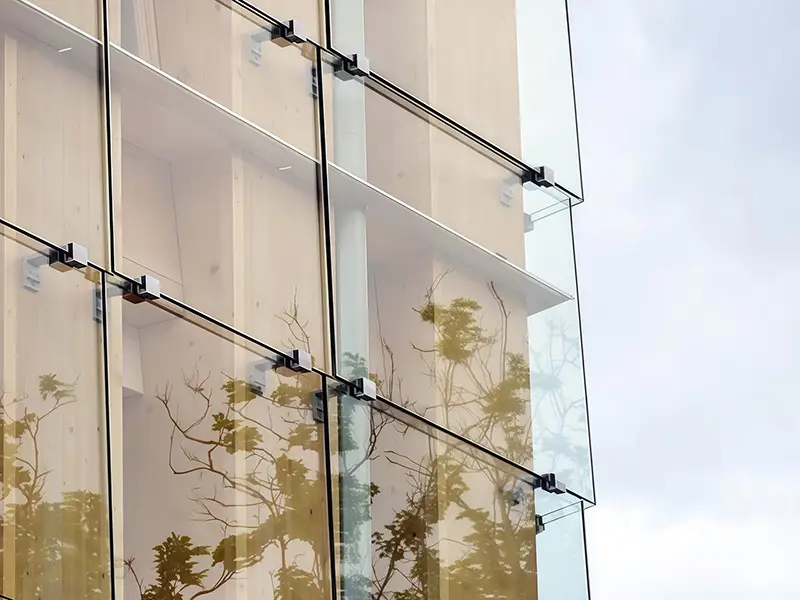
Louvered glass is a specialized form of glazing that incorporates adjustable slats or blades, allowing for controlled airflow and light penetration while maintaining privacy. This innovative architectural feature is particularly valuable in modern building designs, where flexibility and adaptability are increasingly sought after. Here, we will explore the unique aspects of louvered glass, its various applications, and its benefits in contemporary architecture.
One of the primary advantages of louvered glass is its ability to enhance natural ventilation. By adjusting the angle of the slats, occupants can regulate airflow, promoting energy efficiency and improving indoor air quality. This feature is especially advantageous in regions with varying climates, where temperature control is essential for comfort. The ability to customize ventilation also contributes to the sustainability of buildings, reducing reliance on mechanical cooling systems.
In addition to its functional benefits, louvered glass creates visually striking architectural elements. The integration of louvered glass can elevate the aesthetic appeal of a structure, providing a modern touch that aligns with contemporary design trends. Architects and designers can use louvered glass in facades, skylights, and partitions, allowing for a seamless blend of form and function. The play of light and shadow created by the adjustable slats can enhance the ambiance of any space, making it a popular choice for both residential and commercial projects.
Moreover, louvered glass offers increased privacy without compromising light. The strategic placement and orientation of the slats can obscure views from outside while allowing natural light to filter through. This makes louvered glass particularly suitable for applications in urban environments, where privacy is often at a premium.
When considering the installation of louvered glass, it is crucial to engage with experienced professionals who understand the specific requirements and structural implications of integrating such systems into a building. Factors such as orientation, material selection, and local building codes must be carefully evaluated to ensure optimal performance and compliance.
In conclusion, louvered glass presents an exciting opportunity for architects and builders looking to enhance the functionality and aesthetic of their projects. Its unique characteristics make it a valuable addition to modern architecture, offering benefits that align with current trends in sustainability, design, and user experience. By incorporating louvered glass into building designs, professionals can create spaces that are not only visually appealing but also conducive to a comfortable and environmentally friendly living or working environment.
One of the primary advantages of louvered glass is its ability to enhance natural ventilation. By adjusting the angle of the slats, occupants can regulate airflow, promoting energy efficiency and improving indoor air quality. This feature is especially advantageous in regions with varying climates, where temperature control is essential for comfort. The ability to customize ventilation also contributes to the sustainability of buildings, reducing reliance on mechanical cooling systems.
In addition to its functional benefits, louvered glass creates visually striking architectural elements. The integration of louvered glass can elevate the aesthetic appeal of a structure, providing a modern touch that aligns with contemporary design trends. Architects and designers can use louvered glass in facades, skylights, and partitions, allowing for a seamless blend of form and function. The play of light and shadow created by the adjustable slats can enhance the ambiance of any space, making it a popular choice for both residential and commercial projects.
Moreover, louvered glass offers increased privacy without compromising light. The strategic placement and orientation of the slats can obscure views from outside while allowing natural light to filter through. This makes louvered glass particularly suitable for applications in urban environments, where privacy is often at a premium.
When considering the installation of louvered glass, it is crucial to engage with experienced professionals who understand the specific requirements and structural implications of integrating such systems into a building. Factors such as orientation, material selection, and local building codes must be carefully evaluated to ensure optimal performance and compliance.
In conclusion, louvered glass presents an exciting opportunity for architects and builders looking to enhance the functionality and aesthetic of their projects. Its unique characteristics make it a valuable addition to modern architecture, offering benefits that align with current trends in sustainability, design, and user experience. By incorporating louvered glass into building designs, professionals can create spaces that are not only visually appealing but also conducive to a comfortable and environmentally friendly living or working environment.
TAG:
Previous
Related Posts

Understanding Louvered Glass: Innovative Solutions for Modern Architecture
Louvered glass is a specialized form of glazing that incorporates adjustable slats or blades, allowing for controlled airflow and light penetration while maintaining privacy. This innovative architectural feature is particularly valuable in modern building designs, where flexibility and adaptability are increasingly sought after. Here, we will explore the unique aspects of louvered glass, its vari


MESSAGES
We will contact you within one working day. Please pay attention to your email.