Colorful Glass in Sustainable Architecture: A Perfect Match
2026-06-04

Colorful Glass in Sustainable Architecture: A Perfect Match
Introduction to Colorful Glass in Architecture
Colorful glass has emerged as a significant element in sustainable architecture, transforming not just the physical spaces we inhabit but also influencing our emotional connection to the built environment. This vibrant material allows architects and designers to create stunning visual effects
Colorful Glass in Sustainable Architecture: A Perfect Match
Introduction to Colorful Glass in Architecture
Colorful glass has emerged as a significant element in sustainable architecture, transforming not just the physical spaces we inhabit but also influencing our emotional connection to the built environment. This vibrant material allows architects and designers to create stunning visual effects while also contributing to energy efficiency and environmental sustainability. As we explore the nexus of color, light, and sustainability, it becomes evident that colorful glass is more than just a design choice; it’s a sustainable solution.
Table of Contents
1. The Role of Colorful Glass in Sustainable Architecture
2. Benefits of Using Colorful Glass
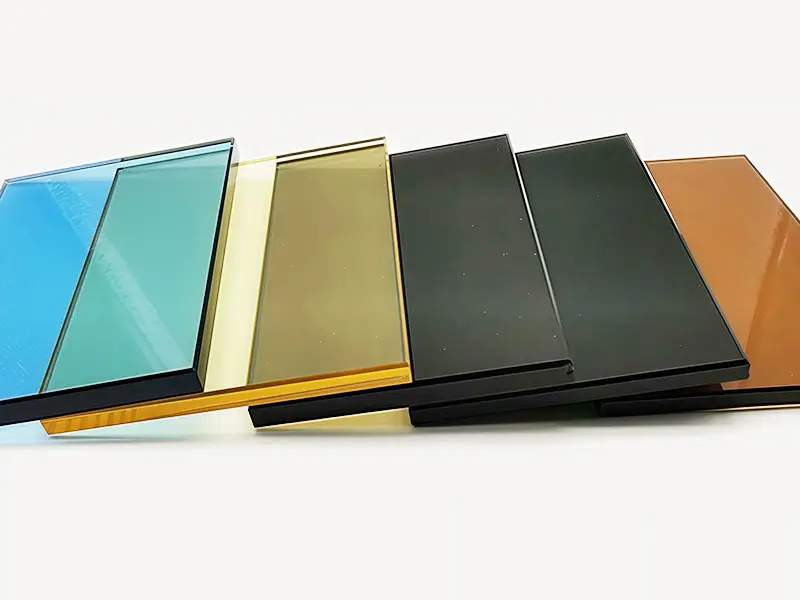
3. Different Types of Colorful Glass
4. Innovative Uses of Colorful Glass in Sustainable Design
4.1. Facades and Curtain Walls
4.2. Interior Spaces and Partitions
4.3. Skylights and Daylighting
5. Eco-Friendly Manufacturing Processes for Colorful Glass
6. Case Studies: Successful Projects Utilizing Colorful Glass
7. Future Trends in Colorful Glass and Sustainable Architecture
8. Conclusion
9. FAQs
The Role of Colorful Glass in Sustainable Architecture
Incorporating colorful glass into architectural designs serves multiple purposes. Architecturally, it enhances visual appeal, adding a layer of complexity and creativity to structures. Furthermore, colorful glass plays a pivotal role in sustainability by promoting natural light and reducing the need for artificial lighting. This not only cuts energy costs but also creates healthier, more inviting spaces.
Benefits of Using Colorful Glass
The advantages of colorful glass in sustainable architecture are manifold:
1. Energy Efficiency
Colorful glass can help regulate temperature within buildings. By using specific colors and coatings, it can reduce heat gain in warmer months and minimize heat loss during the colder months. This leads to significant energy savings and contributes to lower emissions.
2. Aesthetic Appeal
The vibrancy of colorful glass adds character and uniqueness to architectural designs. It allows for artistic expression and makes buildings stand out in their surroundings. Colorful glass installations can transform mundane structures into stunning works of art.
3. Natural Lighting
One of the key advantages of integrating colorful glass is its ability to harness and enhance natural light. Effective use of colored glass can create dynamic lighting effects, reducing reliance on artificial light sources. This not only cuts down on energy usage but also improves the mood and productivity of occupants.
Different Types of Colorful Glass
Colorful glass comes in various forms, each offering unique benefits and applications in sustainable architecture.
1. Stained Glass
Traditionally used in churches and historic buildings, stained glass is now being reimagined for modern architecture. Its ability to diffuse light in vibrant colors makes it suitable for both decorative and functional uses.
2. Laminated Glass
This type of glass combines multiple layers, which can include colored films. Laminated glass is strong and safe, making it ideal for high-traffic areas while offering varied aesthetic options.
3. Colored Coated Glass
Manufacturers can apply coatings to glass during production, allowing for a diverse range of colors and finishes. This type of glass is often used in facades and curtain walls.
Innovative Uses of Colorful Glass in Sustainable Design
Architects are finding new and exciting ways to incorporate colorful glass into their designs, further promoting sustainability and aesthetics.
4.1. Facades and Curtain Walls
Colorful glass facades can dramatically alter the appearance of buildings, creating a vibrant, engaging exterior. Additionally, they serve to improve thermal performance by reflecting harmful UV rays while allowing natural light to enter.
4.2. Interior Spaces and Partitions
Using colorful glass partitions in offices and public buildings creates dynamic interior environments. These partitions can enhance privacy while allowing light to flow through, making spaces feel larger and more open.
4.3. Skylights and Daylighting
Skylights made from colorful glass serve both functional and aesthetic purposes. They bring in natural light, reduce energy costs, and create captivating interior features by casting colored light onto surfaces.
Eco-Friendly Manufacturing Processes for Colorful Glass
Sustainability doesn't stop at the design phase; it extends to the manufacturing processes employed to create colorful glass. Many manufacturers are adopting eco-friendly practices that minimize waste and reduce energy consumption.
1. Recycled Materials
Utilizing recycled glass reduces the need for raw materials and lowers the energy consumption associated with glass production. This practice not only conserves resources but also decreases greenhouse gas emissions.
2. Energy-Efficient Production Techniques
Advanced technologies are being developed that allow for more efficient energy use in glass manufacturing. This includes using renewable energy sources and optimizing processes to minimize electrical consumption.
Case Studies: Successful Projects Utilizing Colorful Glass
Analyzing successful projects can provide insight into how colorful glass is effectively utilized in sustainable architecture.
1. The Crystal Bridges Museum of American Art
Located in Bentonville, Arkansas, this museum incorporates colorful glass to create an engaging visitor experience while blending seamlessly with the surrounding natural landscape. The glass panels reflect light beautifully throughout the day, enhancing the museum's aesthetic appeal.
2. The Eden Project
This iconic project in the UK features colorful glass biomes that house diverse plant species from around the globe. The glass structures efficiently utilize natural light, allowing for a sustainable and energy-efficient environment that supports plant growth.
Future Trends in Colorful Glass and Sustainable Architecture
As technology advances and environmental concerns grow, the future of colorful glass in sustainable architecture is promising. Emerging trends include:
1. Smart Glass Technologies
Smart glass systems can change transparency and color in response to environmental factors, enhancing energy efficiency while providing dynamic aesthetics.
2. Integrating Biophilic Design
As sustainability and wellness increasingly intersect, the integration of colorful glass in biophilic designs will foster connections with nature, enhancing occupant wellbeing.
3. Customizable Glass Solutions
Advancements in manufacturing will allow for more personalized and customizable glass solutions, enabling architects to create unique designs that reflect individual client preferences while maintaining sustainability.
Conclusion
Colorful glass represents a harmonious blend of aesthetics and sustainability in modern architecture. As architects and designers continue to push the boundaries of what is possible, the applications and benefits of colorful glass will only grow more profound. Embracing this vibrant material not only enhances the artistic value of buildings but also contributes significantly to energy efficiency and environmental stewardship. By understanding its potential, we can harness the power of colorful glass to create architectural masterpieces that are as sustainable as they are beautiful.
FAQs
1. What is colorful glass?
Colorful glass refers to glass that has been tinted or treated to produce vibrant colors, often used in architectural applications for aesthetic and functional purposes.
2. How does colorful glass contribute to sustainability?
Colorful glass can enhance energy efficiency by regulating the temperature within buildings, reducing the need for artificial lighting, and utilizing eco-friendly manufacturing practices.
3. What are the different types of colorful glass?
Common types include stained glass, laminated glass, and colored coated glass, each offering unique benefits and applications in architecture.
4. Can colorful glass be used in residential buildings?
Absolutely! Colorful glass can be effectively used in residential designs, enhancing aesthetics while promoting natural light and energy efficiency.
5. What are some notable projects that utilize colorful glass?
Projects like the Crystal Bridges Museum and the Eden Project are prime examples of how colorful glass can be integrated into sustainable architecture, creating stunning and functional spaces.
TAG:
Related Posts

Exploring the Unique Qualities of Oil Jade Frosted Glass in Architectural Design
Oil jade frosted glass is becoming increasingly popular in the realm of architectural design and decorative materials. This type of glass is characterized by its unique frosted finish that mimics the serene and elegant appearance of jade, providing a sophisticated touch to any space. Architects and designers are drawn to oil jade frosted glass due to its versatility and ability to blend seamlessly

MESSAGES
We will contact you within one working day. Please pay attention to your email.