
Unlocking the Beauty and Functionality of Louvered Glass in Architectural Design
2026-03-09

Louvered glass is a unique architectural element that combines functionality and aesthetics, making it a compelling choice for modern buildings. Characterized by its slatted design, louvered glass allows for controlled light and ventilation while maintaining privacy and reducing glare. This feature makes it an attractive option for architects and designers looking to optimize both the interior and
Louvered glass is a unique architectural element that combines functionality and aesthetics, making it a compelling choice for modern buildings. Characterized by its slatted design, louvered glass allows for controlled light and ventilation while maintaining privacy and reducing glare. This feature makes it an attractive option for architects and designers looking to optimize both the interior and exterior spaces of a building.
One of the primary advantages of louvered glass is its ability to regulate natural light. The angled slats enable occupants to enjoy ambient daylight without the harshness of direct sun exposure. This not only creates a comfortable environment but also reduces reliance on artificial lighting, leading to energy savings. In an age where sustainability is crucial, louvered glass provides a practical solution for eco-conscious building projects.
Another significant benefit of louvered glass is its versatility in design. It can be used in a variety of applications, from storefronts and office buildings to residential properties and outdoor spaces. The customizable nature of louvered glass allows architects to adapt it to different styles, whether sleek and modern or traditional and ornate. This flexibility makes it an exceptionally valuable material in the realm of architectural and decorative design.
In addition to light regulation, louvered glass enhances ventilation. The design allows for airflow while maintaining a barrier against the elements. This feature is particularly beneficial in climates where cross-ventilation can aid in cooling indoor spaces. By integrating louvered glass into building designs, architects can create healthier living and working environments that contribute to overall well-being.
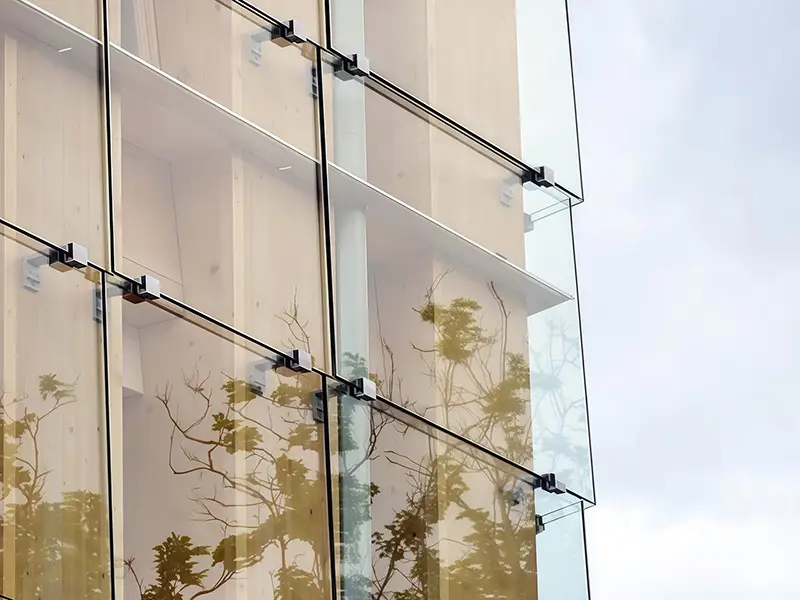
Aesthetic appeal is another critical aspect of louvered glass. The interplay of light and shadow created by the slats can add a dynamic quality to a building's facade. When used strategically, louvered glass can serve as a focal point or complement other design elements, enhancing the overall visual impact. This capability makes it a favorite among designers looking to push the boundaries of traditional architecture.
When considering louvered glass for your next project, it's essential to collaborate with experienced manufacturers and designers who understand the nuances of this material. Whether aiming for energy efficiency, aesthetic appeal, or functional versatility, louvered glass can be tailored to meet specific project goals.
In conclusion, louvered glass stands out as a remarkable option in the architectural and decorative materials industry. With its ability to balance light, air, and privacy, coupled with its aesthetic versatility, it presents a wealth of opportunities for innovative designers. Embracing louvered glass could be the key to unlocking a new realm of architectural creativity and sustainability.
One of the primary advantages of louvered glass is its ability to regulate natural light. The angled slats enable occupants to enjoy ambient daylight without the harshness of direct sun exposure. This not only creates a comfortable environment but also reduces reliance on artificial lighting, leading to energy savings. In an age where sustainability is crucial, louvered glass provides a practical solution for eco-conscious building projects.
Another significant benefit of louvered glass is its versatility in design. It can be used in a variety of applications, from storefronts and office buildings to residential properties and outdoor spaces. The customizable nature of louvered glass allows architects to adapt it to different styles, whether sleek and modern or traditional and ornate. This flexibility makes it an exceptionally valuable material in the realm of architectural and decorative design.
In addition to light regulation, louvered glass enhances ventilation. The design allows for airflow while maintaining a barrier against the elements. This feature is particularly beneficial in climates where cross-ventilation can aid in cooling indoor spaces. By integrating louvered glass into building designs, architects can create healthier living and working environments that contribute to overall well-being.
Aesthetic appeal is another critical aspect of louvered glass. The interplay of light and shadow created by the slats can add a dynamic quality to a building's facade. When used strategically, louvered glass can serve as a focal point or complement other design elements, enhancing the overall visual impact. This capability makes it a favorite among designers looking to push the boundaries of traditional architecture.
When considering louvered glass for your next project, it's essential to collaborate with experienced manufacturers and designers who understand the nuances of this material. Whether aiming for energy efficiency, aesthetic appeal, or functional versatility, louvered glass can be tailored to meet specific project goals.
In conclusion, louvered glass stands out as a remarkable option in the architectural and decorative materials industry. With its ability to balance light, air, and privacy, coupled with its aesthetic versatility, it presents a wealth of opportunities for innovative designers. Embracing louvered glass could be the key to unlocking a new realm of architectural creativity and sustainability.
TAG:
Previous
Related Posts

Unlocking the Beauty and Functionality of Louvered Glass in Architectural Design
Louvered glass is a unique architectural element that combines functionality and aesthetics, making it a compelling choice for modern buildings. Characterized by its slatted design, louvered glass allows for controlled light and ventilation while maintaining privacy and reducing glare. This feature makes it an attractive option for architects and designers looking to optimize both the interior and


MESSAGES
We will contact you within one working day. Please pay attention to your email.