
Understanding Louvered Glass: A Versatile Solution for Modern Architecture
2026-06-07

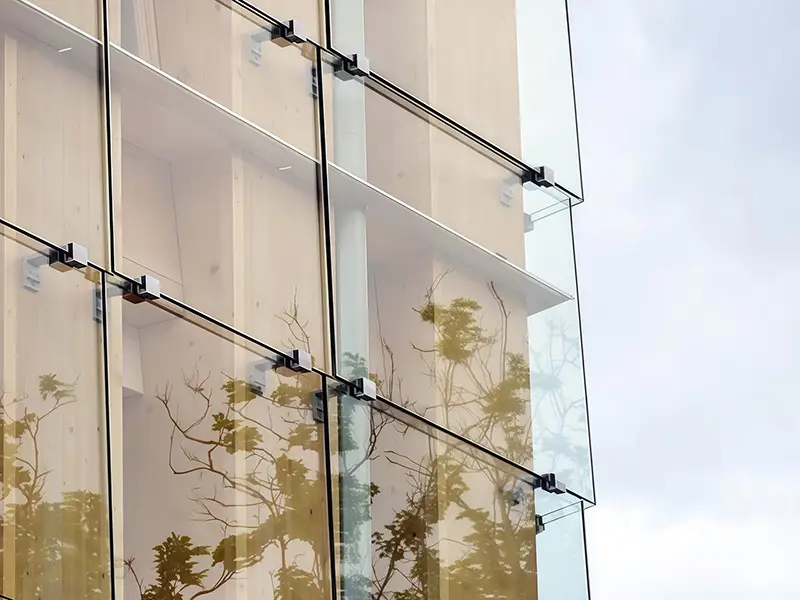
Louvered glass is a type of architectural glass that incorporates slats or blades, allowing for enhanced airflow, light control, and privacy without sacrificing views. This unique design feature is increasingly popular in commercial and residential buildings, offering a blend of functionality and style. The slats can be fixed or operable, depending on the desired level of ventilation and control,
Louvered glass is a type of architectural glass that incorporates slats or blades, allowing for enhanced airflow, light control, and privacy without sacrificing views. This unique design feature is increasingly popular in commercial and residential buildings, offering a blend of functionality and style. The slats can be fixed or operable, depending on the desired level of ventilation and control, making louvered glass an adaptable solution for various environments.
One of the primary advantages of louvered glass is its ability to improve energy efficiency. By allowing natural light to penetrate while minimizing direct sunlight, louvered glass can help reduce reliance on artificial lighting, lowering energy consumption. Additionally, the ventilation capabilities facilitate airflow, which can help regulate indoor temperatures and enhance occupant comfort. This is particularly important in climates where temperature fluctuations can significantly impact energy usage.
In terms of design, louvered glass provides architects and designers with a versatile material that can be tailored to fit the aesthetic of any project. The glass can be treated or coated to achieve different levels of transparency, reflectivity, and color, allowing for creative expressions that align with the overall architectural vision. Furthermore, louvered glass can be integrated into various building types, from office towers to residential homes, providing an eye-catching façade that enhances curb appeal.
Another significant aspect of louvered glass is its potential for increased privacy. The angled slats can obscure views from the outside while still allowing natural light to filter through, making it an ideal choice for spaces where privacy is a concern, such as bathrooms or conference rooms. This feature offers a balance between openness and seclusion, catering to the needs of both occupants and designers.
When considering louvered glass for a project, it’s essential to work with experienced professionals who can ensure proper installation and maintenance. Properly installed louvered glass not only enhances a building's aesthetics but also contributes to its long-term performance and durability.
In conclusion, louvered glass represents a forward-thinking approach in the realm of architectural materials, combining functionality with design flexibility. As sustainable building practices continue to gain importance, integrating louvered glass into future projects can yield significant benefits for both the environment and the end-users. Whether you are looking to enhance energy efficiency, improve privacy, or simply add visual interest to a building, louvered glass is an option worth considering.
One of the primary advantages of louvered glass is its ability to improve energy efficiency. By allowing natural light to penetrate while minimizing direct sunlight, louvered glass can help reduce reliance on artificial lighting, lowering energy consumption. Additionally, the ventilation capabilities facilitate airflow, which can help regulate indoor temperatures and enhance occupant comfort. This is particularly important in climates where temperature fluctuations can significantly impact energy usage.
In terms of design, louvered glass provides architects and designers with a versatile material that can be tailored to fit the aesthetic of any project. The glass can be treated or coated to achieve different levels of transparency, reflectivity, and color, allowing for creative expressions that align with the overall architectural vision. Furthermore, louvered glass can be integrated into various building types, from office towers to residential homes, providing an eye-catching façade that enhances curb appeal.
Another significant aspect of louvered glass is its potential for increased privacy. The angled slats can obscure views from the outside while still allowing natural light to filter through, making it an ideal choice for spaces where privacy is a concern, such as bathrooms or conference rooms. This feature offers a balance between openness and seclusion, catering to the needs of both occupants and designers.
When considering louvered glass for a project, it’s essential to work with experienced professionals who can ensure proper installation and maintenance. Properly installed louvered glass not only enhances a building's aesthetics but also contributes to its long-term performance and durability.
In conclusion, louvered glass represents a forward-thinking approach in the realm of architectural materials, combining functionality with design flexibility. As sustainable building practices continue to gain importance, integrating louvered glass into future projects can yield significant benefits for both the environment and the end-users. Whether you are looking to enhance energy efficiency, improve privacy, or simply add visual interest to a building, louvered glass is an option worth considering.
TAG:
Previous:
Related Posts

Understanding Louvered Glass: A Versatile Solution for Modern Architecture
Louvered glass is a type of architectural glass that incorporates slats or blades, allowing for enhanced airflow, light control, and privacy without sacrificing views. This unique design feature is increasingly popular in commercial and residential buildings, offering a blend of functionality and style. The slats can be fixed or operable, depending on the desired level of ventilation and control,


MESSAGES
We will contact you within one working day. Please pay attention to your email.